In the dynamic hospitality landscape of 2026, the average guest experience is no longer sufficient. Industry data shows that 78% of travelers prioritize unique design and experiential elements when choosing accommodation, a significant leap from just 55% five years ago. This shift means that generic, off-the-shelf furniture is increasingly becoming a liability, not an asset. For hotel owners, developers, and designers, the strategic investment in custom made commercial furniture is no longer a niche preference; it is a fundamental differentiator that directly impacts guest satisfaction, operational efficiency, and ultimately, return on investment.

What Separates Outstanding Hotel Projects from Average Ones
The distinction between a truly memorable hotel project and one that simply occupies space often boils down to a single, critical factor: intentionality in design and execution. While budget constraints and tight timelines are universal challenges in Hospitality FF&E Procurement, exceptional projects demonstrate a profound understanding that furniture is not merely decor, but an integral part of the building’s infrastructure and guest journey. Average projects view furniture as an afterthought, selected from catalogs based on immediate cost. Outstanding projects, however, leverage custom made commercial furniture as a strategic tool to embody brand identity, optimize space, and ensure long-term durability. They recognize that every piece, from a lobby console to a guestroom nightstand, contributes to the overall narrative and functionality, demanding a bespoke approach that standard offerings simply cannot match. This foresight mitigates costly replacements, ensures aesthetic coherence, and delivers a superior guest experience that commands higher rates and fosters loyalty.
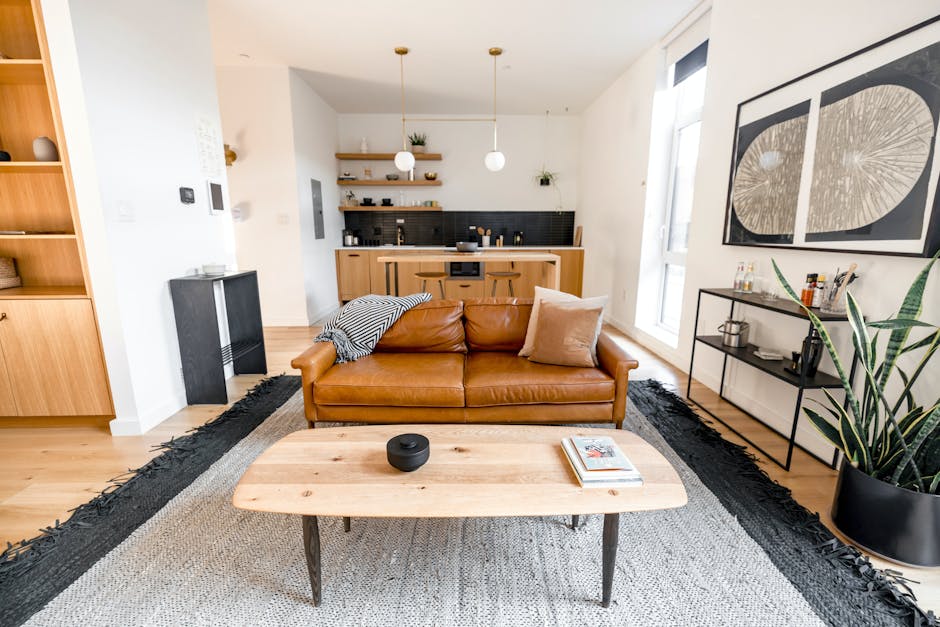
Learn more about guide to hotel furniture manufacturers.
Learn more about project success stories.
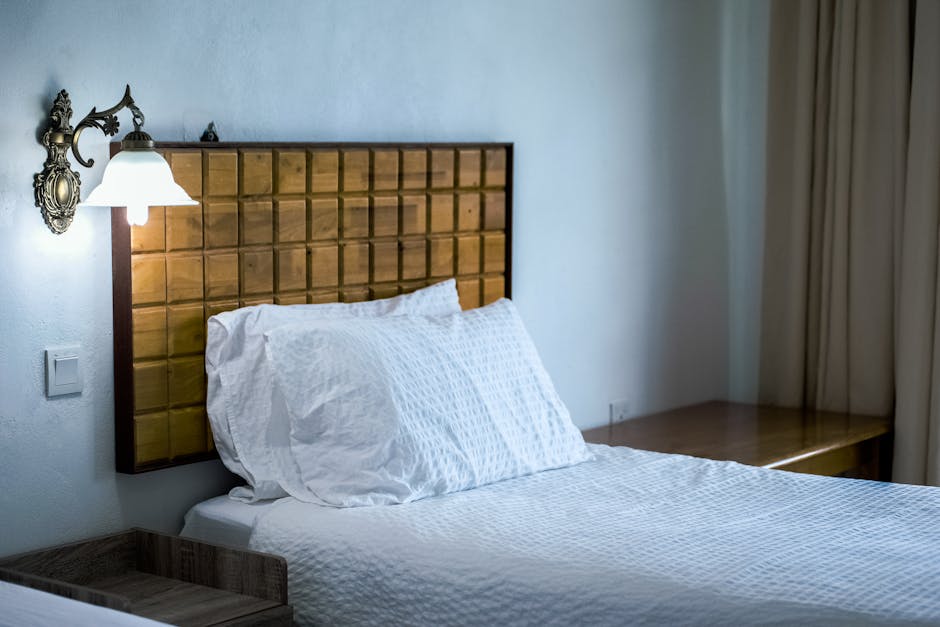
Learn more about one-stop solution for furniture manufacturing.
Key Insight #1 — Strategic Material Selection & Engineering for Longevity in Custom Made Commercial Furniture
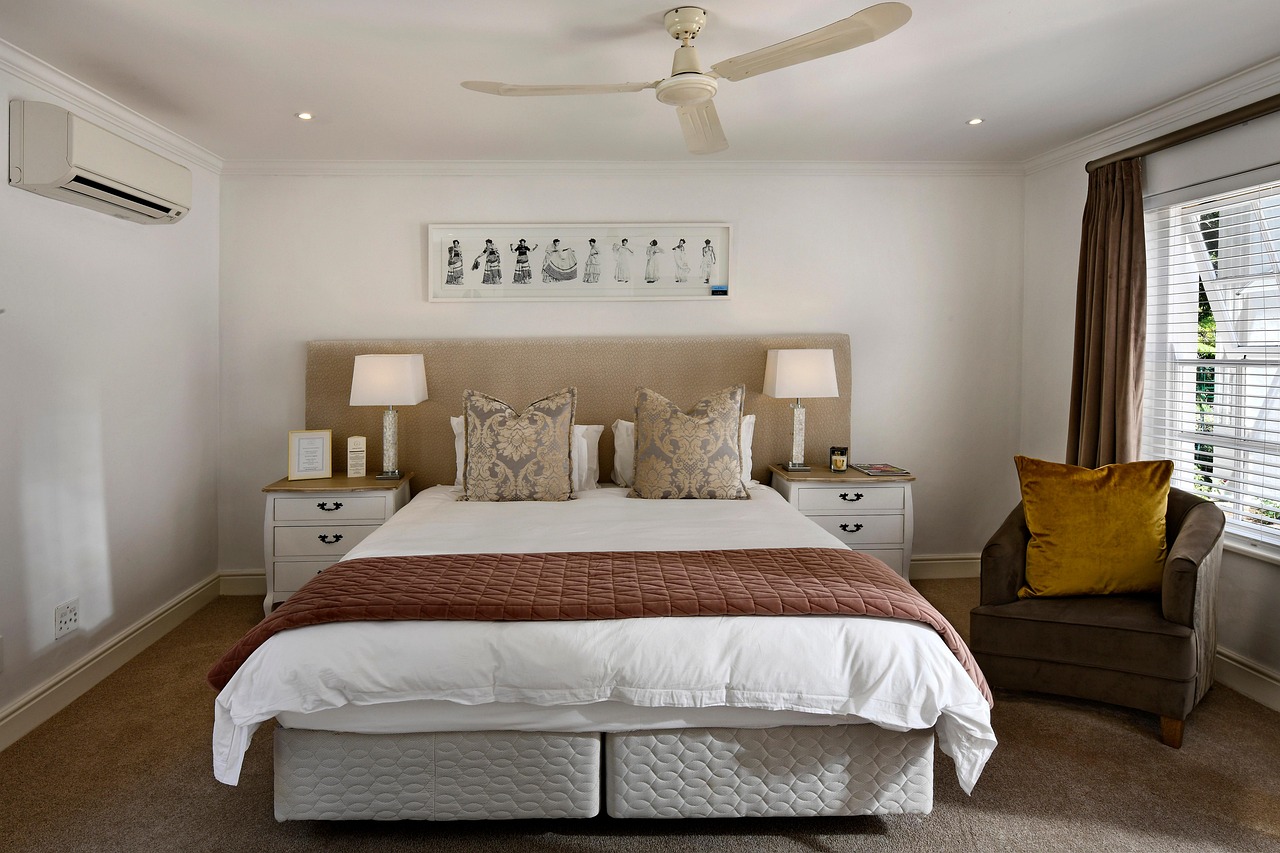
The foundation of any enduring hotel furniture project lies in an informed approach to material specification and robust engineering. For custom made commercial furniture, this isn’t about selecting the most expensive option, but the most appropriate one for the specific environmental demands and projected usage. Consider a hotel in a coastal region: raw metals will quickly corrode due to salt air and humidity. An outstanding project would specify marine-grade stainless steel or brass components treated with anodizing and salt-spray resistant coatings, alongside moisture-resistant substrates for casegoods. For high-traffic areas, solid wood elements might feature specialized UV-resistant and thermal-stabilizing coatings to prevent warping or cracking under direct sunlight, especially for large, unsupported surfaces like floating desks. Similarly, upholstery in guest rooms must stand up to rigorous cleaning protocols and constant guest turnover. Specifying high-performance fabrics with a Martindale abrasion rating exceeding 50,000 rubs, coupled with inherent stain-resistant and fire-retardant properties, ensures longevity and reduces replacement cycles. The hidden structural integrity is equally vital. For instance, a cantilevered desk requires an internal steel frame anchored directly into wall studs, not just superficial screws, demanding precise engineering coordination during the shop drawing phase. This level of detail, often invisible to the casual observer, is what truly defines Commercial-Grade Furniture Solutions and protects your investment over a decade.
Key Insight #2 — Precision in Timeline Planning & Integrated Project Management
One of the most frequent pitfalls in hotel development is underestimating the lead times and complexities inherent in sourcing Bespoke Contract Furniture. Unlike residential projects, the scale and customization involved in hospitality demand a meticulous, integrated approach to timeline planning. Outstanding projects recognize that furniture procurement is not a linear process but a dynamic ecosystem requiring constant coordination across multiple stakeholders: architects, interior designers, general contractors, and the furniture manufacturer. A common scenario involves design changes late in the process, which can introduce significant delays and cost overruns if not managed proactively. Effective project management begins with establishing a detailed FF&E schedule early in the planning stages, allocating realistic timelines for design approval, sample production, manufacturing, logistics, and installation. This includes factoring in potential shipping delays for international projects or unexpected material sourcing challenges. Leveraging a manufacturer with robust in-house project management capabilities, including dedicated account managers who provide real-time updates and facilitate communication, is paramount. This proactive approach ensures that critical path items, such as long-lead custom made commercial furniture pieces, are identified and prioritized, preventing bottlenecks that can derail an entire opening schedule.
Key Insight #3 — The Power of a Holistic Manufacturer Partnership
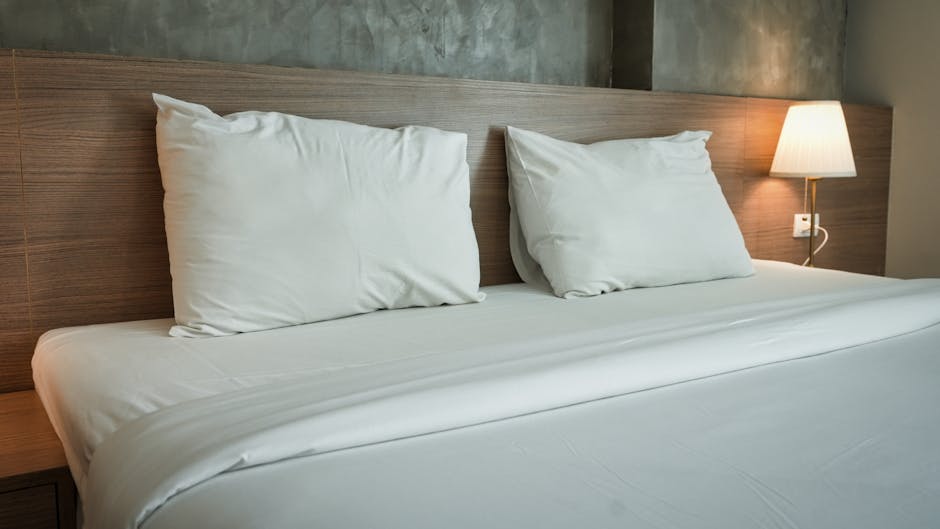
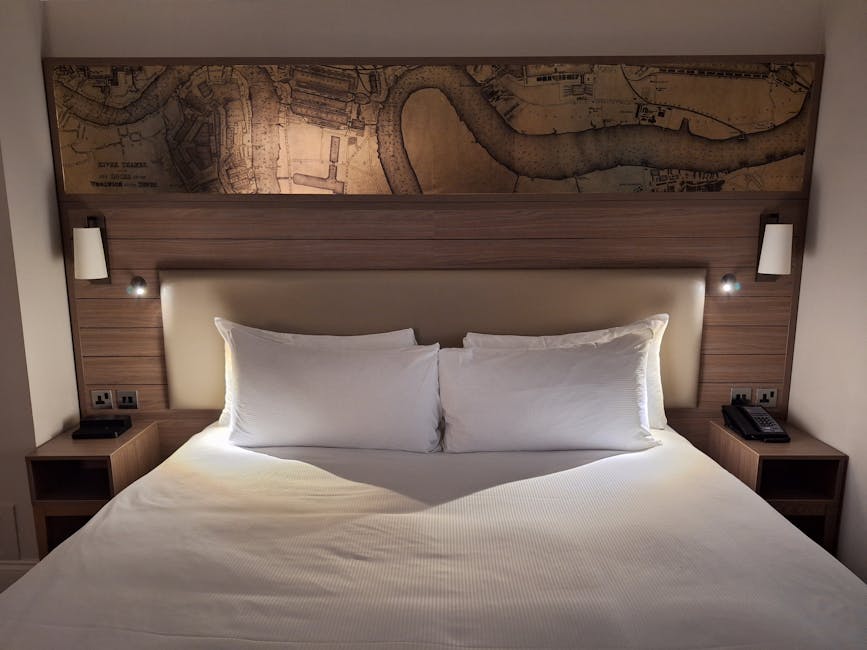
The most successful hotel projects don’t merely purchase furniture; they forge strategic partnerships with manufacturers who offer a comprehensive, integrated solution. This goes beyond just manufacturing. A truly holistic partner provides expertise from early-stage planning and design consultation through to manufacturing, logistics, and even installation oversight. For instance, a professional in-house design team can translate conceptual aesthetics into production-ready specifications, ensuring that the visual intent is maintained while adhering to commercial durability standards and budget parameters. They understand that a guestroom’s integrated headboard system, which incorporates lighting controls and charging ports, requires millimeter-precise coordination with electrical plans – a level of integration that few standard suppliers can manage. Furthermore, a manufacturer offering OEM/ODM services and factory-direct pricing provides a direct line to production, allowing for greater customization flexibility and cost efficiency without compromising quality. This comprehensive approach, a hallmark of companies like Zhobai Hotel Furniture, streamlines communication, reduces the risk of misinterpretation between design and production, and provides a single point of accountability throughout the entire project lifecycle. This ensures that every piece of custom made commercial furniture aligns perfectly with the project’s vision and operational demands.
Common Mistakes Hotel Buyers Make (and How to Avoid Them)
Even experienced Hospitality FF&E Procurement teams can fall prey to common pitfalls when sourcing custom made commercial furniture. Recognizing these can save millions and prevent significant operational headaches.
-
Mistake 1: Prioritizing Upfront Cost Over Lifecycle Value
Many buyers focus solely on the initial purchase price, overlooking the total cost of ownership. Cheaply made furniture, while appealing initially, often leads to premature wear, frequent repairs, and early replacement. This escalates long-term expenses and negatively impacts guest perception. To avoid this, demand detailed specifications on materials (e.g., wood substrate density, veneer thickness, hardware brand, fabric Martindale rating) and understand warranty terms. Request physical samples and visit production facilities if possible.
-
Mistake 2: Neglecting Commercial-Grade Durability Standards
Residential furniture, no matter how aesthetically pleasing, is not designed for the rigors of a commercial environment. Using it in a hotel will inevitably lead to structural failures, upholstery breakdown, and finish degradation. Ensure that your specifications align with established hospitality standards for impact resistance, stability, and fire retardancy. A reputable Hotel Casegoods Manufacturer will readily provide certifications (CE, ISO, SGS, FDA) and technical data sheets confirming their adherence to these standards for all Bespoke Contract Furniture.
-
Mistake 3: Insufficient Communication with Manufacturers
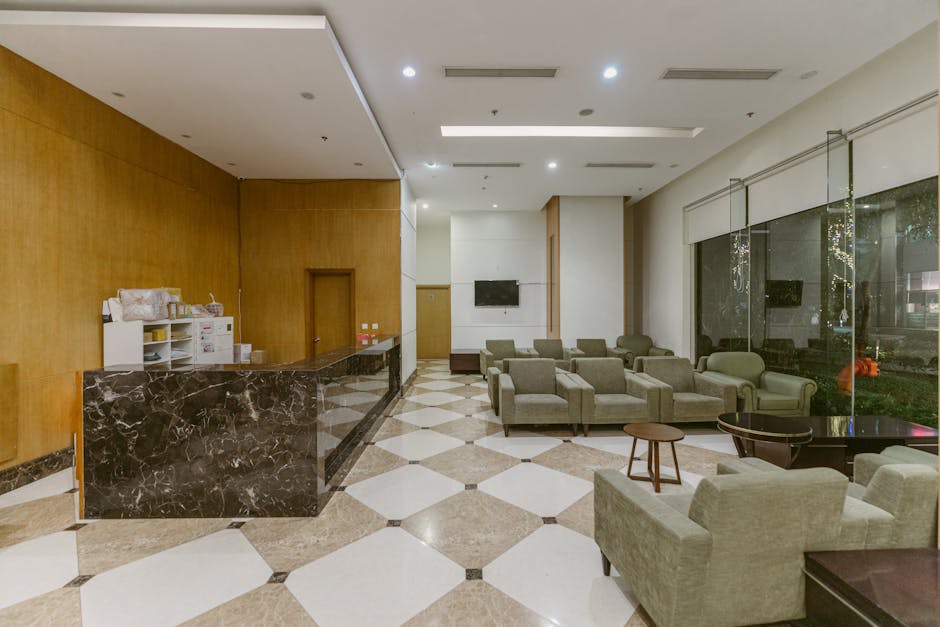
Vague design briefs or delayed feedback during the sample approval stage are recipes for disaster. Misinterpretations lead to costly rework and project delays. Proactively share detailed design intent, material preferences, and performance requirements. Establish clear communication channels and review shop drawings and prototypes meticulously. A manufacturer who provides a dedicated project manager fosters better communication and alignment.
-
Mistake 4: Underestimating Logistics and Installation Complexity
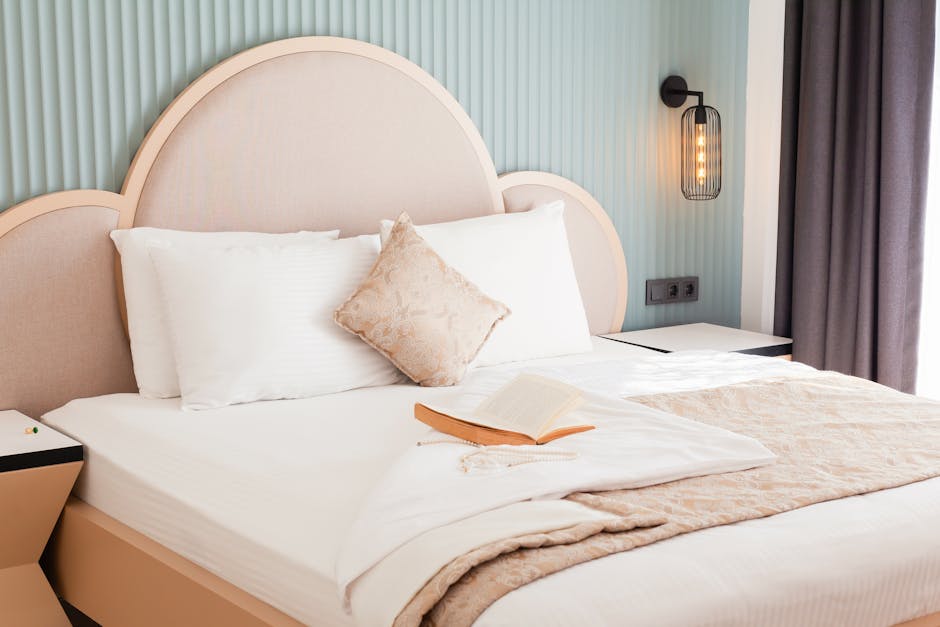
The journey of custom made commercial furniture from factory floor to guestroom is intricate. Overlooking customs clearance, local delivery challenges, or on-site assembly requirements can lead to significant delays and budget overruns. Partner with a manufacturer who has proven global logistics experience and can provide comprehensive solutions, including white-glove installation services. This minimizes damage risks and ensures timely project completion.
How to Apply These Principles to Your Next Project
Integrating these insights into your next hotel project involves a structured, proactive approach:
-
Define Your Vision with Precision:
Before engaging suppliers, articulate your design intent, brand story, and performance expectations for every furniture piece. Create detailed mood boards, functional briefs, and preliminary material palettes. This clarity will guide your selection of a suitable Hotel Casegoods Manufacturer and streamline the entire process.
-
Prioritize Durability & Engineering:
Move beyond aesthetics alone. For each item of Commercial-Grade Furniture Solutions, specify not just the look, but the structural integrity, material treatments (e.g., moisture resistance, anti-corrosion), and expected lifespan. Challenge suppliers to provide technical justifications for their material choices and construction methods.
-
Establish a Comprehensive Project Timeline:
Work backward from your opening date. Allocate realistic lead times for design, prototyping, manufacturing, shipping, customs, and installation. Build in buffer periods for unforeseen circumstances. Demand a transparent production schedule from your chosen partner.
-
Vet Manufacturers Thoroughly:
Look for manufacturers with a proven track record in custom hospitality projects, relevant certifications (CE, ISO, SGS, FDA), and strong references. Assess their in-house design capabilities, project management processes, and global logistics expertise. Their ability to provide a one-stop solution is a strong indicator of reliability and efficiency.
-
Engage Early and Communicate Continuously:
Bring your chosen manufacturer into the design conversation as early as possible. Their engineering and production insights can optimize designs for cost, durability, and manufacturability before costly errors occur. Maintain open and frequent communication throughout every phase of the project.
The landscape of hospitality demands not just furniture, but meticulously crafted solutions that elevate the guest experience and withstand the rigors of commercial use for years. The strategic sourcing of custom made commercial furniture is a complex endeavor, requiring an expert partner who understands both design intent and manufacturing realities. At Zhobai Hotel Furniture, with over 15 years of specialized experience in 5-star hotels, resorts, and boutique properties worldwide, we embody these principles. Our one-stop solution covers everything from early-stage planning and in-house design to manufacturing, logistics, and installation, ensuring seamless execution. We leverage our deep expertise and global certifications to deliver tailored spaces that exceed expectations, focusing on engineering longevity and aesthetic integrity. We invite you to discuss your next project with our team. Let us show you how a true manufacturing partnership can transform your vision into a lasting reality.