A common, yet costly, oversight in hotel development or renovation is treating the lobby as merely a transactional space, rather than a dynamic revenue-generating asset. Many procurement managers rush the hotel lobby furniture layout plan, prioritizing initial cost savings or aesthetic trends over long-term durability, functional adaptability, and guest flow. This often results in furniture that quickly wears, impedes traffic, fails to support diverse guest needs, and necessitates premature replacement within 3-5 years. The true cost isn’t just the replacement budget; it’s the cumulative loss of potential F&B revenue, reduced guest satisfaction scores, and the erosion of brand perception, which can collectively amount to hundreds of thousands of dollars over the lifecycle of the property.
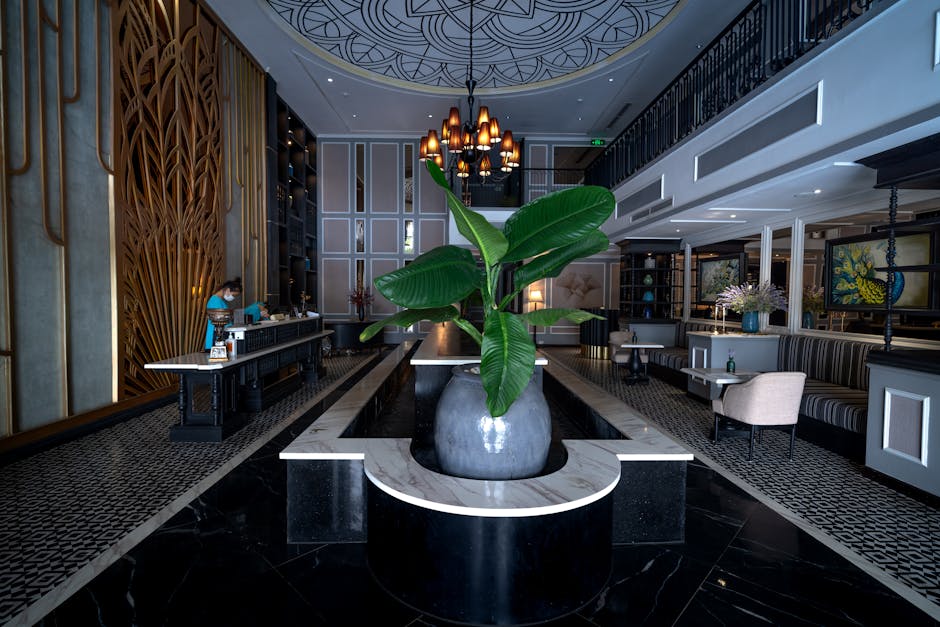
The Real Cost of Getting Hotel Lobby Furniture Layout Plan Wrong
An ineffective hotel lobby furniture layout plan extends far beyond aesthetics; it directly impacts your bottom line and operational efficiency. Consider a scenario where an undersized reception desk creates bottlenecks during peak check-in, leading to guest frustration and longer wait times. Each minute a guest waits can translate to a measurable drop in their overall satisfaction, potentially affecting review scores and repeat bookings. Studies in 2026 show that a single point drop in online review scores can correlate with a 3-5% decrease in occupancy rates for some properties.
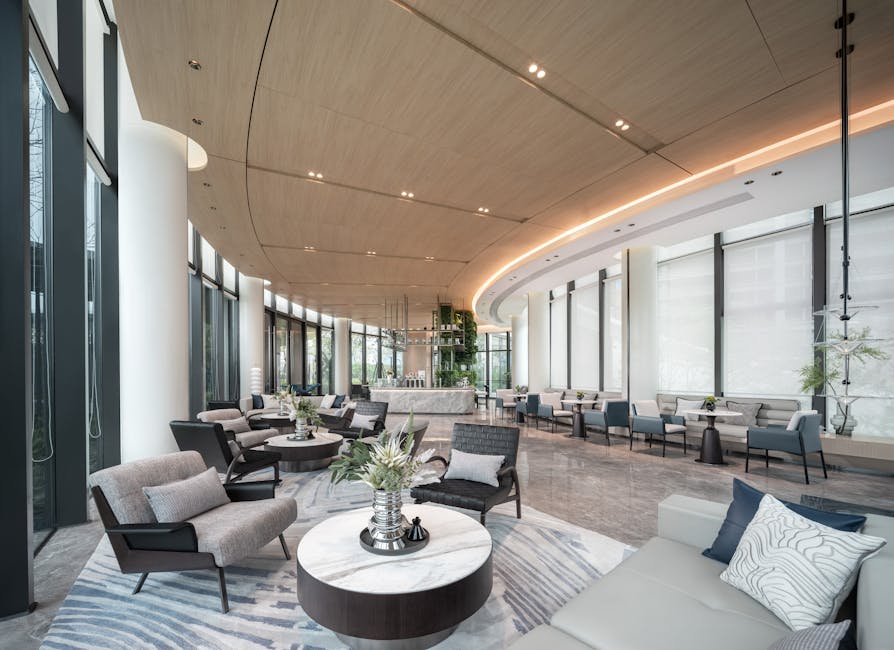
Learn more about 5-star hotel furniture projects.
Furthermore, poor furniture choices or an ill-conceived commercial reception area furniture layout can stifle ancillary revenue opportunities. If seating areas are uncomfortable, poorly lit, or lack power outlets, guests are less likely to linger, order drinks, or utilize co-working spaces. This directly impacts potential sales from a lobby bar, café, or retail kiosk. Over a five-year period, a mid-sized boutique hotel could easily lose $50,000 to $100,000 in missed revenue from such underutilized spaces, alongside the $20,000-$40,000 cost of premature furniture replacement due to inadequate material selection or construction.
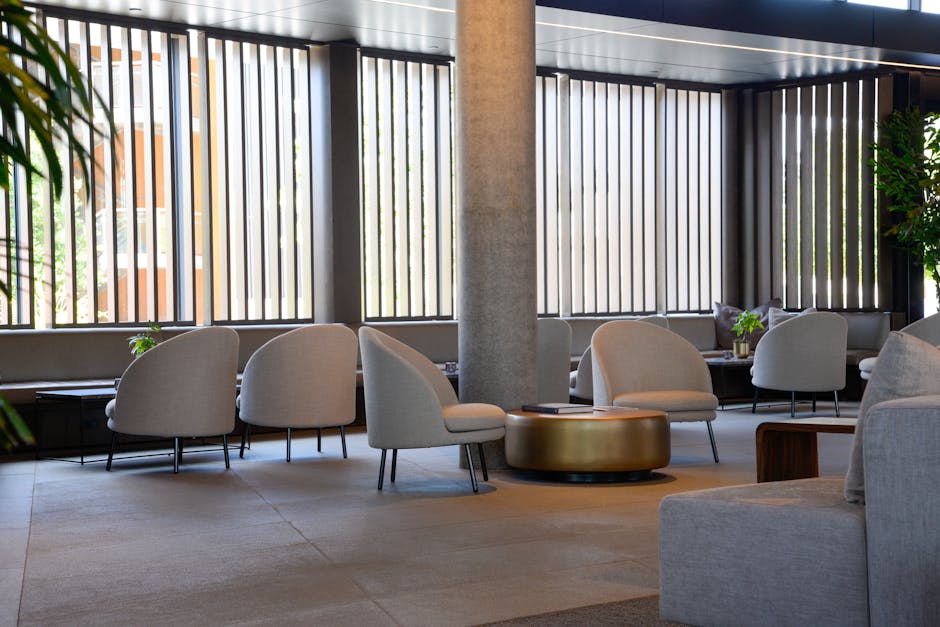
The Decision Framework — What to Evaluate Before You Choose
Before committing to any supplier, a robust decision framework is essential. Evaluating your needs against a set of practical criteria ensures your investment yields long-term value and enhances the guest experience. This is where strategic hotel lobby space planning guidelines become critical for informed decisions.
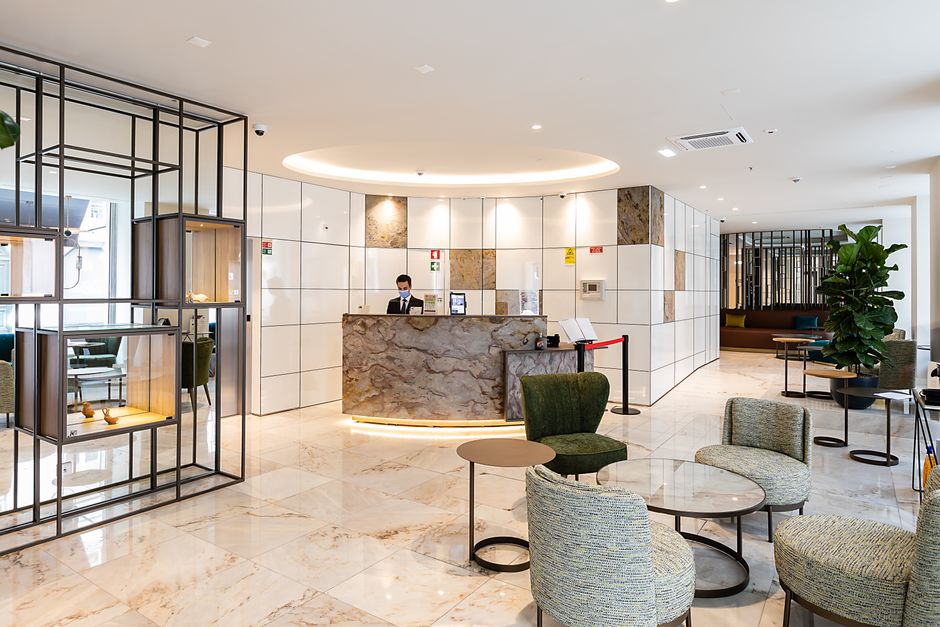
1. Functional Adaptability and Zoning
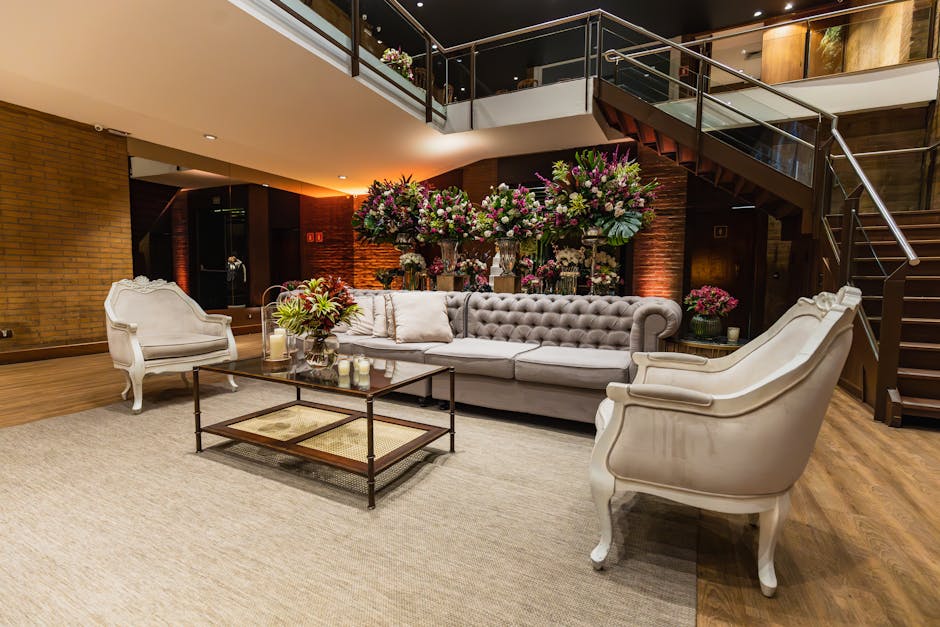
Your lobby must serve multiple purposes throughout the day. Consider how the space will transition from a bustling morning check-out zone to a relaxed afternoon co-working hub, and then to an evening social area. Does your proposed furniture allow for this flexibility? A truly effective hotel lobby furniture layout plan incorporates distinct zones for reception, casual lounging, focused work, and even small group meetings. Modular seating plan for hotel lobbies can be particularly effective here, allowing reconfiguration as needs change. For example, moveable ottomans or lightweight side tables provide flexibility for guests to adapt their personal space.
2. Durability and Material Specification
Hospitality furniture endures significantly higher traffic and wear than residential pieces. Specifying robust materials and construction methods is non-negotiable. Look for solid hardwood frames, commercial-grade upholstery fabrics (e.g., Martindale abrasion test results above 50,000 rubs), and high-density foam cushions (e.g., 2.2-2.5 lb/ft³). Stainless steel components should be 304-grade for corrosion resistance. Neglecting this leads to rapid deterioration, requiring expensive repairs or early replacement, often within 2-3 years instead of the expected 7-10 years. A thorough hospitality lobby furniture specification will outline these details.
3. Aesthetic Integration and Brand Identity
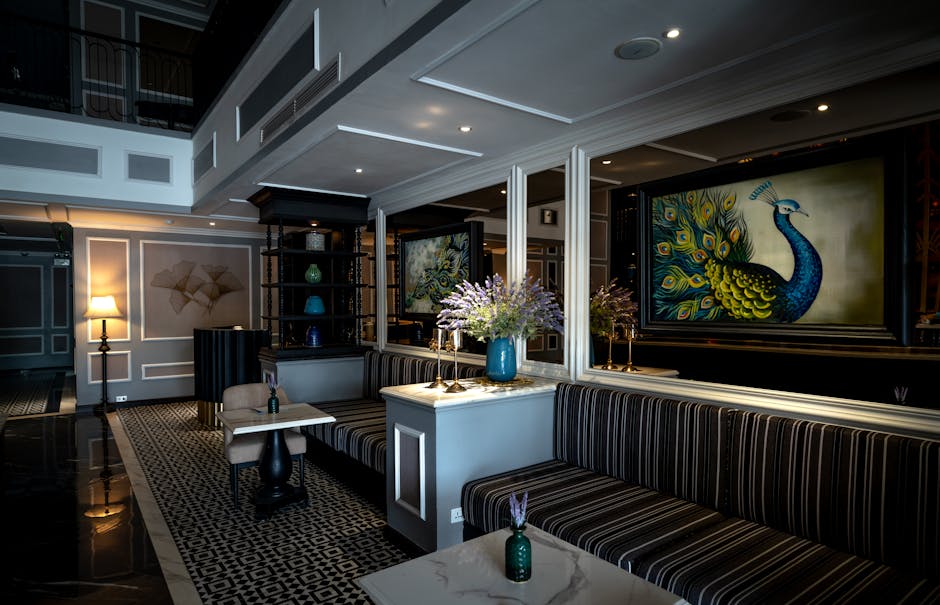
The lobby is the first physical manifestation of your brand. Does the furniture’s design, color palette, and texture align with your hotel’s narrative and target demographic? A contemporary urban hotel will require different aesthetics than a beachfront resort. Consistency reinforces your brand identity and creates a cohesive, memorable guest journey. custom furniture solutions allow for precise alignment with your unique vision, ensuring your lobby makes the intended statement.
4. Ergonomics and Guest Comfort
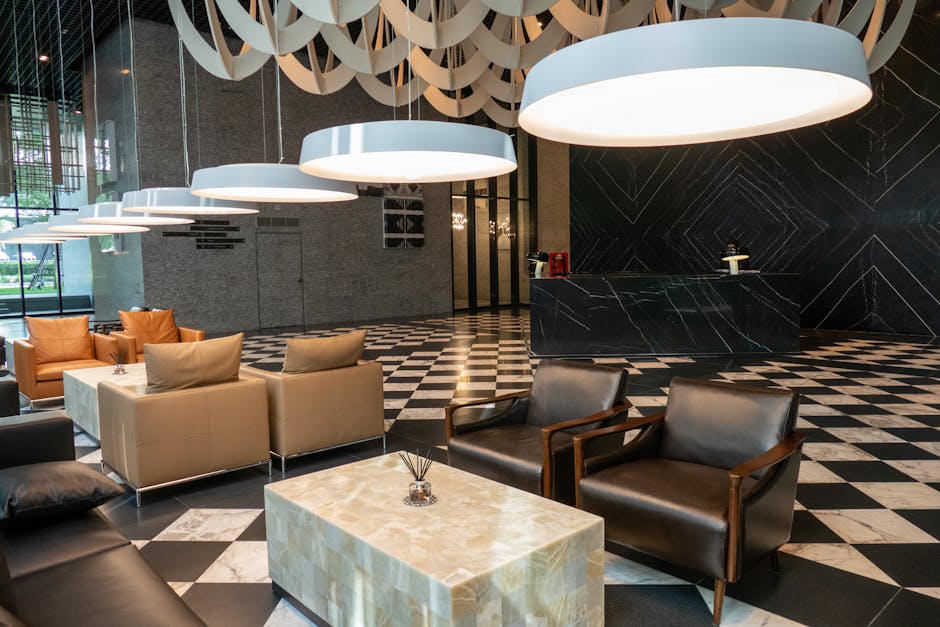
Comfort directly correlates with guest satisfaction and their willingness to spend time in the lobby. Seating must accommodate various body types and activities, from a quick coffee to an extended work session. Consider seat depth, back support angles, and armrest height. Are there accessible power outlets integrated or conveniently located near seating? An uncomfortable chair, even if visually appealing, will be avoided, rendering it a wasted investment.
5. Maintenance and Longevity
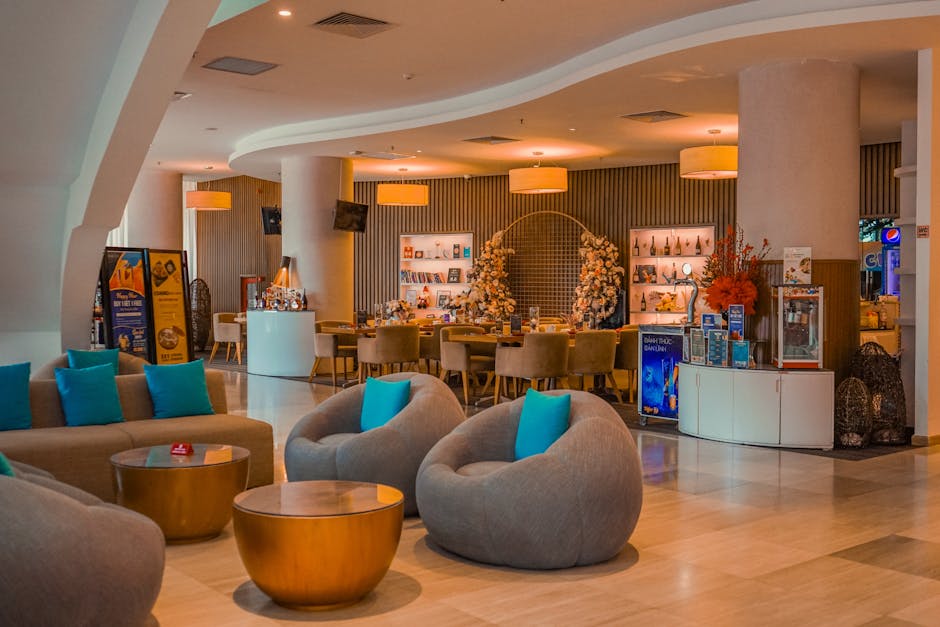
Ease of cleaning and long-term maintenance are critical for operational efficiency and appearance retention. Specify fabrics treated for stain resistance and frames designed for easy cleaning access. Furniture with removable, washable cushion covers can significantly extend its lifespan and maintain its appearance. Complex designs with intricate crevices or delicate finishes can become maintenance nightmares, quickly accumulating dirt and showing wear.
| Evaluation Criterion | Key Considerations for 2026 Projects | Impact of Poor Choice |
|---|---|---|
| Functional Adaptability | Modular components, multi-purpose zoning, integrated tech access | Underutilized space, guest dissatisfaction, missed revenue |
| Durability & Materials | Commercial-grade fabrics (>50k rubs), solid wood frames, 304 SS | Premature wear, frequent repairs, early replacement (2-3 yrs) |
| Aesthetic & Brand | Custom finishes, cohesive design language, unique brand elements | Confused brand identity, dated appearance, negative first impression |
| Ergonomics & Comfort | Varied seating types, proper support, accessible charging | Guests avoid space, poor reviews, reduced linger time |
| Maintenance & Longevity | Stain-resistant fabrics, easy-clean surfaces, replaceable parts | High operational costs, rapid decline in appearance, hygiene issues |
What Separates a Good Supplier from a Great One
Choosing the right manufacturing partner is as crucial as the furniture itself. A great supplier goes beyond simply delivering products; they act as a strategic extension of your project team. Zhobai Hotel Furniture, for instance, offers a one-stop solution from early-stage planning to installation, backed by 15+ years of experience in custom furniture.
Checklist for Supplier Vetting:
- Experience and Specialization: Do they specialize in hospitality FF&E, particularly for 5-star or boutique hotels? A supplier focused solely on residential furniture will lack the commercial-grade expertise needed for your hotel lobby furniture layout plan.
- Design Capabilities: Do they have a professional in-house design team capable of creating tailored spaces? This is vital for custom solutions, offering valuable input on aesthetics, functionality, and material selection.
- Manufacturing Control: Do they own their manufacturing facilities or primarily outsource? Direct control typically translates to better quality control, faster response times, and more competitive factory direct pricing.
- Certifications and Compliance: Are they certified (e.g., CE, ISO, SGS, FDA)? These indicate adherence to international quality, safety, and environmental standards. Ensure their products meet local building and fire codes for your project’s location.
- Project Management & Logistics: Can they manage the entire project lifecycle, including logistics, customs, and installation worldwide? A truly great partner streamlines this complex process, reducing your administrative burden and risk. Zhobai’s global export experience covers Europe, North America, Africa, and more.
- Warranty and After-Sales Support: What kind of warranty do they offer on their products and installation? A 3-5 year warranty on structural components is a reasonable expectation. Clear after-sales support protocols demonstrate commitment to long-term client satisfaction.
- Prototyping and Samples: Do they offer prototyping or material samples before full production? This allows for critical evaluation and adjustments, preventing costly errors down the line, especially for a complex commercial reception area furniture layout.
Red Flags and Non-Negotiables — When to Walk Away
Navigating the procurement landscape requires vigilance. Identifying red flags early can save your project from significant delays, budget overruns, and quality compromises. When sourcing a hotel lobby furniture layout plan, certain warning signs should prompt immediate reconsideration.
- Vague or Incomplete Proposals: A supplier providing a proposal without detailed specifications, material breakdowns, or clear lead times is a major red flag. Lack of transparency suggests a lack of process or an attempt to hide potential cost escalations. Insist on line-item details for materials, finishes, and construction methods.
- Unrealistic Timelines: Manufacturing custom hospitality furniture, especially for a large-scale project, takes time. Be wary of suppliers promising delivery in 4-6 weeks for complex orders when the industry standard for custom FF&E is typically 8-12 weeks for manufacturing alone, plus shipping. Unrealistic promises often lead to rushed production, quality issues, and missed deadlines.
- Lack of Project References or Portfolio: A reputable supplier should readily provide references from similar projects or a comprehensive portfolio showcasing their work, particularly for a specific hotel lobby space planning guidelines. If they are evasive or their portfolio seems generic, it’s a sign to proceed with caution.
- Insufficient Communication: Poor communication during the quoting phase is a strong indicator of future problems. If emails go unanswered for days, questions are sidestepped, or they fail to provide clear answers, imagine the challenges during production and delivery. A responsive, proactive communication style is a non-negotiable.
- Demanding 100% Upfront Payment: While an initial deposit (typically 30-50%) is standard for custom manufacturing, a supplier demanding full payment before production or shipment represents an unacceptable risk. This removes your leverage and exposes you to potential non-delivery or quality issues without recourse.
How Top Hotels Approach Hotel Lobby Furniture Layout Plan Differently
Leading hotel brands view their lobbies as dynamic brand showcases and profit centers, not just pass-through zones. Their approach to a hotel lobby furniture layout plan is strategic and data-driven.
Scenario 1: The Urban Boutique Hotel. A 4-star boutique hotel in a bustling city center, targeting young professionals and creatives, needed a lobby that transitioned seamlessly from co-working space to an evening social hub. Instead of traditional static sofas, they opted for a modular seating plan for hotel lobbies. They specified custom-designed, lightweight upholstered modules with integrated power outlets and USB ports. These pieces could be easily reconfigured by staff or guests into intimate conversation nooks or larger collaborative tables. The result? A 30% increase in average guest linger time and a 15% uplift in lobby bar sales within the first six months, directly attributable to the adaptable furniture and enhanced guest comfort. This smart commercial reception area furniture layout provided significant ROI.
Scenario 2: The Luxury Resort. A new build 5-star resort in a high-humidity coastal region prioritized longevity and a unique sense of place. For their hotel lobby furniture layout plan, they invested in custom pieces featuring solid teak frames, marine-grade stainless steel accents, and performance fabrics engineered to resist UV, salt, and mildew. Their hospitality lobby furniture specification included custom upholstery patterns reflecting local artistry. While the upfront investment was 15-20% higher than standard options, their furniture has maintained its pristine condition for five years without significant repairs, significantly reducing ongoing maintenance costs and preserving the initial design intent. This careful material selection minimized lifecycle costs.
Scenario 3: The Extended-Stay Property. This property understood its guests needed more than just a place to check in. Their lobby design focused on creating a ‘living room’ experience. They integrated larger, deeper lounge chairs and sofas, combined with a variety of small, movable side tables and floor lamps. A dedicated, semi-private zone with high-backed seating and acoustic panels allowed for quiet work or private conversations. This hotel lobby space planning guidelines approach recognized the diverse needs of long-term guests, fostering a sense of community and providing functional spaces beyond the guestroom.
Your Action Plan — Next Steps for Your Project
Transforming your hotel lobby furniture layout plan from concept to reality requires a structured approach. Follow these actionable steps to ensure a successful procurement process:
- Define Your Lobby’s Purpose & Zones: Clearly articulate the primary functions and desired guest experiences for each area of your lobby. Quantify expected traffic flow and activities (e.g., 20% check-in, 40% lounging, 30% F&B, 10% co-working).
- Develop Detailed Specifications: Work with your interior design team to create comprehensive hospitality lobby furniture specification documents. This should include material call-outs, dimensions, construction details, finish requirements, and performance standards (e.g., fabric rub counts, flame retardancy).
- Budget for Durability & Longevity: Allocate sufficient budget for commercial-grade materials and construction. Understand that a higher upfront investment in quality often translates to lower lifecycle costs and superior guest experience.
- Shortlist & Vet Suppliers Thoroughly: Identify 3-5 potential suppliers with proven hospitality FF&E experience. Use the checklist provided in this guide to conduct due diligence, requesting references, certifications, and detailed proposals.
- Request Prototypes & Samples: For critical or custom pieces, insist on seeing prototypes or material samples. This is your opportunity to physically evaluate quality, comfort, and aesthetic alignment before full production begins.
- Finalize Contracts with Clear SLAs: Ensure your contract includes specific delivery schedules, payment terms tied to milestones, quality assurance clauses, warranty details, and clear terms for dispute resolution.
- Plan for Logistics & Installation: Coordinate with your supplier for seamless logistics and professional installation. Confirm packaging, shipping methods, and on-site assembly requirements well in advance.
The success of your hotel project hinges significantly on the strategic execution of your hotel lobby furniture layout plan. It’s more than just buying furniture; it’s about investing in an experience, a brand statement, and a revenue driver. Partnering with an experienced manufacturer who understands these nuances is key. Zhobai Hotel Furniture is built around these exact principles, offering a consultative, one-stop solution from initial design concepts through to final installation. We collaborate closely with owners, developers, and designers to create tailored spaces that deliver on both aesthetic vision and long-term operational performance. Start a conversation with our team today to explore how our expertise can elevate your next project.