The 200-room boutique hotel, eagerly anticipated, opened three months behind schedule. The culprit? Not construction delays, but the ‘standard’ furniture delivered, which simply didn’t fit the unique room dimensions or align with the brand’s aesthetic vision. That delay alone cost the owner an estimated $280,000 in lost revenue and penalties, besides significant reputational damage. This common, yet avoidable, misstep underscores the critical importance of a strategic approach to furniture procurement.
The Real Cost of Getting Commercial Customization Wrong
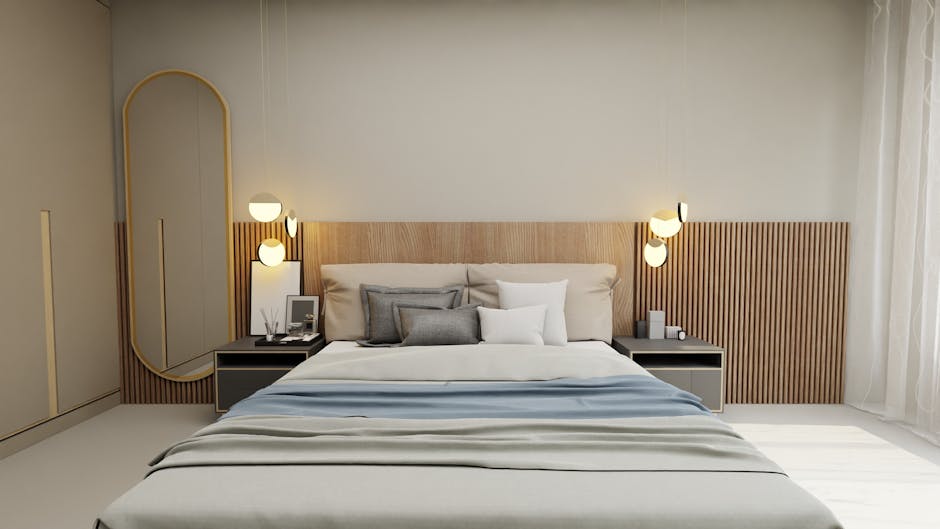
Beyond the initial budget, failed Commercial Customization can erode profits significantly. Imagine a guestroom where the desk doesn’t quite fit the alcove, or a wardrobe door constantly snags on the wall. These seemingly minor misalignments, when multiplied across 150-200 rooms, lead to incessant maintenance calls, frustrated guests, and ultimately, a diluted brand experience.
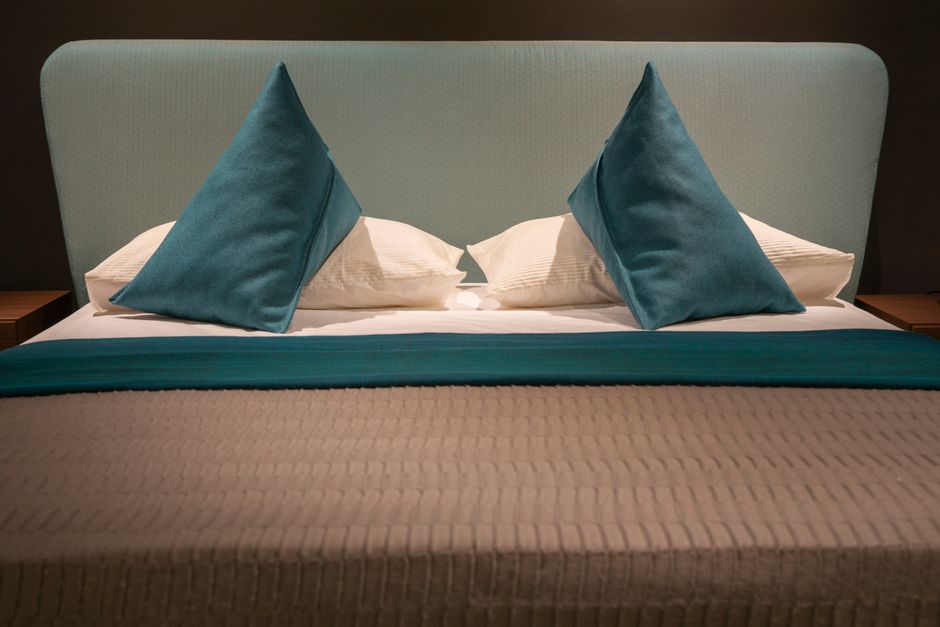
Data from 2026 indicates that hotels with inconsistent design elements or poorly fitting furniture experience up to 15% lower guest satisfaction scores and a 5% reduction in repeat bookings. The hidden costs extend to accelerated replacement cycles, potentially every 3-5 years instead of 10-12, adding 200-300% to your FF&E expenditure over the asset’s operational lifespan. This isn’t merely an aesthetic concern; it directly impacts your Yield per Square Meter by reducing usable space and perceived value.
The Decision Framework — What to Evaluate Before You Choose
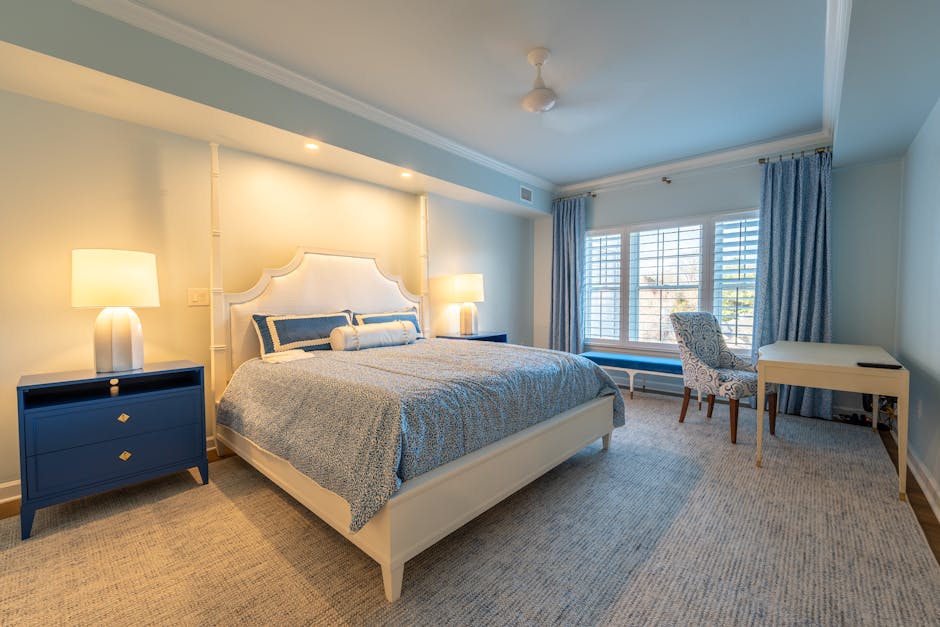
Making high-value bulk purchasing decisions for custom furniture requires a structured approach. Before committing to a supplier, evaluate these critical aspects:

- Design Integrity & Brand Alignment: Can the supplier precisely translate your interior designer’s vision into tangible furniture? This includes matching specific brand guidelines, color palettes, and material finishes. True expertise ensures the furniture creates a cohesive and Distinctive Spatial Identity for your property, rather than just filling a space.
- Material Specifications & Durability: Demand precise details on material grades. Is it E0-grade plywood, 304 stainless steel, or Crib 5 fire-retardant foam? Understand the construction methods for joints (e.g., dovetail, mortise and tenon) and surface treatments. These specifications are foundational to the furniture’s longevity and contribute significantly to Sustainable Asset Longevity.
- Manufacturing Capabilities & Quality Control: Investigate whether the supplier boasts in-house production or outsources. What are their quality control checkpoints (e.g., 47-point inspection protocols, 30/60/90% progress reports)? How do they manage tolerances (e.g., ±0.5mm)? A robust QC process minimizes defects and costly rework.
- Logistics & Installation Support: A great supplier manages more than just manufacturing. Can they handle global shipping, customs clearance, and precise site delivery coordination? Do they provide detailed packing lists, barcoding for easy identification, and comprehensive installation guides? This minimizes on-site delays and potential damage.
- Project Management & Communication: For complex Commercial Customization projects, transparent communication is vital. Does the supplier provide a dedicated project manager, regular progress updates, and a clear change order process? Proactive communication prevents misunderstandings and keeps your project on track.
| Evaluation Aspect | Standard Procurement | Commercial Customization (Strategic Approach) |
|---|---|---|
| Design Alignment | Limited to catalog options; compromises on aesthetic often needed. | Exact match to brand guidelines and designer vision; achieves a Distinctive Spatial Identity. |
| Durability & Materials | Often residential-grade; shorter lifespan (typically 3-5 years); material sourcing can be opaque. | Contract-grade materials (e.g., E0 plywood, 304 stainless steel), engineered for 10+ years; certified for Sustainable Asset Longevity. |
| Space Optimization | Standard dimensions may lead to wasted space or awkward layouts. | Tailored dimensions maximize Yield per Square Meter and enhance functionality within specific room layouts. |
| Project Control | Multiple vendors, fragmented communication, increased risk of inconsistencies. | one-stop solution, dedicated project manager, regular QC reports, ensures seamless Multi-Scenario Adaptability. |
| Long-Term Value | Lower upfront costs, but higher replacement expenses and potential brand dilution over time. | Higher initial investment, but superior ROI through extended durability and consistent brand delivery. |
What Separates a Good Supplier from a Great One
When sourcing for Commercial Customization, the distinction between ‘good’ and ‘great’ lies in a supplier’s proactive expertise and transparent processes. Ask these specific questions to uncover their true capabilities:
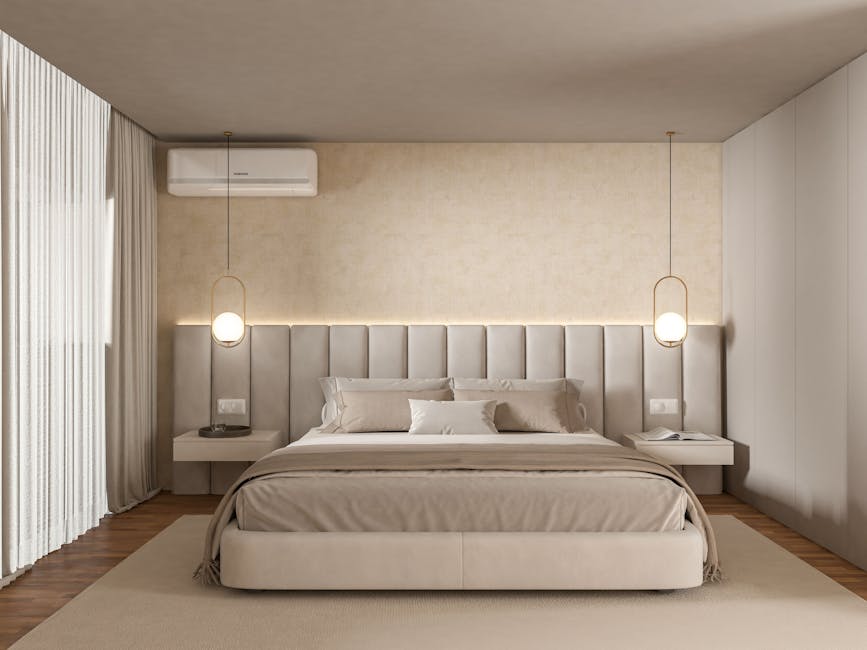
- “Can you provide detailed shop drawings for every unique furniture piece, including material breakdowns, construction methods, and hardware specifications?” (Look for CAD proficiency and 3D rendering capabilities.)
- “What is your typical lead time for a custom order of 200 guestroom sets, from the final shop drawing approval to ex-factory shipment?” (Expect a realistic timeframe of 12-16 weeks for complex production, plus shipping transit.)
- “Describe your quality control process for Commercial Customization, from raw material inspection to in-line production checks and pre-shipment auditing.” (A great supplier provides clear methodologies, dedicated QC teams, and photographic/video reports at each stage.)
- “How do you handle design changes mid-project, and what is the typical turnaround for updated samples or drawings?” (Transparency and agility in managing revisions are critical for project flow.)
- “Do you offer mock-up room services, and what are the associated costs and timelines for a full mock-up?” (This is an essential step for large-scale projects to validate design and functionality.)
- “What specific certifications do your materials and finished products hold (e.g., CE, ISO, SGS, FDA, BIFMA, CAL 117, Crib 5)?” (Compliance with international standards is non-negotiable for commercial hospitality furniture.)
- “Can you provide references from similar 5-star hotel projects completed in the last 24 months, particularly those requiring specific Multi-Scenario Adaptability?” (Verify experience with comparable projects and global reach.)
Red Flags and Non-Negotiables — When to Walk Away
Even with careful planning, pitfalls exist in furniture procurement. Recognize these red flags early to protect your investment and project timeline:
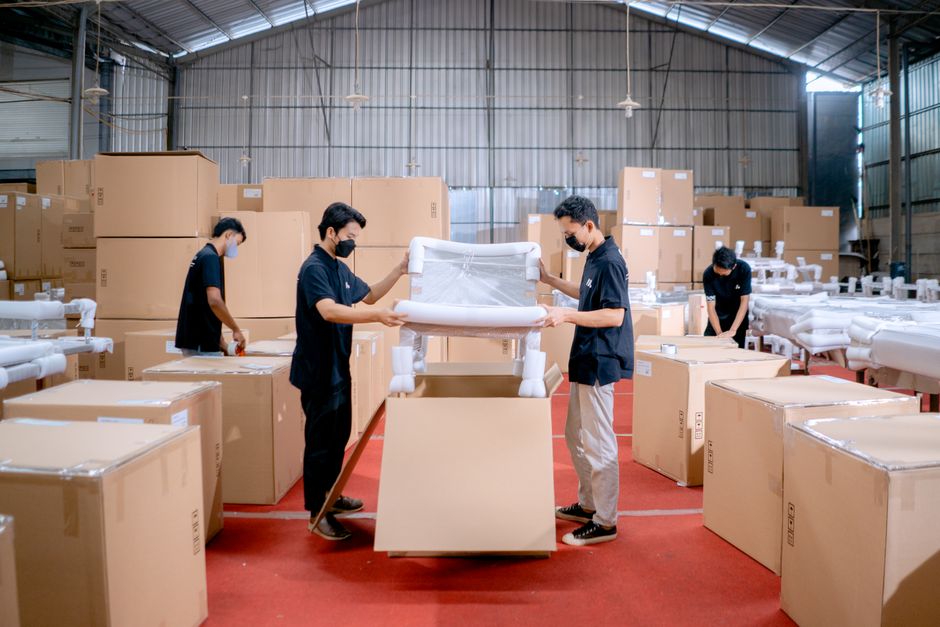
- Vague Specifications or “Too Good to Be True” Pricing: A supplier who avoids providing precise material grades, detailed joint construction methods, or offers prices significantly below market average (e.g., 20-30% lower than competitors) is likely cutting corners on quality, labor, or both. This will inevitably lead to premature furniture failure and higher long-term replacement costs.
- Lack of Transparency in Production: An inability or unwillingness to provide regular progress reports (30/60/90% milestones), factory tour options (virtual or in-person), or detailed QC documentation should raise immediate concerns. A reputable manufacturer welcomes scrutiny and offers full visibility into their operations.
- Inconsistent Communication & Missed Deadlines During Quote Phase: If a supplier is slow to respond to Requests for Quotation (RFQs) or consistently misses initial sample deadlines, this pattern will almost certainly worsen during full-scale production. Such unreliability can jeopardize your entire project timeline and budget.
- No Dedicated Project Management or In-House Design Support: For complex Commercial Customization, a single point of contact and an experienced in-house design team are crucial. Without them, communication breakdowns, design misinterpretations, and costly errors become almost inevitable.
- Unclear Warranty or After-Sales Support: A supplier unwilling to provide a clear, comprehensive warranty (e.g., a 5-year structural warranty) or a defined after-sales process for repairs and replacements indicates a lack of confidence in their product and a limited commitment to your project’s Sustainable Asset Longevity.
How Top Hotels Approach Commercial Customization Differently
Leading hospitality groups understand that furniture is a strategic asset, not just a line item. Their approach to Commercial Customization reflects this insight:
- Scenario 1: The Urban Boutique Revival (2026)
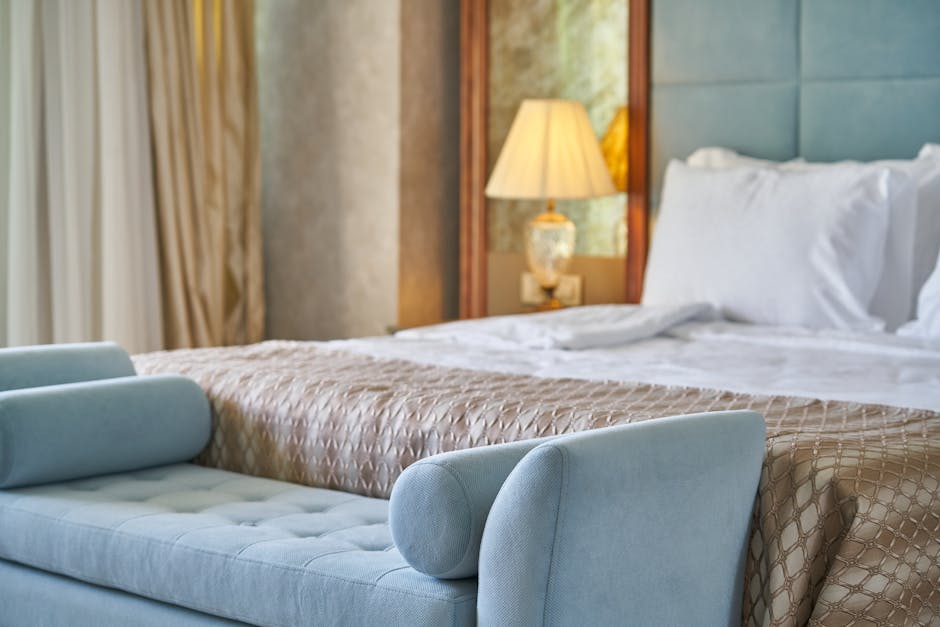
A 120-room boutique hotel in a highly competitive metropolitan market aimed to establish a truly Distinctive Spatial Identity. Instead of compromising with off-the-shelf options, they partnered with a custom furniture manufacturer early in the design phase. The manufacturer’s in-house design team collaborated closely to create unique, space-saving built-in casegoods for compact rooms and visually striking lobby pieces. This proactive Commercial Customization ensured every piece was optimized for tight dimensions and reinforced the hotel’s unique brand, achieving 90% guest satisfaction in its first six months of operation. - Scenario 2: The Resort Expansion (2026)
A luxury resort undertaking a 300-suite expansion faced varying room layouts and high durability requirements due to its tropical, high-humidity location. They prioritized Multi-Scenario Adaptability in their Commercial Customization strategy. The chosen supplier provided furniture engineered with specialized moisture-resistant finishes and high-grade solid wood components, designing modular pieces that could be configured efficiently for different suite types. This foresight minimized material waste and ensured a consistent high-end feel across diverse spaces, protecting their long-term Sustainable Asset Longevity. - Scenario 3: The Branded Chain Renovation (2026)
A well-known international hotel brand renovated 180 rooms, needing precise adherence to corporate brand standards for their casegoods, but with a unique local aesthetic. Their procurement team focused on suppliers with strong OEM/ODM capabilities and a proven track record. Through rigorous mock-ups and material approvals, they ensured every desk, headboard, and vanity met both corporate design guidelines and local cultural nuances. This strategic Commercial Customization resulted in a seamless brand experience that felt authentic, boosting their Yield per Square Meter through increased average daily rates and positive guest reviews.
Your Action Plan — Next Steps for Your Project
Transforming your vision into reality with successful Commercial Customization requires a clear, executable roadmap. Follow these steps to ensure a smooth and effective procurement process:
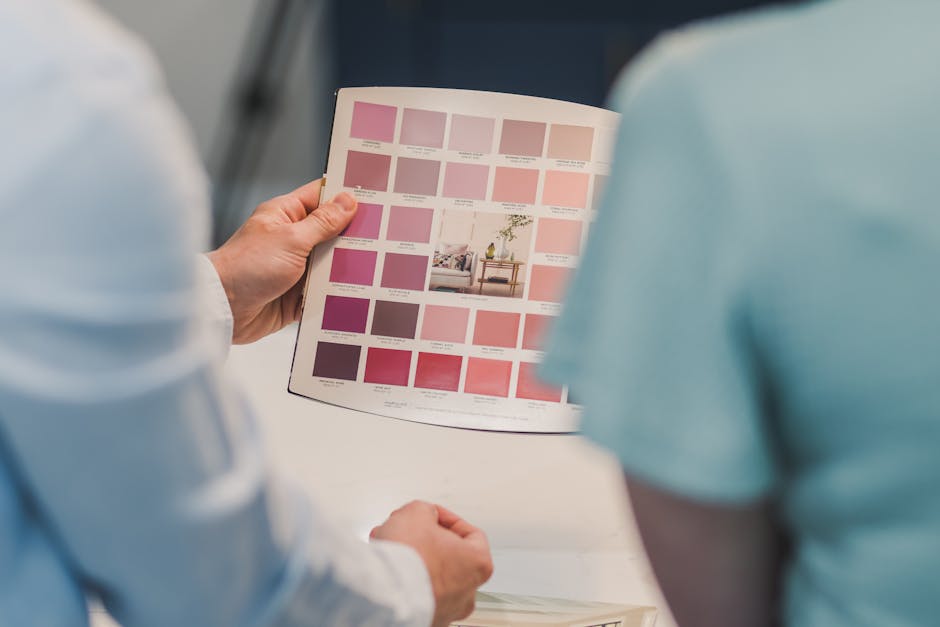
- Define Your Vision: Solidify your design concept, brand guidelines, and precise functional requirements. Clearly articulate the specific Distinctive Spatial Identity you aim to create for your property.
- Develop Detailed Specifications: Work closely with your interior design team to create comprehensive FF&E schedules, precise material specifications, and preliminary shop drawings. The more detail you provide, the more accurate your quotes will be.
- Identify Qualified Suppliers: Research manufacturers specializing in Commercial Customization for hospitality. Focus on their experience, certifications, global project portfolio, and the breadth of their services. Consider reviewing Zhobai Hotel Furniture’s global project portfolio for examples of successful implementations.
- Request Detailed Quotes & Samples: Provide your comprehensive specifications to 2-3 top-tier, pre-qualified suppliers. Insist on transparent pricing, detailed material breakdowns, and physical samples for critical finishes and construction elements.
- Conduct Thorough Due Diligence: Evaluate supplier capabilities through factory audits (virtual or in-person), comprehensive reference checks, and a meticulous review of their quality control processes.
- Secure a Comprehensive Contract: Ensure your final agreement includes clear timelines, payment schedules, precise material specifications, robust warranty terms, and a defined dispute resolution mechanism.
Navigating the complexities of Commercial Customization requires a partner who understands both design intricacies and the operational demands of hospitality. Since 2010, Zhobai Hotel Furniture has specialized in delivering tailored furniture solutions for 5-star hotels, resorts, and boutique properties worldwide.
Our one-stop solution, encompassing early-stage planning, in-house design, manufacturing, logistics, and installation, is built precisely to mitigate the risks discussed in this guide. We provide factory-direct pricing, certified quality (CE, ISO, SGS, FDA), and a steadfast commitment to transforming your vision into furniture that enhances your Yield per Square Meter and ensures Sustainable Asset Longevity. Ready to discuss your next project’s Commercial Customization needs? Contact Zhobai Hotel Furniture today to start a conversation with our expert team.