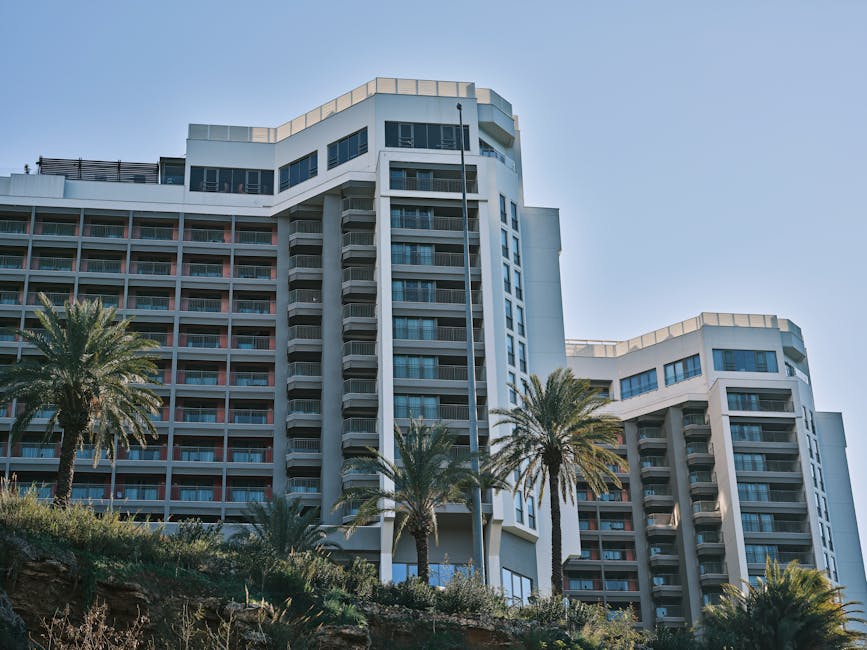
Navigating the complex landscape of hotel development, one figure consistently dominates strategic discussions: the total hotel building cost. This isn’t merely a sum of construction expenses; it’s a multi-faceted investment dictating profitability, market positioning, and long-term operational success. For hotel owners, developers, and procurement managers, understanding and strategically managing this cost is paramount to transforming ambitious visions into thriving realities. An early miscalculation, particularly in areas like custom FF&E, can ripple through a project, impacting timelines, budgets, and ultimately, guest experience and return on investment.
Why Optimizing Hotel Building Cost is Critical for Hotel Success
Effective management of your hotel building cost directly translates into the financial viability and competitive edge of your property. Overruns can erode profit margins, delay opening dates, and strain investor confidence, turning a promising venture into a financial burden. Conversely, a well-planned budget allows for strategic allocation of resources, ensuring quality without unnecessary extravagance, and securing a stronger position in the market.
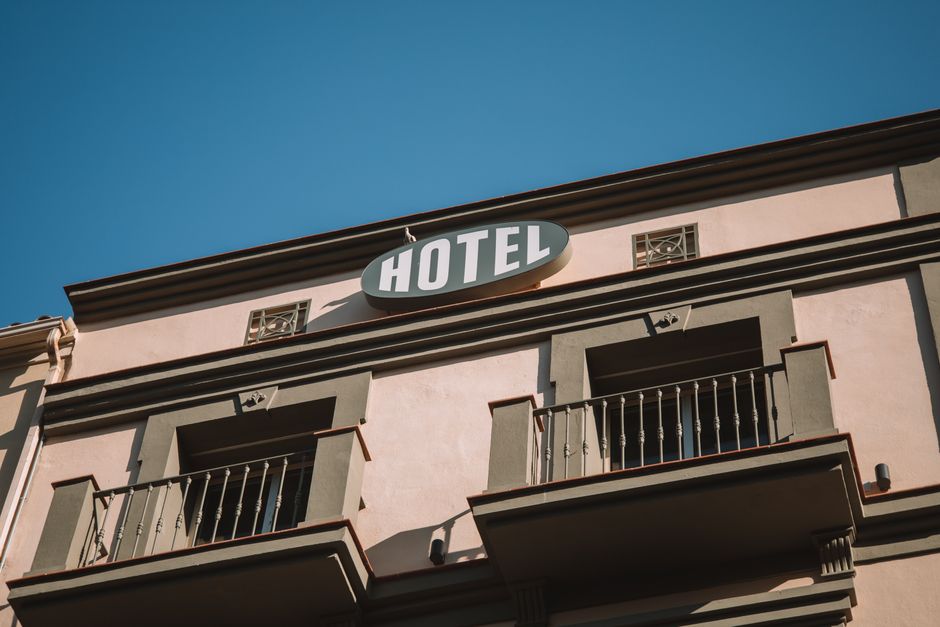
Consider a typical 150-room upscale hotel; an average project cost can range from $25 million to $60 million or more, depending on location and amenities. Even a 5% budget overshoot, a common occurrence in complex projects, could mean an additional $1.25 million to $3 million. This significant sum directly impacts the capital expenditure, affecting debt servicing, equity returns, and the overall project lifecycle.
Key Factors to Consider When Calculating Hotel Building Cost
A comprehensive understanding of hotel building cost requires dissecting it into its core components. Each element carries significant weight and demands meticulous planning to ensure accuracy and prevent unexpected expenditures.
-
Land Acquisition & Site Preparation
The cost of land varies dramatically by location, from prime urban centers where it can represent 20-30% of the total project cost, to more rural or suburban areas. Beyond purchase price, site preparation, including grading, utility connections, and environmental assessments, can add 5-10% to this initial outlay.

-
Hard Costs: Construction & Infrastructure
This category encompasses structural work, exterior finishes, MEP (Mechanical, Electrical, Plumbing) systems, and interior architectural elements. These costs typically constitute 50-60% of the total hotel building cost. Selecting durable, high-performance materials and efficient construction methods are crucial for long-term operational savings.
-
FF&E and OS&E
Furniture, Fixtures, and Equipment (FF&E) and Operating Supplies and Equipment (OS&E) are critical for guest experience and functionality. FF&E alone can account for 10-15% of the total project budget, covering everything from guest room furniture to lobby seating and restaurant equipment. OS&E, including linens, kitchenware, and amenities, adds another 2-5%. Strategic sourcing for custom furniture, leveraging factory direct pricing and OEM/ODM services, can significantly impact this segment.

-
Soft Costs: Design, Fees & Financing
These essential but non-physical costs include architectural and engineering fees (5-10%), permits, legal expenses, insurance, project management, and financing costs. These elements typically represent 15-20% of the overall project cost and require careful budgeting from the outset.

-
Technology Integration
Modern hotels demand advanced technology, from property management systems and high-speed internet to smart room controls and security systems. Integrating these solutions effectively can add 3-7% to the total budget but is vital for guest satisfaction and operational efficiency.

Common Mistakes Hotels Make with Hotel Building Cost
Even experienced developers can fall prey to common pitfalls that inflate the hotel building cost or compromise the project’s long-term success. Avoiding these errors is as crucial as meticulous planning.
-
Underestimating FF&E Budget
Many projects initially allocate insufficient funds for FF&E, viewing it as a secondary expense rather than an integral part of the guest experience. This often leads to last-minute compromises on quality or design, impacting brand perception and operational durability. For instance, selecting inferior quality custom furniture might save 2% upfront but incur 10% higher replacement costs within five years.
-
Lack of Detailed Early-Stage Planning
Failing to conduct thorough feasibility studies, detailed architectural planning, and comprehensive cost modeling from day one is a frequent misstep. This can result in costly change orders during construction, pushing timelines and budgets beyond acceptable limits. Early engagement with a professional design team is critical to mitigate these risks.
-
Ignoring Long-Term Operational Costs
Focusing solely on initial construction costs without considering ongoing operational expenses (e.g., energy consumption, maintenance, staffing) can lead to higher lifetime costs. Investing in energy-efficient systems or durable, easy-to-maintain materials might increase upfront expenditure by 3-5% but can yield 15-20% savings in operational costs annually.
-
Poor Supplier Vetting and Contract Management
Selecting suppliers based solely on the lowest bid without thorough due diligence regarding their experience, quality control, and reliability often backfires. This can result in delays, substandard products, and contractual disputes. Vetting partners with a proven track record, especially for critical components like custom FF&E, is essential.
Latest Trends and Innovations in Hotel Building Cost (2024-2025)
The hospitality industry is constantly evolving, and new trends significantly influence how to build a hotel efficiently and sustainably. Staying abreast of these innovations can lead to substantial cost savings and enhanced guest experiences.
-
Sustainable Construction & Materials
Increasingly, developers are prioritizing sustainable practices. This includes using recycled or locally sourced materials, modular construction techniques to reduce waste, and energy-efficient building systems. While some sustainable materials might have a slightly higher upfront cost (e.g., 2-3%), they often qualify for tax incentives and result in lower operational costs and a stronger brand image, appealing to environmentally conscious guests.
-
Modular Construction Techniques
Prefabricated modules for guest rooms or entire sections of a hotel can reduce construction time by 30-50% and lower labor costs. This method minimizes on-site disruption, improves quality control, and can lead to a 5-10% reduction in overall hard costs, making it an attractive option for certain projects.
-
Wellness-Focused Design & Biophilia
Integrating natural light, green spaces, and biophilic design elements is a growing trend. While requiring thoughtful design, these features enhance guest well-being and can increase perceived value. Using natural wood finishes and sustainable textiles in custom furniture aligns with this trend, providing both aesthetic appeal and environmental benefits.
-
Smart Technology Integration
Beyond basic Wi-Fi, hotels are incorporating smart room controls for lighting, temperature, and entertainment, as well as touchless check-in and digital concierge services. These advancements, while an investment, streamline operations, reduce staffing needs, and elevate the guest experience, contributing positively to ROI over time.
How to Work With a Reliable Hotel Building Partner
Selecting the right partners is paramount to managing your hotel building cost and achieving project success. For critical elements like custom furniture, a full-service manufacturer offers invaluable expertise and efficiencies.
Look for partners who offer a one-stop solution, encompassing early-stage planning, design, manufacturing, logistics, and installation. This integrated approach minimizes coordination headaches, reduces the risk of miscommunication, and often results in significant cost savings compared to managing multiple vendors. Zhobai Hotel Furniture, for instance, has over 15 years of experience providing such comprehensive services, ensuring seamless project execution.
A professional in-house design team is another non-negotiable asset. They can translate your vision into tailored spaces, optimize layouts for functionality and aesthetics, and ensure material selection aligns with your budget and brand standards. Their expertise is crucial in specifying custom furniture that meets the demands of 5-star hotels, boutique resorts, and other demanding hospitality environments worldwide.
Finally, consider a manufacturer’s certifications (like CE, ISO, SGS, FDA) and their ability to offer OEM/ODM services and factory direct pricing. This transparency and direct engagement ensure quality control and eliminate unnecessary markups. For a deeper dive into selecting the best manufacturing partner, explore this hotel furniture manufacturer guide.
Frequently Asked Questions
-
What is the average hotel building cost per key (per room)?
The cost per key varies significantly by segment and location. Economy hotels might range from $80,000 – $150,000 per key, mid-scale from $150,000 – $250,000, and luxury or 5-star properties can easily exceed $300,000 – $600,000 per key, often much higher in prime urban areas or for famous commercial buildings.
-
How much does FF&E typically contribute to the total hotel building cost?
FF&E (Furniture, Fixtures, and Equipment) generally accounts for 10% to 15% of the total hotel building cost. This percentage can increase for high-end luxury properties or those requiring extensive custom furniture and specialized equipment.
-
What are ‘soft costs’ in hotel development?
Soft costs are expenses not directly related to physical construction. They include architectural and engineering fees, legal fees, permits, insurance, financing costs, project management fees, and pre-opening expenses. These typically constitute 15% to 20% of the total project budget.
-
How can I reduce hotel construction costs without sacrificing quality?
Strategic cost reduction involves meticulous early-stage planning, value engineering, efficient procurement (e.g., factory direct custom furniture), utilizing modular construction where appropriate, and selecting a reliable, experienced one-stop solution partner. Focusing on durable materials and smart design can also reduce long-term operational costs.
Mastering the complexities of hotel building cost is a cornerstone of successful hospitality development. By understanding the intricate factors, avoiding common pitfalls, embracing emerging trends, and partnering with experienced suppliers, you can ensure your project is not only financially sound but also delivers exceptional value and guest satisfaction. Zhobai Hotel Furniture stands ready as your trusted partner, offering comprehensive expertise from design to delivery for your next custom furniture project. Let our 15+ years of experience and dedicated design team help you optimize your investment. Contact us today to discuss your vision and receive expert guidance tailored to your specific needs.