Imagine this: a seasoned FF&E procurement manager, deep into planning a new 300-key resort, reviews initial quotes for guestroom beds. The unit prices look promising, yet an uneasy feeling persists. Past experiences whisper of delayed deliveries, beds that sagged within two years, and the hidden costs of guest complaints and premature replacements. The current approach, prioritizing lowest upfront cost, is clearly costing more in operational headaches, guest satisfaction, and ultimately, the bottom line. This scenario highlights a critical need to move beyond simple price comparisons and the expertise offered by dedicated hotel bed manufacturers.
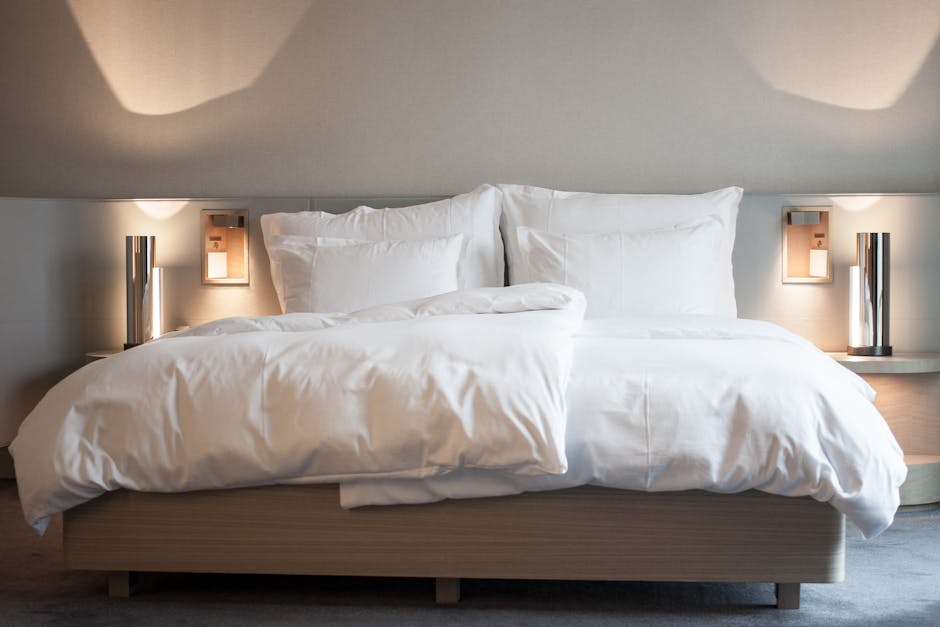
What ‘Hotel Bed’ Actually Means in a Commercial Hotel Context
In the commercial hospitality sector, a ‘hotel bed’ transcends its residential counterpart. It is not merely a place to sleep; it is a critical piece of infrastructure designed for rigorous daily use, varying guest weights, and frequent cleaning cycles. Misconceptions often arise, with some assuming residential-grade furniture can suffice. This is a costly error. Commercial beds, unlike consumer models, are engineered for exceptional durability, structural integrity, and ease of maintenance, capable of withstanding continuous occupancy and professional cleaning protocols for a minimum lifespan of 7-10 years. They integrate seamlessly with broader guestroom design, often including integrated power solutions, lighting, and storage, functioning as a complete sleep and relaxation hub. Understanding these fundamental differences is the first step when evaluating potential hotel bed manufacturers.
Learn more about full list of certifications.
Specification Breakdown — What to Look For
When sourcing from hotel bed manufacturers, a detailed specification breakdown is non-negotiable. Procurement managers and designers must scrutinize every technical attribute to ensure long-term performance and guest satisfaction. This is where expertise in custom hotel bedroom furniture manufacturer specifications becomes invaluable.
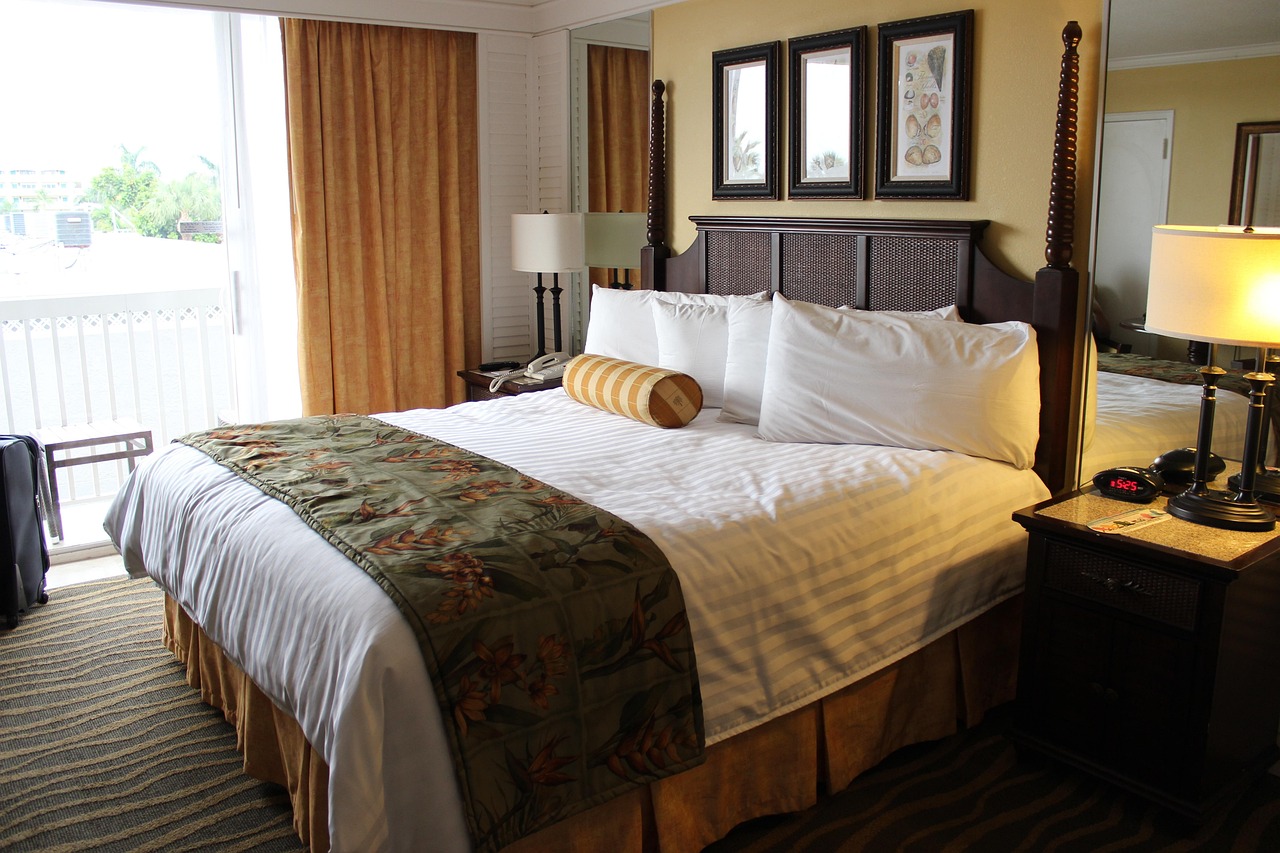
- Frame Material & Construction: Seek frames constructed from FSC-certified solid hardwood (e.g., beech, oak) with a minimum thickness of 25mm for primary load-bearing components. Joints must employ robust methods such as mortise-and-tenon or double-dowel joinery, reinforced with internal corner blocks and high-grade structural adhesives. For integrated casegoods, specify E0-grade MDF or plywood to minimize formaldehyde emissions, ensuring compliance with international health standards.
- Hardware and Fasteners: All structural hardware, including connectors and brackets, should be commercial-grade steel, preferably 304 stainless steel for high-humidity environments, ensuring resistance to corrosion and fatigue. Fasteners must be machine-driven, securely anchored, and include anti-loosening mechanisms.
- Load Ratings and Stability: Commercial beds require static load ratings of at least 300kg per individual sleeping surface. Ensure the design incorporates sufficient central support systems, such as reinforced cross-slats or a full-deck platform, to prevent mattress sagging and distribute weight evenly. Stability should be validated through static and dynamic load testing protocols.
- Finish Durability and Maintenance: Specify finishes that meet or exceed commercial durability standards, such as a multi-coat, scratch-resistant polyurethane lacquer (e.g., CATAS certified) for exposed wood surfaces. High-pressure laminates (HPL) with a minimum 0.8mm thickness are suitable for high-traffic areas. Upholstered components should utilize contract-grade fabrics (COM or manufacturer-specified) with a minimum Martindale abrasion rating of 50,000 cycles, and include stain-resistant treatments.
- Lead Times and Production Capacity: Understand the manufacturer’s typical lead times. For custom projects, expect 10-12 weeks for production post-sample approval, with an additional 3-6 weeks for international logistics. Verify their capacity to handle your project scale without compromising quality or schedule.
- Minimum Order Quantity (MOQ): Custom hotel bed manufacturers typically have MOQs ranging from 50 to 100 units per design. Clarify this early to align with your project scale and avoid unforeseen costs or limitations.
| Specification Category | Commercial Hotel Standard (Minimum) | Impact on TCO & Guest Experience |
|---|---|---|
| Frame Construction | FSC-certified solid hardwood, mortise-and-tenon, reinforced corner blocks | Ensures structural integrity for 10+ years, prevents premature failure. |
| Upholstery Fabric | Contract-grade, Martindale >50,000 cycles, stain-resistant | Extends aesthetic life, reduces cleaning costs, maintains fresh appearance. |
| Static Load Rating | 300kg per sleeping surface with central support | Prevents mattress sag, supports diverse guest weights, enhances comfort. |
| Finish Durability | Multi-coat polyurethane lacquer (CATAS certified) or 0.8mm HPL | Resists scratches, chips, and moisture, reducing refurbishment frequency. |
| Assembly Method | Knock-down or fully assembled (client choice), robust hardware | Optimizes logistics, simplifies on-site installation, ensures stability. |
Custom vs. Off-the-Shelf — Making the Right Call for Your Project
The decision between custom and off-the-shelf beds is pivotal for any hospitality project. It’s not a matter of one being inherently ‘better,’ but rather which option aligns more closely with your project’s specific parameters. For projects demanding a unique identity, working with hospitality bed and casegoods contract manufacturers for bespoke solutions offers unparalleled advantages.
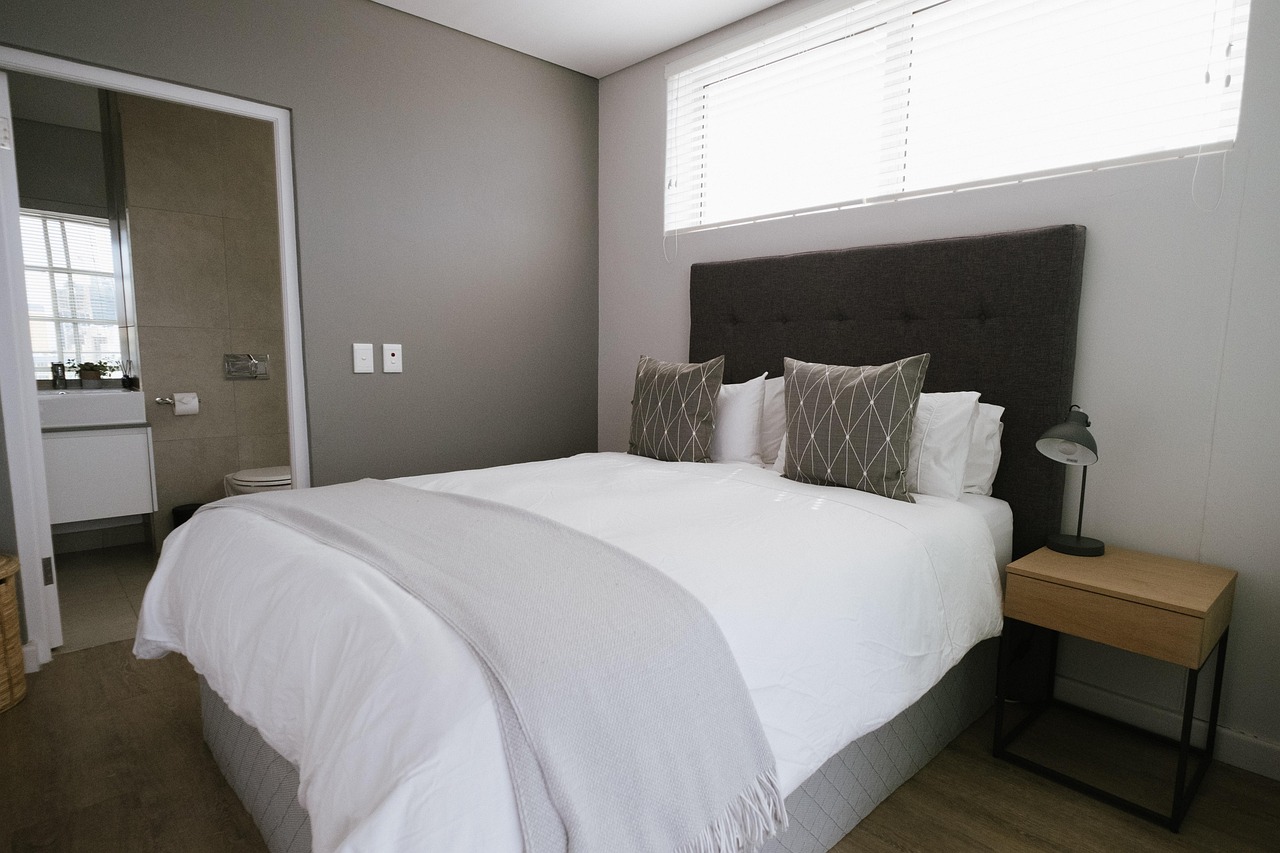
Custom Furniture:
- Budget: Typically involves a higher upfront investment due to tooling, design development, and specialized production. However, it often translates to a lower Total Cost of Ownership (TCO) over the long term due to superior durability, fewer replacements, and tailored functionality that reduces operational friction.
- Timeline: Requires a more extended project timeline, including design iterations, prototyping, sample approval, and manufacturing. Lead times of 10-16 weeks are common, necessitating early engagement with bespoke 5 star hotel bed base suppliers.
- Brand Standards: Essential for luxury brands, boutique hotels, or properties aiming for a distinct aesthetic and guest experience. Customization ensures perfect alignment with architectural details, interior design schemes, and brand identity, from specific wood tones to integrated technology.
- Scale: Highly advantageous for large-scale new builds, extensive renovations, or multi-property rollouts where consistency and specific design elements are paramount. Economies of scale can be achieved on larger custom orders.
- Recommendation: For 5-star hotels, high-end boutique properties, or any project where creating a unique, immersive guest experience and ensuring long-term asset value are primary objectives, custom beds are the superior choice. The initial investment is justified by tailored design, enhanced guest satisfaction, and reduced lifecycle costs. Zhobai Hotel Furniture, with its professional in-house design team, excels in delivering these tailored solutions from early-stage planning through to installation.
Off-the-Shelf Furniture:
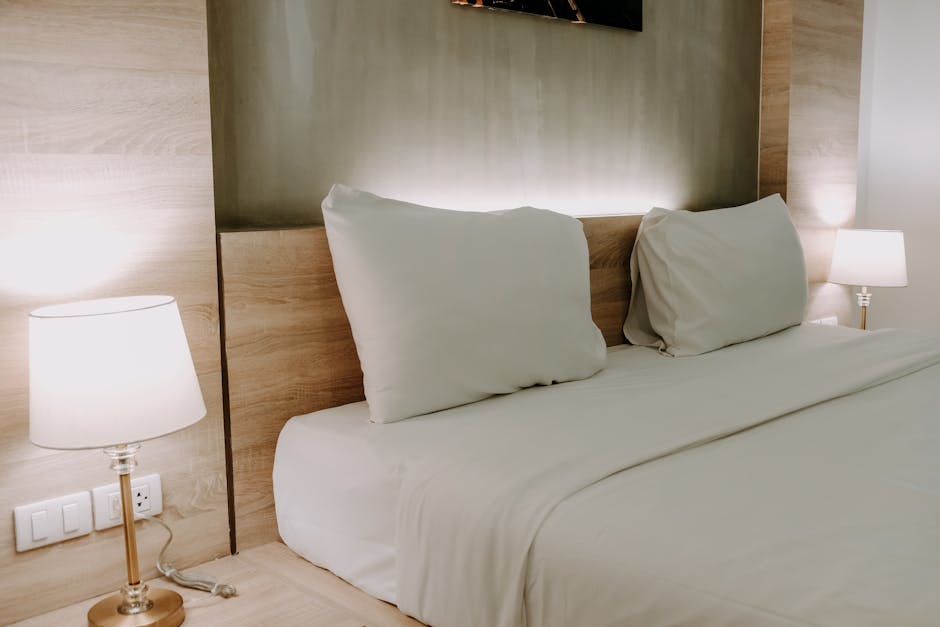
- Budget: Lower initial purchase price due to standardized designs and mass production. However, potential for higher TCO if durability is compromised, leading to earlier replacement cycles and increased maintenance.
- Timeline: Significantly shorter procurement and delivery times, often available from stock or with minimal lead times. Ideal for rapid deployment or projects with compressed schedules.
- Brand Standards: Suitable for economy hotels, mid-range chains with flexible design guidelines, or properties where a standardized, functional aesthetic is acceptable. Limited scope for unique branding elements.
- Scale: Best for smaller projects, quick updates, or when strict budget constraints prohibit extensive customization.
- Recommendation: Off-the-shelf options are viable for budget-conscious projects, expedited renovations, or properties where design differentiation is not a core competitive advantage. However, even here, rigorous specification checks are crucial to avoid premature product failure.
Design and Customization Possibilities
The realm of custom hotel furniture offers extensive possibilities to translate a design vision into a tangible guest experience. From the foundational bed base to integrated headboards and nightstands, every element can be tailored. Leading bespoke 5 star hotel bed base suppliers enable designers to push creative boundaries while adhering to commercial robustness.
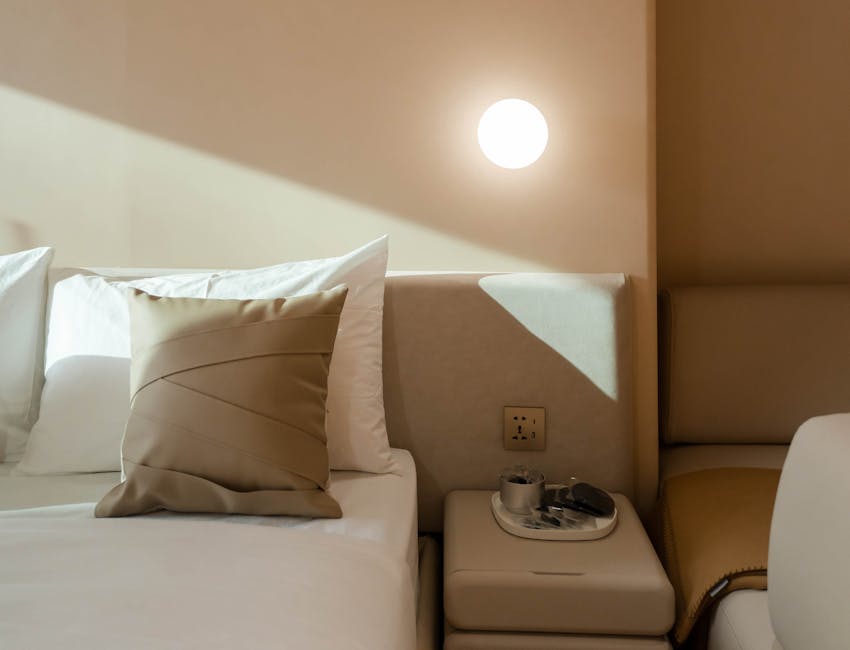
- Finishes and Textures: Options range from natural wood veneers (e.g., walnut, ash, oak) with various stain and lacquer treatments, to high-pressure laminates (HPL) that mimic stone, metal, or abstract patterns. Upholstery can utilize a vast array of Contract-Grade fabrics (COM or manufacturer-provided) in specific weaves, colors, and textures, including velvets, linen blends, and performance synthetics, all meeting fire retardancy standards (e.g., CAL 117, BS 5852).
- Dimensions and Configuration: Beds can be customized to any room dimension, including non-standard layouts, suites, or ADA-compliant requirements. This extends to integrated headboards that span entire walls, floating nightstands, or built-in storage solutions that maximize space efficiency in compact rooms.
- Branding Integration: Subtle or prominent branding elements can be incorporated, such as embossed logos on headboards, custom color palettes reflecting brand guidelines, or unique material combinations that create a signature aesthetic. This level of detail reinforces brand identity throughout the guest journey.
- Material Variants and Accents: Beyond wood and fabric, customization can include metal accents (e.g., brushed brass, powder-coated steel in 304 stainless steel), integrated LED lighting, leather or faux leather panels, and glass or stone inserts for a sophisticated touch. The goal is to achieve a cohesive and elevated design that speaks to the hotel’s specific clientele.
Quality Verification — How to Inspect Before You Commit
Ensuring the quality of your investment requires a proactive and rigorous verification process. Merely reviewing brochures from hotel bed manufacturers is insufficient. Buyers must implement a pre-order checklist to mitigate risks and confirm that the final product meets all specified standards.
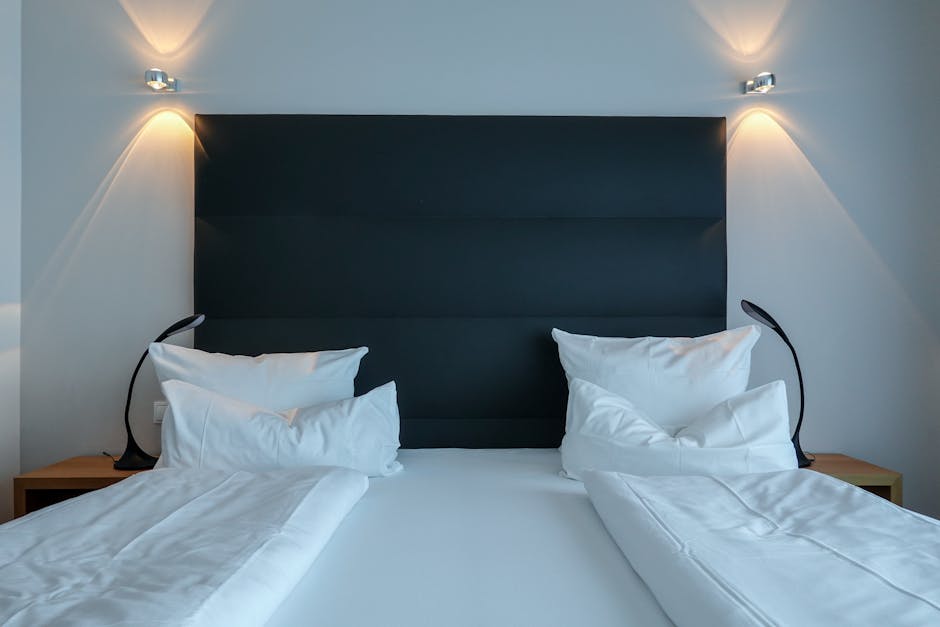
- Certifications and Compliance: Demand proof of relevant industry certifications. For example, CE marking for products sold in Europe, ISO 9001 for quality management systems, SGS for independent inspection and verification, and potentially FDA for specific healthcare applications if the beds are for hospital extensions or medical resorts. These certifications indicate adherence to international quality and safety benchmarks. See Zhobai’s full list of certifications.
- Sample Inspection and Mock-up Rooms: Before full production, insist on a full-scale sample of the bed, preferably as part of a mock-up guestroom. This allows for a comprehensive evaluation of dimensions, finishes, construction quality, comfort, and aesthetic alignment. Inspect joinery, upholstery tension, finish consistency, and hardware functionality. Request material swatches for all specified components to check color, texture, and durability.
- Factory Audits and Production Monitoring: Conduct a factory audit to assess the manufacturer’s production capabilities, quality control protocols, and ethical labor practices. Questions should cover: What percentage of raw materials are inspected upon arrival? What are the in-process quality checkpoints? How are defects identified and rectified? What is the final inspection process before packing? A transparent manufacturer will welcome such scrutiny.
- Tolerances and Durability Testing: Confirm acceptable tolerances for dimensions (e.g., ±2mm), finish consistency (e.g., color variation within Delta E < 2), and structural integrity. Request documentation of durability testing, such as static load tests, impact tests, and cycle tests for moving parts (if applicable), ensuring the beds can withstand the demands of commercial use.
Total Cost of Ownership — Beyond the Unit Price
Focusing solely on the unit price from hotel bed manufacturers is a common pitfall. A comprehensive Total Cost of Ownership (TCO) analysis provides a far more accurate picture of the investment. This holistic view considers every cost factor over the expected lifespan of the furniture, ensuring sustainability and long-term profitability. Beds designed as commercial heavy duty beds for serviced apartments offer significant TCO advantages.
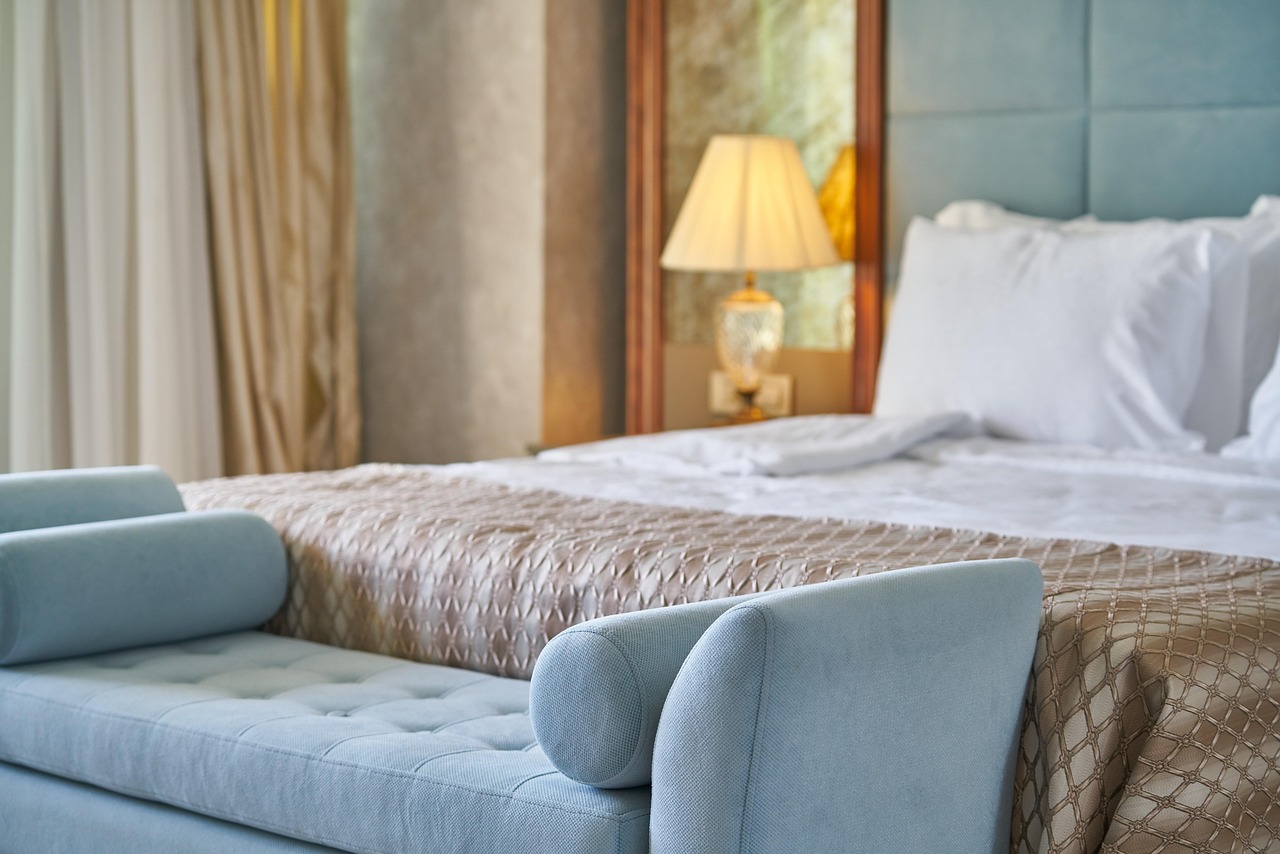
- Durability and Lifespan: High-quality, contract-grade beds are engineered for a 7-10 year lifespan, often exceeding this. Inferior products may require replacement within 2-3 years. Calculate the cost per year of service to understand true value. For instance, a $500 bed lasting 2 years costs $250/year, while a $1200 bed lasting 8 years costs $150/year.
- Replacement Cycles: Frequent replacements not only incur new purchasing costs but also disrupt operations, require labor for removal and installation, and generate waste. Investing in durable beds minimizes these disruptive cycles.
- warranty and After-Sales Support: A robust warranty (e.g., 5-year structural, 1-year finish) protects your investment. Evaluate the manufacturer’s after-sales support capabilities, including spare parts availability and responsiveness to issues. Zhobai Hotel Furniture provides comprehensive warranty and after-sales services to ensure long-term satisfaction.
- Logistics and Shipping Costs: Factor in all transportation expenses from the factory to your site, including freight, customs duties, insurance, and local delivery. An experienced manufacturer will provide transparent logistics solutions. Zhobai offers a one-stop solution covering design, manufacturing, logistics, and installation, streamlining this process.
- Installation and Assembly: Consider whether beds arrive fully assembled or require on-site assembly. Factor in the cost of skilled labor and time for installation. Complex designs or poor assembly instructions can significantly inflate these costs.
- Maintenance and Cleaning: Materials and finishes impact ongoing maintenance. Easy-to-clean, durable surfaces and fabrics reduce labor and chemical costs over time. Beds with modular components may simplify repairs.
Selecting the right hotel bed manufacturers is a strategic decision that impacts guest satisfaction, operational efficiency, and your bottom line for years to come. It requires a deep specifications, a clear understanding of customization possibilities, rigorous quality verification, and a comprehensive TCO analysis. By partnering with a manufacturer that embodies expertise and reliability, you ensure your investment yields maximum return.
Zhobai Hotel Furniture, with 15+ years of experience specializing in custom furniture for 5-star hotels, boutique hotels, and resorts worldwide, meets every benchmark outlined in this guide. Our one-stop solution covers early-stage planning, design, manufacturing, logistics, installation, and delivery, supported by a professional in-house design team and certifications like CE, ISO, SGS, and FDA. We are adept at fulfilling the precise requirements of discerning hotel owners, developers, FF&E procurement managers, and interior designers seeking high-value, durable solutions from trusted hotel bed manufacturers. We invite you to request samples or a detailed quote for your next hospitality project.