A common, yet incredibly costly, misstep for hotel procurement managers and developers is focusing solely on the upfront purchase price of hotel furniture. Many overlook the long-term implications of choosing residential-grade pieces or partnering with unverified suppliers. Imagine completing a 200-room renovation, only to face significant furniture repairs or replacements within 3-4 years because the initial purchase was based on the lowest bid, not commercial durability. This shortsighted approach inflates the actual hotel furniture cost per room by effectively doubling your investment before the next scheduled renovation cycle even begins.
The Real Cost of Getting Hotel Furniture Cost Per Room Wrong
Underestimating the true hotel furniture cost per room extends far beyond the initial invoice. Poorly sourced furniture leads to rapid wear and tear, forcing premature replacement. This not only incurs a double expense but also disrupts guest experiences, triggers negative reviews, and damages your brand’s reputation. Consider a scenario where a boutique hotel invests $8,000 per room in what appears to be stylish, budget-friendly furniture. If that furniture degrades within four years due to inadequate commercial-grade construction, the effective annual cost is $2,000 per room. However, if a comparable investment of $10,000 per room in contract-grade furniture lasts ten years, the annual cost drops to $1,000 per room. The initial ‘saving’ of $2,000 per room quickly becomes an additional $10,000 per room over a decade, not including the operational headaches and lost revenue from guest dissatisfaction. This illustrates why understanding the total lifecycle cost is paramount.
The Decision Framework — What to Evaluate Before You Choose
Making informed decisions about your hotel’s FF&E requires a structured evaluation. Focusing on these criteria ensures you secure furniture that aligns with your budget, brand standards, and operational longevity.
1. Commercial-Grade Durability & Material Specifications
Hotel furniture endures relentless use, requiring construction far superior to residential items. Evaluate frame construction (e.g., kiln-dried solid hardwood, mortise-and-tenon joints), upholstery fabric abrasion ratings (e.g., double rubs exceeding 30,000), and surface finishes (e.g., high-pressure laminates, catalytic lacquers). Specifying these details prevents premature wear and keeps your hotel ffe cost per room breakdown predictable. For instance, a desk drawer built with dovetail joints and full-extension metal glides will outlast one with simple butt joints and plastic runners by many years, minimizing maintenance calls.
2. Customization vs. Standard Inventory
While standard inventory can offer quicker lead times, custom hotel furniture cost often proves more economical long-term for brand consistency and optimal space utilization. Custom pieces allow for precise dimensions, material selections, and design elements that perfectly reflect your brand identity. For example, a custom-designed headboard with integrated lighting and USB charging ports can enhance guest convenience and elevate the room’s aesthetic beyond what an off-the-shelf option could achieve. This also helps control your hotel furniture budget allocation by avoiding compromises that might require later adjustments.
3. Lifecycle Cost & Return on Investment (ROI)
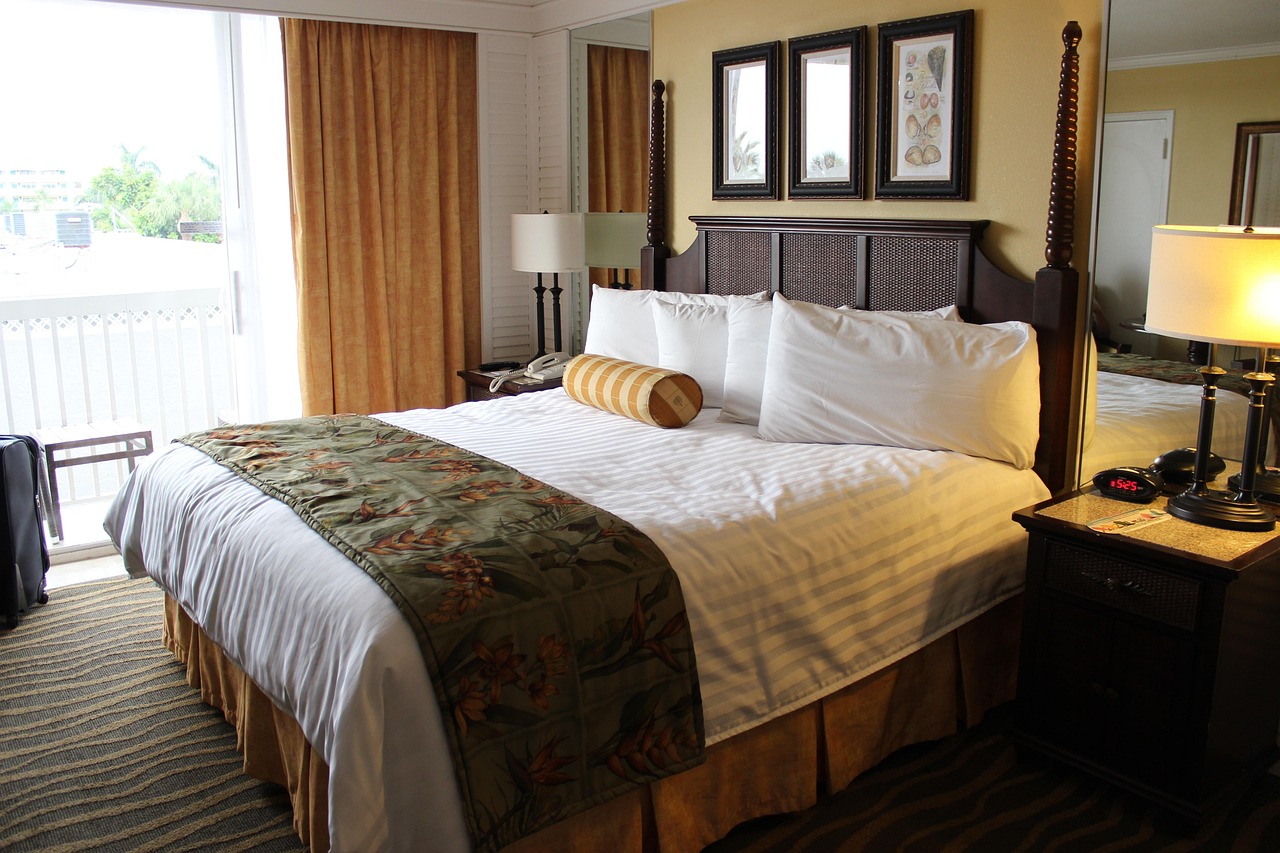
Focus on the total cost of ownership, not just the purchase price. A cheaper initial investment in furniture that fails in 3-5 years generates negative ROI. Contract-grade furniture, designed for 8-10 years of heavy use, provides superior value. Consider the cost of repairs, replacements, and the impact of worn furniture on guest satisfaction and ADR. Investing an extra 15-20% upfront for robust construction can save 50% or more in replacement costs over a decade. This strategic approach ensures your mastering commercial customization hotels project yields long-term financial benefits.
4. Supply Chain Transparency & Logistics
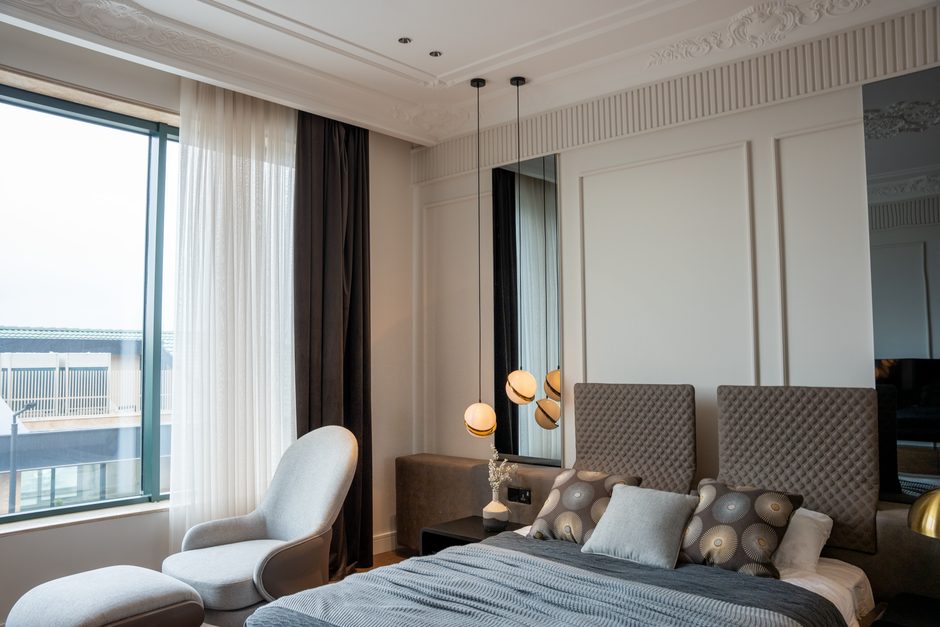
A reputable supplier offers full transparency on manufacturing processes, material origins, and logistics. Understand their lead times, shipping methods, and installation capabilities. Delays in furniture delivery can stall an entire hotel opening, incurring significant financial penalties. A supplier with a robust, integrated supply chain can manage everything from factory floor to room installation, minimizing risks and ensuring adherence to your project timeline. Look for partners who provide clear project management timelines and regular progress updates, especially for complex global projects.
5. Certifications & Compliance
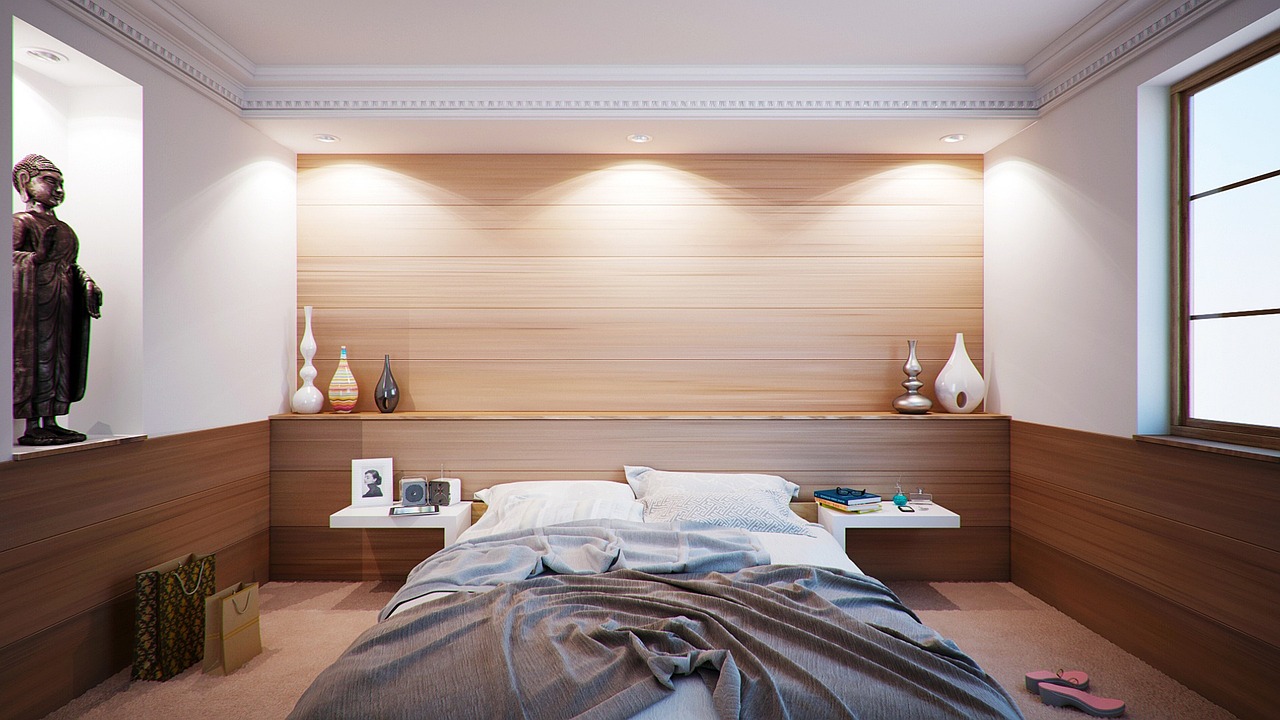
Ensure all furniture complies with international safety and environmental standards. Look for certifications like ISO (quality management), CE (European conformity), SGS (testing and inspection), and relevant fire retardancy ratings (e.g., CAL 117, BS 5852). These certifications are non-negotiable for guest safety and regulatory compliance. They also provide assurance of manufacturing quality and ethical practices. Partnering with a certified manufacturer like Zhobai Hotel Furniture provides peace of mind regarding adherence to stringent global standards. For luxury properties, a high-quality supplier might also offer tailored solutions, as seen in projects like the Ritz Carlton Kazakhstan Hotel Furniture.
| Evaluation Criterion | Key Considerations for Hotel FF&E | Impact on Hotel Furniture Cost Per Room |
|---|---|---|
| Material Grade | Solid hardwood, engineered wood with veneers, HPL. Fabric abrasion resistance (e.g., 50,000+ double rubs). | Higher grade materials increase initial cost but significantly reduce long-term replacement frequency, lowering effective annual cost. |
| Construction Quality | Mortise-and-tenon joints, reinforced stress points, fully welded metal frames, commercial-grade hardware. | Prevents premature structural failure. Minimizes repair costs and guest complaints, protecting your investment. |
| Design & Customization | Bespoke dimensions, integrated technology, brand-specific finishes. | Optimizes space and enhances brand identity. Custom options can be value-engineered to fit your hotel furniture budget allocation without sacrificing aesthetic. |
| Certifications & Warranty | ISO, CE, fire ratings, chemical emissions. Comprehensive 5-10 year warranty on structural components. | Ensures safety, compliance, and manufacturer accountability. Mitigates risk of unexpected costs from defects or regulatory issues. |
| Logistics & Installation | Turnkey solutions, global shipping experience, professional installation team, on-site project management. | Reduces project delays, minimizes damage, and ensures efficient setup, directly impacting overall project cost and timeline. |
What Separates a Good Supplier from a Great One
Identifying a truly great furniture supplier is critical for managing your hotel furniture cost per room effectively. It goes beyond competitive pricing; it’s about partnership, expertise, and a proven track record. Ask these concrete questions:
- Does the supplier offer in-house design and engineering? A great supplier, like Zhobai Hotel Furniture, has a professional in-house design team that collaborates with your interior designers. This ensures design intent is translated accurately into manufacturing, allowing for value engineering without compromising aesthetics.
- What is their project management methodology? Look for a dedicated project manager who provides regular updates, detailed shop drawings, and a clear communication plan. This proactive approach prevents miscommunications and keeps your project on schedule.
- Can they demonstrate rigorous Quality Control (QC) processes? Ask for details on their multi-stage QC checks, from raw material inspection to final product packaging. A great supplier implements stringent checks at every production phase, minimizing defects and ensuring consistency across bulk orders.
- What kind of warranty and after-sales support do they provide? A robust warranty (e.g., 5-10 years on structural components) and responsive after-sales service are indicators of confidence in their product. This ensures long-term support and addresses any unforeseen issues efficiently.
- Do they have extensive global logistics and installation experience? For international projects, a supplier’s ability to navigate customs, manage freight, and coordinate on-site installation seamlessly is invaluable. A one-stop solution provider handles these complexities, saving you time and preventing costly delays.
- Can they provide specific case studies for similar projects? Reviewing their portfolio for projects of similar scale and segment provides tangible proof of their capabilities and understanding of diverse brand standards.
Red Flags and Non-Negotiables — When to Walk Away
Navigating the procurement landscape means recognizing potential pitfalls that can inflate your hotel furniture cost per room and derail your project. Be vigilant for these warning signs:
- Lack of Transparency in Pricing or Materials: If a supplier is vague about material specifications, manufacturing origins, or how their pricing is structured, it’s a major red flag. Insist on detailed bills of materials and clear quotes.
- Absence of Industry Certifications: A supplier without internationally recognized certifications (ISO, CE, SGS) cannot guarantee consistent quality, safety, or ethical production standards. This exposes your project to significant risks.
- Poor Communication and Unresponsive Project Management: Early indicators of slow responses, unclear answers, or a lack of a dedicated project manager suggest future communication breakdowns, leading to delays and errors. This directly impacts your hotel furniture budget allocation through unforeseen costs.
- Unrealistic Timelines and Promises: Be wary of suppliers promising exceptionally fast turnaround times that seem too good to be true, especially for custom orders. Quality manufacturing takes time, and rushed production often compromises durability. For instance, a complex custom order typically requires 10-14 weeks for production and 4-6 weeks for shipping.
- No Clear Warranty or After-Sales Policy: A supplier unwilling to provide a comprehensive written warranty or outline their after-sales support policy indicates a lack of confidence in their product and a potential for future abandonment if issues arise.
How Top Hotels Approach Hotel Furniture Cost Per Room Differently
Leading hospitality brands optimize their hotel furniture cost per room by adopting strategic, long-term procurement practices. They understand that initial savings can be a false economy.
Scenario 1: The Luxury Resort — Investing in Bespoke Durability
A prominent international resort chain, undertaking a full renovation of 300 guestrooms in 2026, allocated a significant portion of their hotel renovation cost per room 2026 to FF&E. Instead of choosing lower-cost, mass-produced items, they opted for custom-engineered furniture with a projected lifespan of 12-15 years. They specified solid wood frames, high-performance fabrics with 80,000+ double rubs, and integrated smart technology solutions. The initial furniture cost per room was approximately $35,000. However, by working directly with a factory-direct manufacturer offering OEM/ODM services, they achieved a 20% saving compared to purchasing through a trading company, ensuring superior quality and long-term ROI.
Scenario 2: The Upscale Business Hotel — Smart Value Engineering
A new-build upscale business hotel with 150 rooms focused on a balance between modern aesthetics and practical durability within a $12,000 per room furniture budget. To manage their hotel furniture budget allocation, they utilized smart value engineering. For casegoods, they chose high-pressure laminates (HPL) with realistic wood grain finishes over more expensive wood veneers in high-traffic areas, while using solid wood accents for key visual elements. For seating, they selected upholstery with a 50,000 double rub rating, ensuring longevity without overspending. This approach delivered a sophisticated look and commercial-grade performance that will easily last 8-10 years, aligning perfectly with their brand’s guest experience expectations.
Scenario 3: The Midscale Renovation — Streamlined Procurement for Efficiency
A regional midscale hotel chain embarked on a 100-room renovation with a tight 6-month timeline and a furniture budget of $7,500 per room. Their priority was minimizing disruption and ensuring rapid deployment. They partnered with a supplier offering a comprehensive one-stop solution, from design consultation and manufacturing to logistics and installation. This streamlined approach prevented delays, ensuring all furniture arrived on schedule and was installed efficiently. By consolidating all FF&E procurement with a single, experienced partner, they avoided coordination headaches and kept their hotel renovation cost per room 2026 within budget and on time, allowing them to reopen rooms faster and maximize revenue.
Your Action Plan — Next Steps for Your Project
Navigating the complexities of hotel furniture procurement requires a systematic approach. Use this action plan to guide your next project and optimize your hotel furniture cost per room:
- Define Your Design Intent and Functional Needs: Clearly articulate your brand’s aesthetic, the guest experience you aim to create, and the specific functional requirements for each furniture piece.
- Establish a Realistic Budget Range: Based on your hotel segment and desired lifespan, set a realistic hotel furniture budget allocation per room. Include contingency for unforeseen elements.
- Develop Detailed Specifications: Create comprehensive specifications for materials, construction, finishes, and dimensions for every furniture item. This forms the basis for accurate quotes and quality control.
- Vet Potential Suppliers Rigorously: Use the checklist from this guide to evaluate suppliers on their design capabilities, manufacturing quality, certifications, project management, and after-sales support. Request references and visit their facilities if possible.
- Request Detailed Quotes and Lead Times: Obtain transparent, itemized quotes that clearly break down material costs, manufacturing, and logistics. Confirm realistic production and shipping lead times.
- Review Contracts Thoroughly: Ensure the contract specifies quality standards, warranty terms, delivery schedules, payment milestones, and any penalties for delays or non-compliance.
- Plan Logistics and Installation: Work with your chosen supplier to create a detailed logistics and installation plan that minimizes disruption to your operations. Consider a supplier that offers a full turnkey service for seamless execution.
Optimizing your hotel furniture cost per room is a strategic investment in your property’s future, not just an expense. At Zhobai Hotel Furniture, we understand the high stakes involved in your bulk purchasing decisions. With over 15 years of experience, we provide a one-stop solution, from early-stage planning and bespoke design by our in-house team, through manufacturing and global logistics, to professional installation. Our factory-direct pricing and stringent certifications (CE, ISO, SGS, FDA) ensure you receive commercial-grade furniture built for longevity, precisely tailored to your vision and budget. Let us help you navigate the complexities and secure a durable, cost-effective solution for your next project. Start a conversation with our experts today to discuss your specific needs.