One incorrect line in a hotel furniture specification can multiply across hundreds of guestrooms. The result may be a rejected fire-test document, incompatible electrical cut-outs, delaminating casegoods or a warranty that excludes the exact failure the owner expected it to cover. This article is a comprehensive guide to writing measurable, enforceable hotel furniture specifications that link intended use, test methods, approved samples, shop drawings, compliance documents, inspection criteria and warranty responsibility. It draws on 18 years of managing FF&E projects from factory floor to final installation, with a focus on contract-grade hospitality furniture.
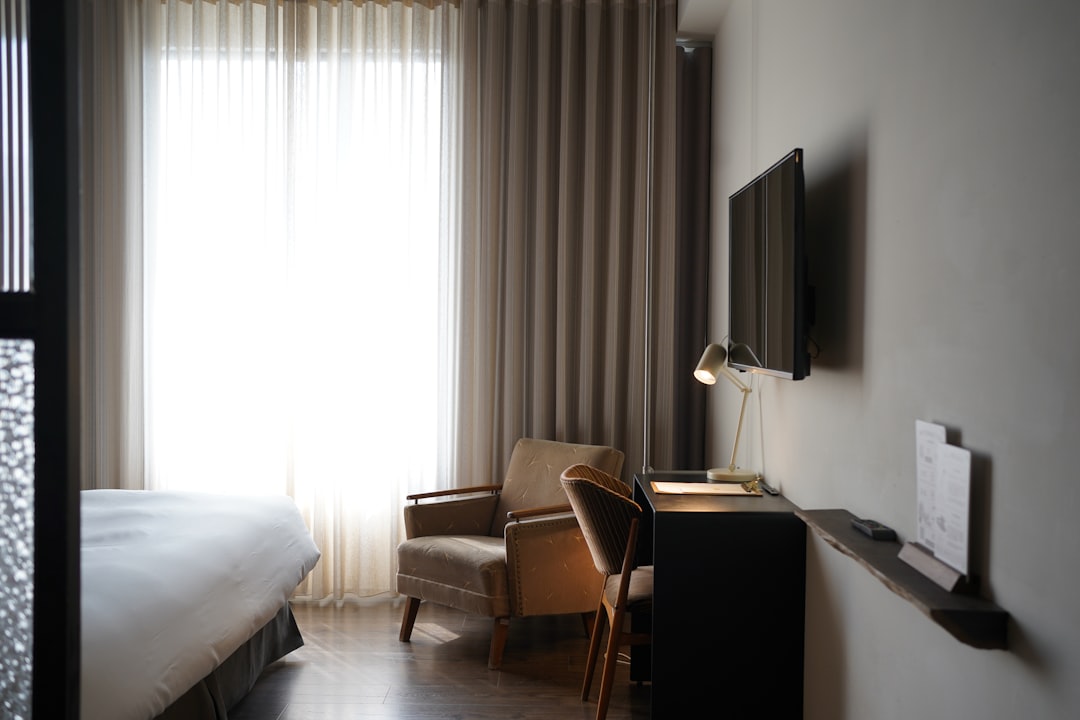
Executive summary: A hotel furniture specification is not a list of preferred materials. It is a measurable contract that connects every decision point from design through handover. This pillar page covers the essential sub-topics: contract-grade vs. residential differences, the hospitality FF&E material matrix, guestroom furniture standards, fire compliance, low-emission requirements, scratch-resistant casegoods, millwork engineering drawings, warranty evaluation, and a procurement buying guide.
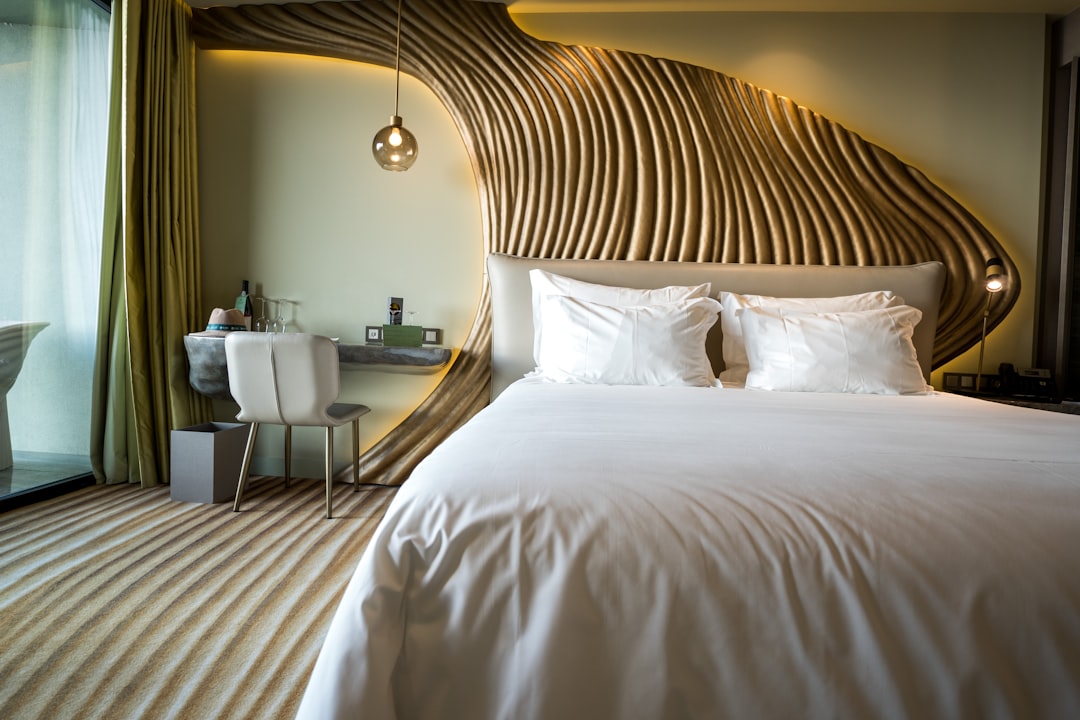
Learn more about hotel furniture project case studies.
Learn more about Wyndham Grand furniture standards and casegoods engineering.
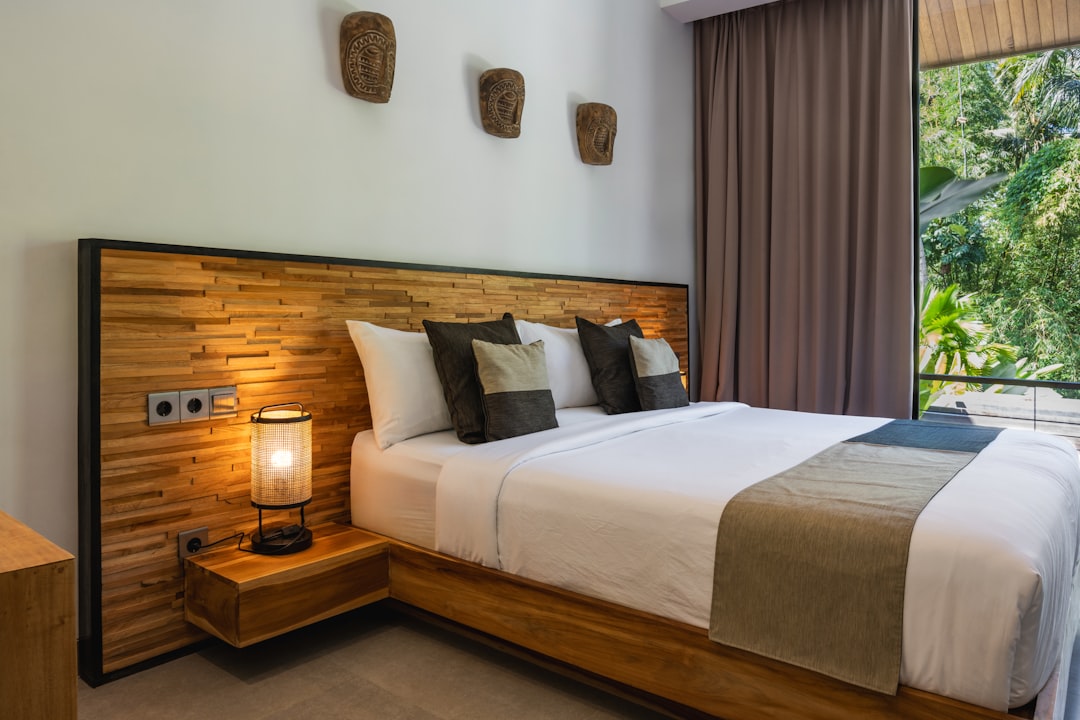
Learn more about hospitality casegoods project gallery.
- Introduction: The Cost of One Mistake
- What Makes Contract-Grade Hospitality Furniture Different?
- Build the Hospitality FF&E Material Matrix Before Requesting Prices
- Hotel Guestroom Furniture Standards by Product Type
- Fire Compliance: CAL TB 117-2013, BS 5852 and the Standards Buyers Misuse
- Low-Emission and Eco-Friendly Contract Furniture Without Greenwashing
- Anti-Scratch Hospitality Casegoods: Specify Performance, Not Adjectives
- Hotel Millwork Engineering Drawings and the Submittal Workflow
- How to Evaluate a 10-Year Commercial Furniture Warranty
- Hotel Furniture B2B Buying Guide: From RFP to Handover
- Frequently Asked Questions
What Makes Contract-Grade Hospitality Furniture Different?
A common misconception is that contract-grade hospitality furniture simply uses heavier materials. In reality, the difference lies in measurable performance requirements, repeatable production consistency, and documented compliance. The following table compares typical residential procurement with contract-grade specifications.
| Dimension | Residential / Retail Approach | Contract-Grade RFP Requirement |
|---|---|---|
| Design Basis | Appearance, size, unit price | Room type, usage frequency, cleaning method, installation interface, replacement strategy |
| Hardware | Brand or “soft-close” description | Model, load rating, cycle standard, material, corrosion resistance, post-cycle function, spare parts |
| Upholstery | Material name and color only | Test method, abrasion result, pilling, seam slippage, colorfastness, cleaner compatibility, fire-test combination |
| Woodwork | Board name and finish | Core performance, edge banding, veneer match, moisture content, fasteners, joinery, tolerances, shop drawings |
| Fire Compliance | Generic “fire retardant” label | Country, occupancy, product category, test standard, ignition source, sample construction, report scope |
| Environmental | E0/E1 marketing terms | Destination regulation, TPC certificate, board batch, VOC or product-level emission certification |
| Quality Acceptance | Visual check and single-unit trial | Mock-up, first article, in-process inspection, AQL, 100% check on critical items, NCR close-out |
| Warranty | Single blanket period | By component (structure, hardware, finish, electrical); labor, shipping, response time, exclusions defined |
Contract-grade hospitality furniture must survive 500+ room turnovers per year, frequent cleaning, guest misuse, and intermittent renovations. A hotel furniture specification that copies residential norms will fail within three years. For example, a 20,000-cycle drawer slide rated under ANSI/BHMA A156.9-2026 is appropriate for a guestroom chest, while a residential slide rated for 10,000 cycles will fail before the first refurbishment cycle. The key is to specify the exact standard, grade, and acceptance criteria, not a vague phrase like “commercial duty.”
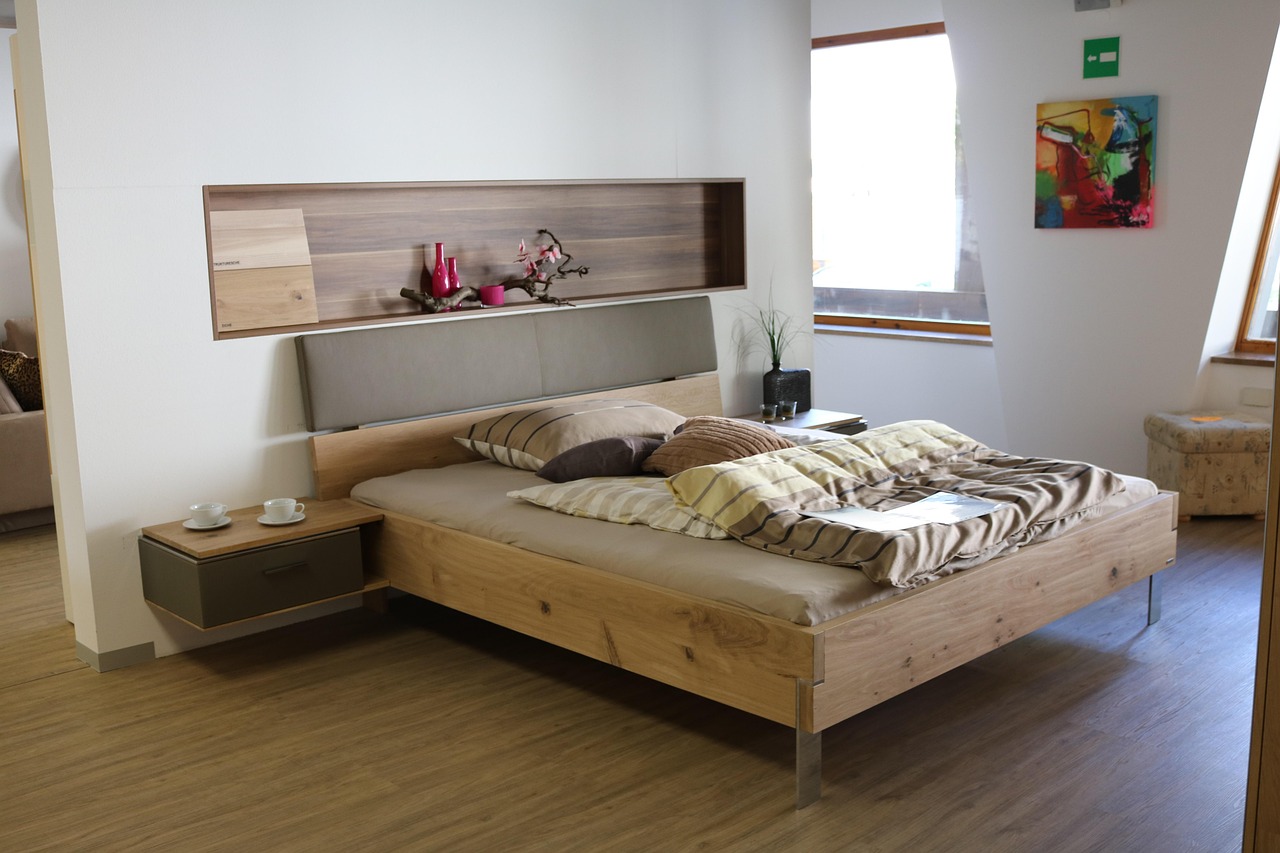
At this point, a well-written hotel furniture specification serves as the single source of truth for procurement, quality control, and handover. Without it, the developer assumes risk for every substitute material and alternative finish.
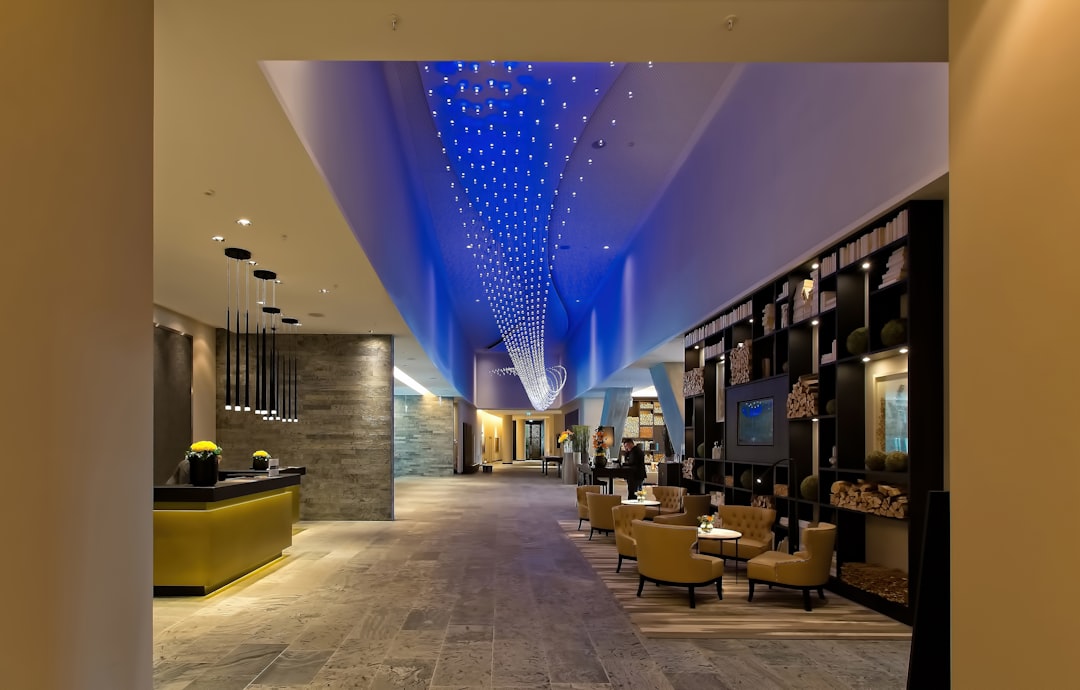
Build the Hospitality FF&E Material Matrix Before Requesting Prices
Why a Material Matrix is Non-Negotiable
Requesting prices without a hospitality FF&E material matrix is like asking for a bid on a house with no blueprint. The matrix forces you to define every material layer before a single quote is issued. It should cover: substrate, veneer or HPL, hardware, upholstery, foam, paint finish, electrical integration, packaging, and warranty terms. Each line item must reference a specific test standard, submission requirement, and acceptance milestone.
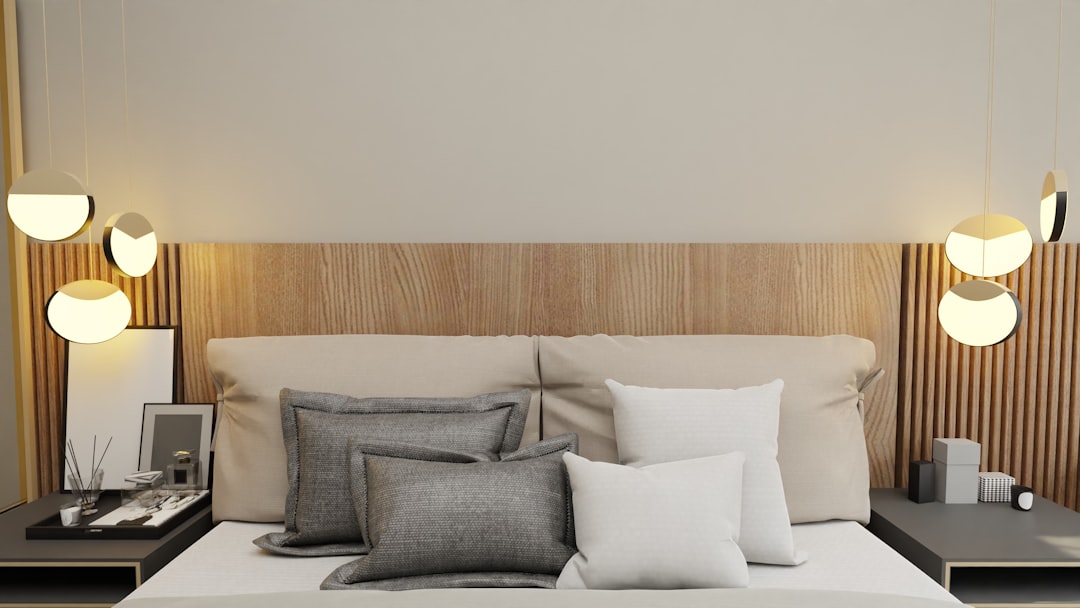
Key Components of the Matrix
Substrate: Specify board type, thickness, thickness swell per ASTM D1037, screw withdrawal, fire classification required by local code, and TSCA Title VI compliance if the destination is the United States. Do not simply write “high-density fireproof board”—define the test method and acceptance level.
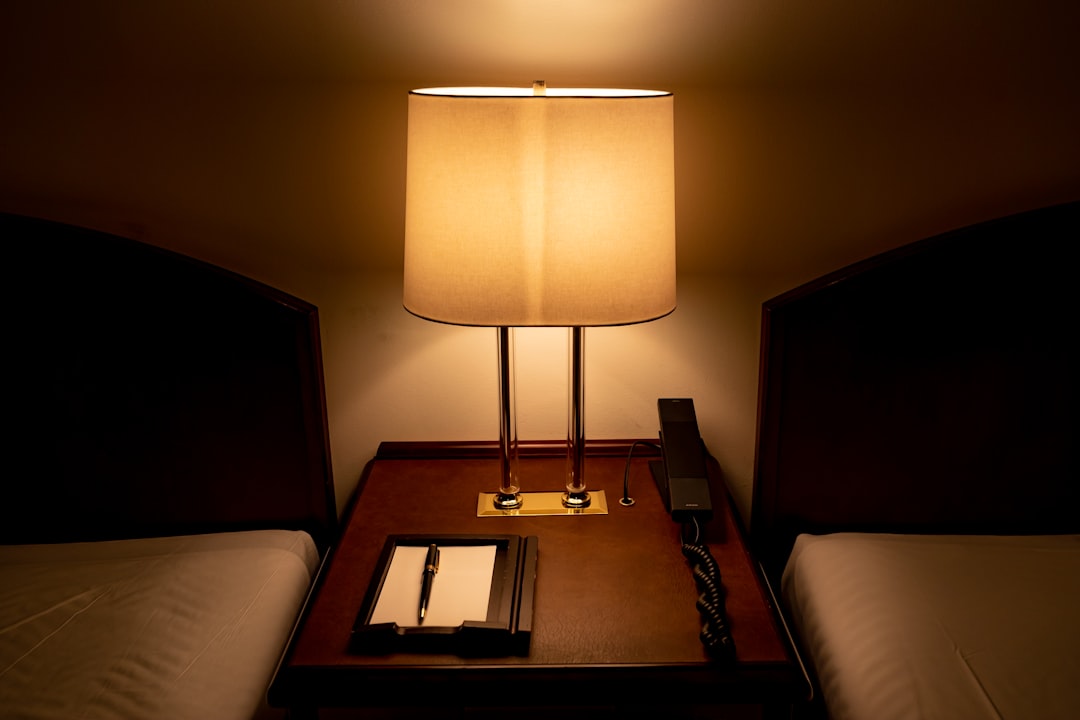
Veneer: State species, cut (e.g., plain sliced), leaf match, panel match, flitch sequence, color tolerance, and minimum finished thickness. The Architectural Woodwork Institute (AWI) requires sufficient thickness so that sanding and coating do not expose the core.
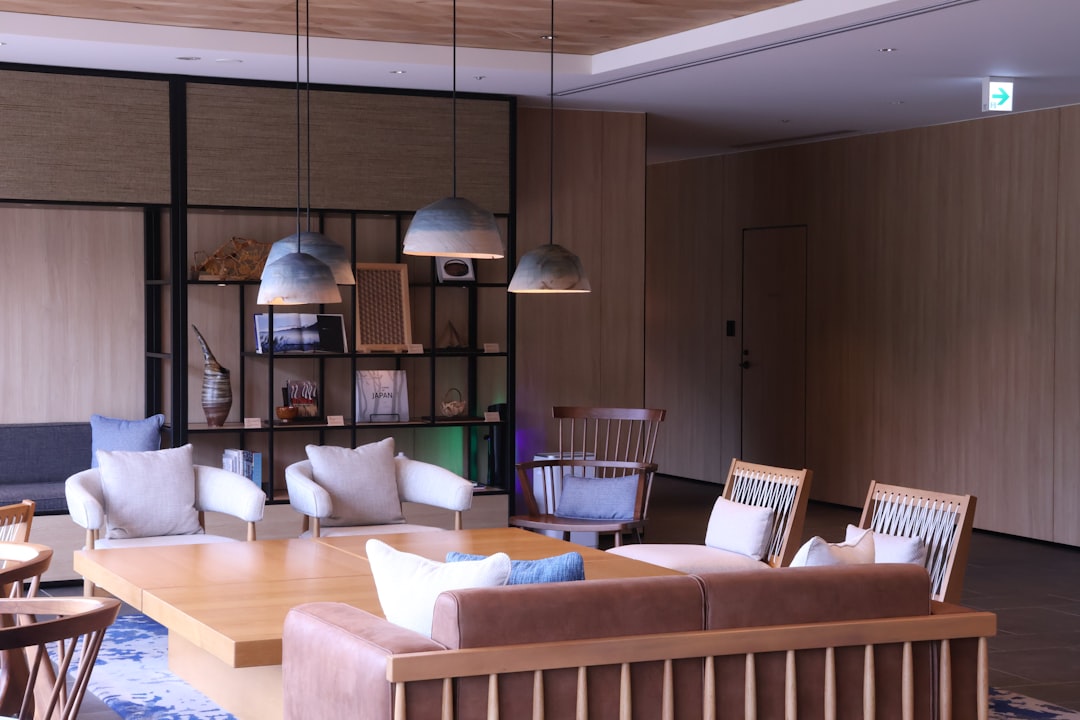
HPL/TFL: Specify grade, wear resistance per NEMA LD 3, stain resistance, boiling water resistance, impact resistance, and edge treatment. For anti scratch hospitality casegoods, NEMA LD 3 performance classes provide measurable criteria—do not trust generic claims.
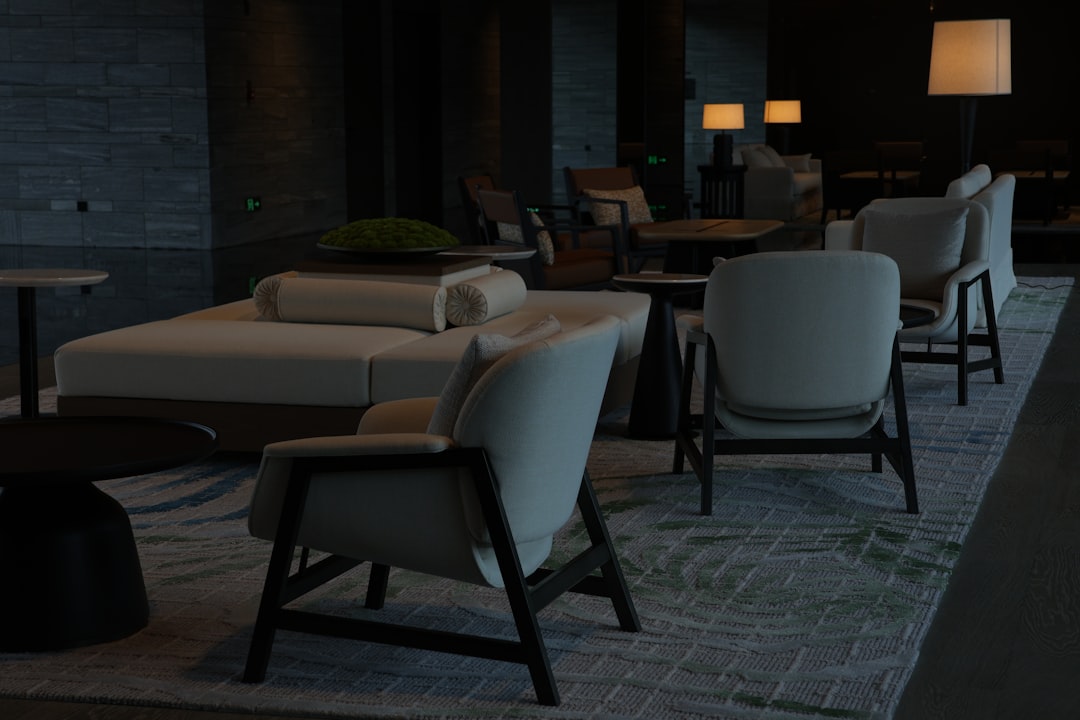
Hardware: For casegoods, reference ANSI/BHMA A156.9-2026. Include model, grade, rated load, cycle requirement, corrosion resistance (e.g., 48-hour salt spray test), and spare parts commitment. A hotel furniture specification that only says “soft-close” is unenforceable.
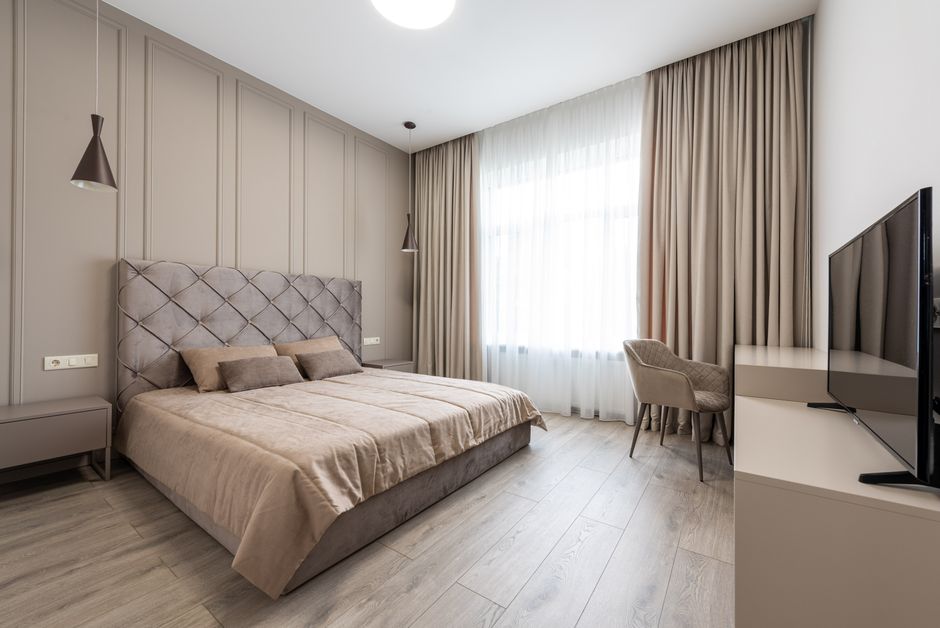
Upholstery: Specify abrasion test method (Martindale or Wyzenbeek), minimum cycles, pilling rating, seam slippage, colorfastness to light and cleaning, and the exact fire-test combination required. The Association for Contract Textiles cautions that abrasion results alone do not predict lifespan—use multiple criteria.
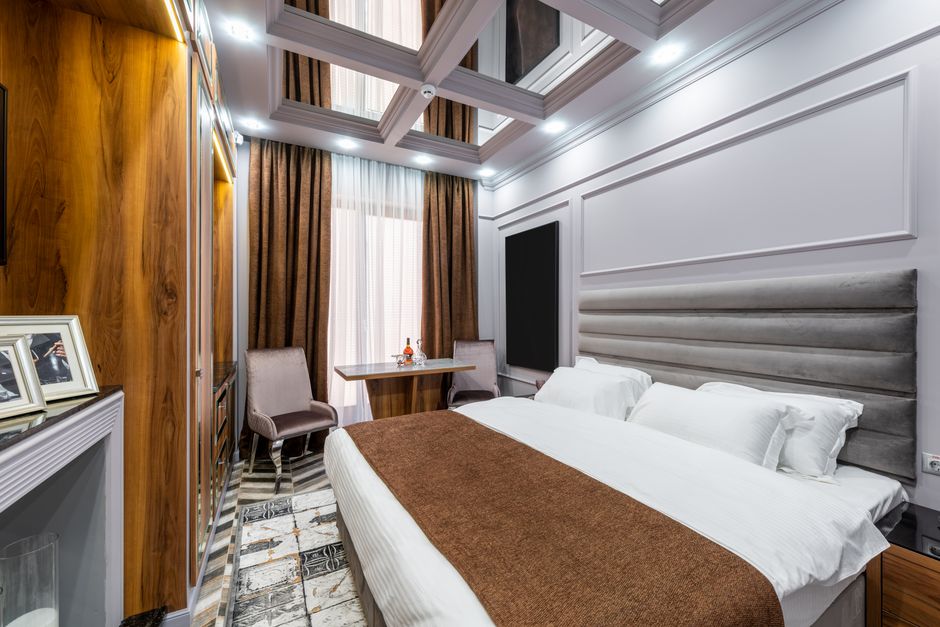
Foam/Filling: Density, ILD, resilience, compression set, and the precise fire-test combination (e.g., CAL TB 117-2013 smoldering cigarette test for covered components).
Finish: Color, gloss level, film thickness, adhesion, chemical resistance, and VOC content of coatings. Submit TDS and SDS.
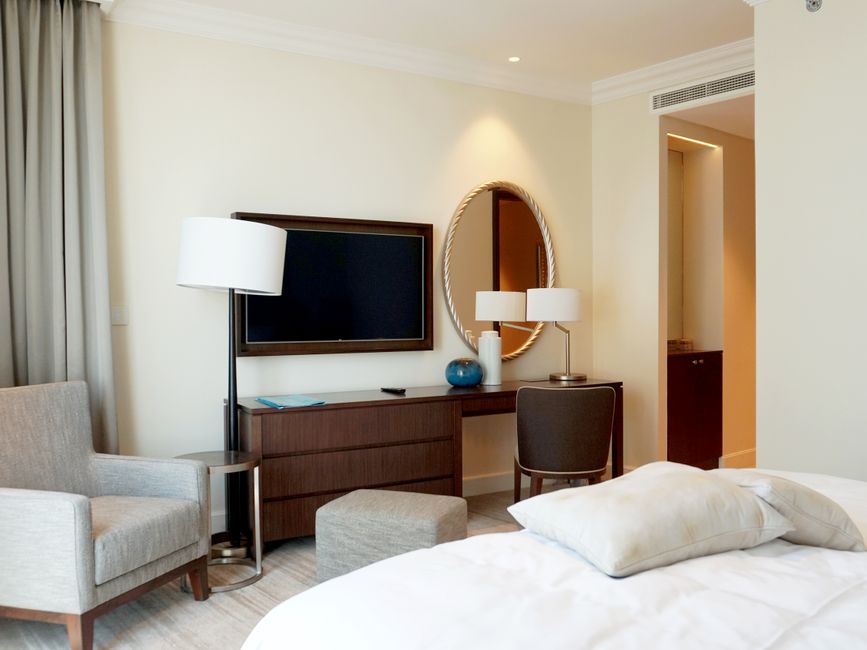
Electrical Integration: Receptacles, USB ports, LED drivers, wire channels, access panels, and certification marks (UL, CE, etc.). Specify mock-up verification.
Packaging: KD or assembled, moisture barrier, corner protection, room-labeling, and spare parts packing. Provide a packing plan and container loading diagram.
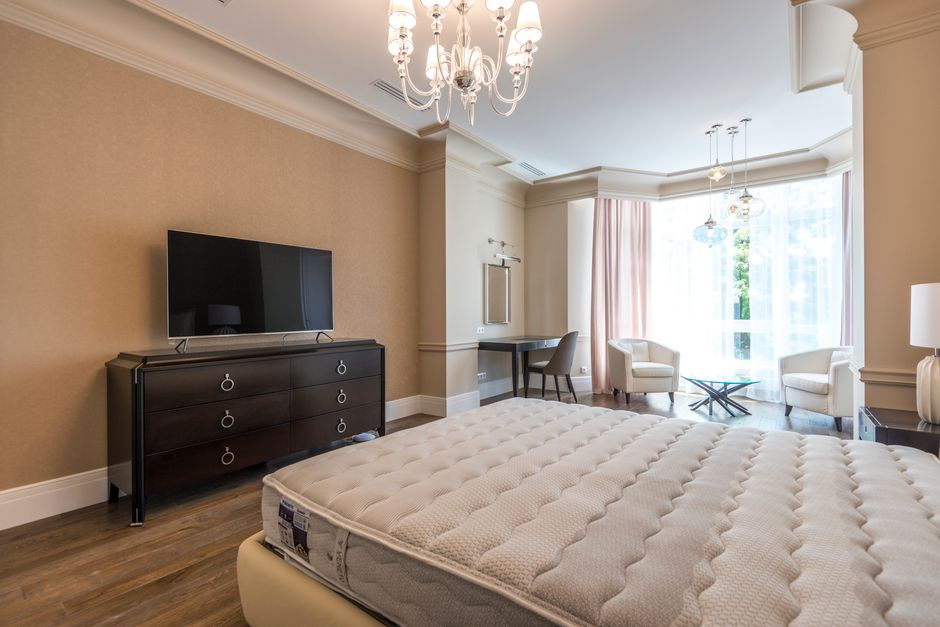
Once the hotel furniture specification matrix is complete, share it with shortlisted suppliers as the basis for pricing. This eliminates ambiguity and allows apples-to-apples comparison. At Zhobai Hotel Furniture, we have used this matrix format for projects ranging from 50-room boutiques to 500-room flagship resorts, and it consistently reduces change orders by over 30%.
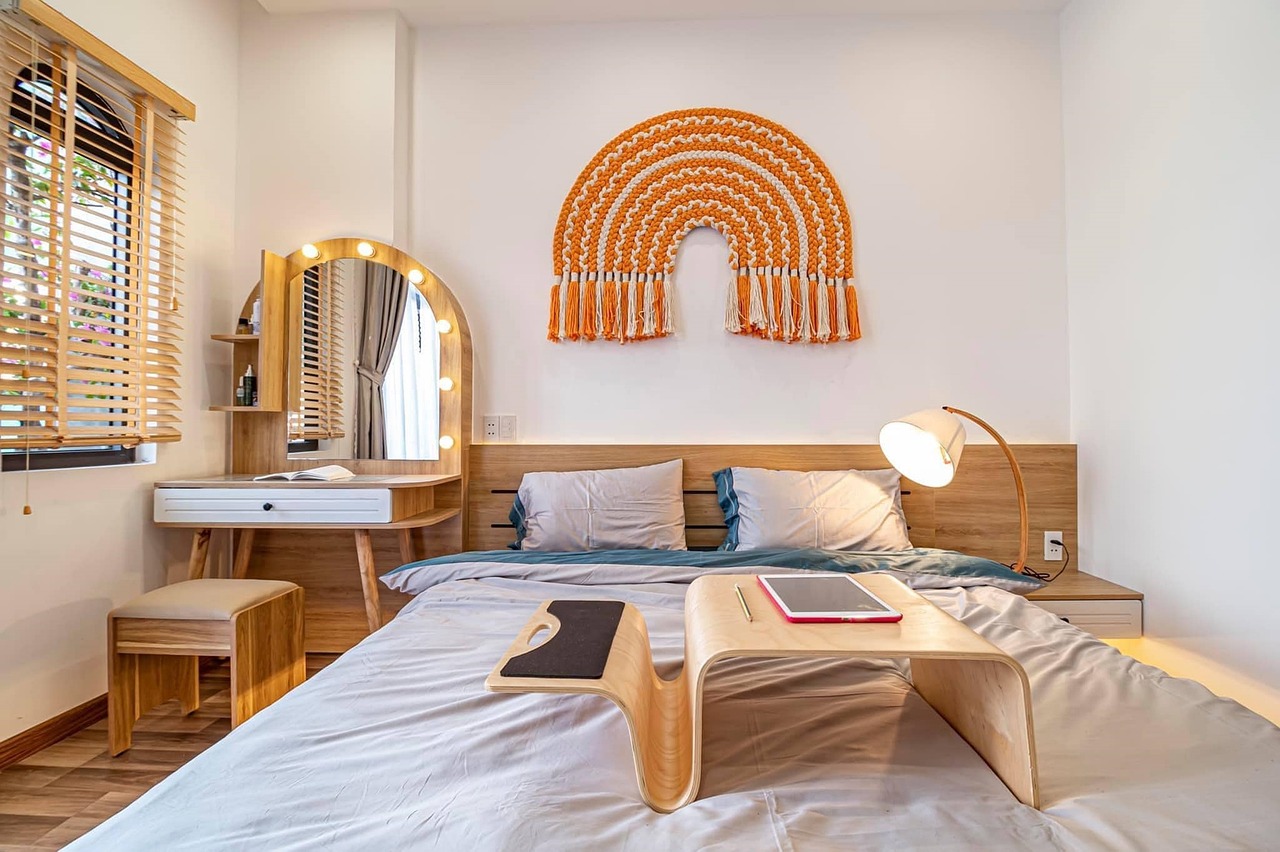
Hotel Guestroom Furniture Standards by Product Type
Nightstands, Desks, and TV Consoles
Each guestroom piece has specific structural and interface requirements. For a nightstand (bedside table), the top surface must resist scratches and water rings—specify a minimum 0.8mm HPL or a lacquer with chemical resistance. Drawer hardware should survive 50,000 cycles per ANSI/BHMA Grade 1 if used in high-turnover hotels. The electrical outlet cut-out must be pre-drilled to match the specified backbox depth.
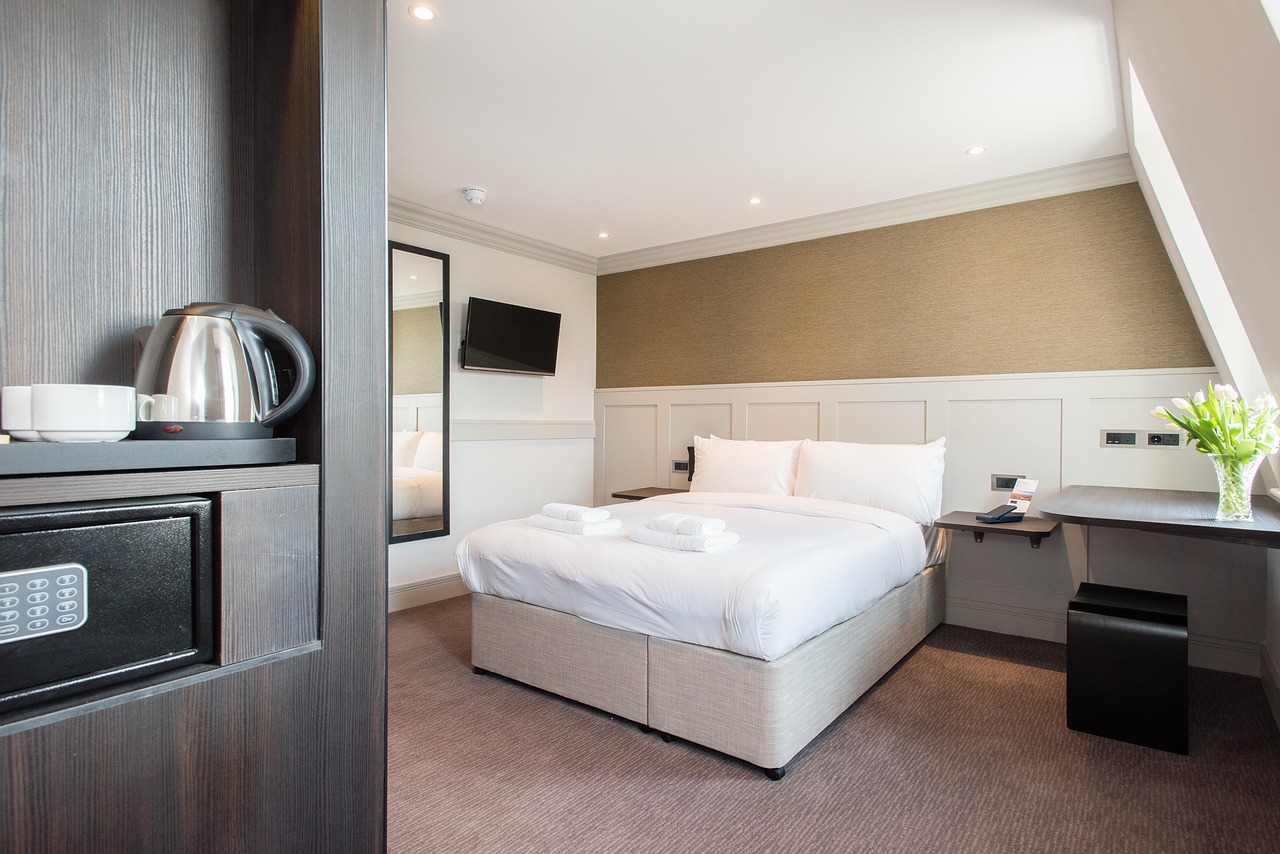
Desks must support a 30kg static load on the work surface without deflection exceeding L/240. Cable management grommets must be positioned to align with the room’s data outlet. TV consoles require ventilation for electronics and a serviceable rear access panel.
Wardrobes and Closet Systems: The critical dimension is hanging rod height—typically 1600-1700 mm for shirts and 1100 mm for folded trousers. Internal drawers must be rated for 40 kg load with full-extension slides. The hanging rod itself must be 25 mm diameter stainless steel tube, wall thickness 1.2 mm minimum. Wardrobe doors should be hinged or sliding; if sliding, the track system must be rated for 20,000 cycles and be field-adjustable.
Headboards: Often veneered or upholstered. If upholstered, the foam must comply with local fire standards (e.g., BS 5852:2006 Ignition Source 0 and 1 for UK projects). The headboard must cover the wall-mounted bed bracket and provide space for reading lights, which must be coordinated in the shop drawing.
Luggage Racks: Usually folding or fixed. They must support a 50 kg load without collapse. The top surface should be scratch-resistant (HPL or solid wood with a hard-wax finish). Specify a non-slip pad or retainer bar to prevent luggage sliding.
In each case, the hotel guestroom furniture standards must include tolerances for installation: floor leveling, wall plumb, and coordination with adjacent millwork. A mock-up room built from the actual production drawings is the only way to verify these interfaces before mass production.
Fire Compliance: CAL TB 117-2013, BS 5852 and the Standards Buyers Misuse
Understanding the True Scope
Fire compliance in hotel furniture is often misunderstood because buyers lump different regulations into a single phrase like “fire-resistant.” In reality, fire testing is jurisdiction-specific and product-specific. For upholstered furniture in the United States, California Technical Bulletin 117-2013 (CAL TB 117-2013) tests the resistance of fabric, barrier, filling, and welt cord to a smoldering cigarette ignition. It is not an open-flame test for the entire piece of furniture, nor does it apply automatically to all 50 states—some jurisdictions have additional requirements.
For projects in the UK or influenced by British standards, BS 5852:2006 is the method of test for assessing the ignitability of upholstered seating by smoldering and flaming ignition sources. The standard does not specify which ignition source to use; that is determined by the project’s risk assessment or local regulations. Writing “BS 5852 compliant” in a hotel furniture specification is insufficient—you must state the exact ignition source (e.g., Crib 5) and the material combination tested (cover, barrier, foam, interliner).
Fire compliance is not a material adjective. It is a traceable relationship between the destination, occupancy, product type, ignition source, tested material combination, and the exact production batch. The hotel furniture fire rating compliance specifications should include: jurisdiction, building code, occupancy, product category (e.g., upholstered seating, mattress, curtain), the specific test standard and version, required ignition source, sample construction, laboratory accreditation, and pass/fail criteria. Additionally, any material substitution (e.g., a different fabric) requires re-testing or a documented assessment from the supplier.
Many developers mistakenly assume that a single report covers all future production. In fact, a fire test report is valid only for the exact combination of materials tested. If the supplier changes the foam density or the fabric backcoating, the report may no longer apply. The specification should require that production materials match the tested composition and that the manufacturer provides a letter of conformity for each production batch.
Low-Emission and Eco-Friendly Contract Furniture Without Greenwashing
TSCA Title VI and Beyond
For composite wood products sold in the United States, the EPA’s TSCA Title VI (effective March 2019) sets formaldehyde emission limits for hardwood plywood, MDF, thin MDF, and particleboard. A hotel furniture specification for a U.S. project must require TSCA Title VI compliance, with EPA-recognized third-party certifier (TPC) labels on each board or finished article. Simply writing “CARB P2” is no longer sufficient—TSCA Title VI supersedes it and is the current legal standard.
For eco-friendly contract furniture manufacturer credentials, request product-level GREENGUARD Gold certification from UL. This certification tests for over 10,000 chemicals and is recognized by many green building rating systems. Low-VOC paint does not automatically make the finished furniture GREENGUARD certified; the entire assembled product must be tested in a chamber. Avoid absolute terms like “100% eco-friendly” or “zero VOC” unless supported by a specific test report.
Other environmental attributes to specify: FSC or PEFC chain-of-custody certification for wood products, recycled content for metal components, and water-based adhesives for edge banding. The specification should require submission of the supplier’s environmental policy, certificates, and a list of restricted substances.
Anti-Scratch Hospitality Casegoods: Specify Performance, Not Adjectives
NEMA LD 3 and Surface Durability
Hotels need casegoods that resist scratches from luggage, cleaning equipment, and daily use. Instead of specifying “scratch-resistant” (which is unmeasurable), reference NEMA LD 3 performance standards. For high-pressure laminate (HPL), specify the grade (e.g., HGS for horizontal general use or HGP for high-pressure decorative laminate), wear resistance (cycles to wear-through), stain resistance, boiling water resistance, and impact resistance. Each property has a specific test method and result requirement.
Edge banding is often the weak point. Specify that edges must be treated with PUR hot-melt adhesive and be seamless to the touch. For casegoods in high-traffic public areas, consider a solid-grade HPL with a textured finish to hide minor scratches. The hotel furniture specification should also address repairability: the supplier must document how to repair a scratch on-site (touch-up kit, refinishing procedure, or component replacement).
Real-world testing in a mock-up room is advisable. Run a key across the surface, drag a suitcase corner, and clean with typical hotel chemicals. Only then will you know if the specified material meets the anti scratch hospitality casegoods requirement.
Hotel Millwork Engineering Drawings and the Submittal Workflow
What Shop Drawings Must Include
Hotel millwork engineering drawings are the bridge between design intent and factory production. They must include: general arrangement plans showing room coordinates, finished wall lines, and product positions; elevations with dimensions, joint lines, wood grain direction, outlet locations, and base profiles; sections and details showing panel thickness, substrate, joinery methods, edge details, back panels, anchors, and access; MEP coordination for electrical boxes, USB ports, LED tape, driver placement, and cable routing; hardware schedule with brand, model, location, load rating, and finish; finish matrix referencing material ID, color, gloss, grain direction, and sample approval number; and revision control with RFI responses, approver initials, date, and the final freeze version.
A common risk is that the general arrangement drawing misses the coordination between the headboard and the bed bracket, or between the TV console and the wall-mounted TV arm. Such errors often surface only at installation, causing delays and costly rework. The specification should require a mock-up approval before releasing the drawings for production.
The submittal workflow should flow: preliminary drawings for review and RFI resolution → approved for construction (AFC) drawings → golden sample approval → mock-up sign-off → production release. Each milestone must have a sign-off from the owner or their representative.
How to Evaluate a 10-Year Commercial Furniture Warranty
What the Warranty Actually Covers
Many hotel furniture specifications include a “10-year warranty” as a quality indicator. But warranty terms vary widely. A commercial furniture warranty 10 years must be broken down by component: structure/body (no cracking, joint failure, or abnormal deflection under normal use); hardware (slides and hinges complete their intended function); finishes (no delamination, peeling, or blistering); electrical components (defective within rated conditions).
Critical exclusions to check: installation errors, misuse, building moisture, normal wear and tear, scratches, and cleaning chemical damage. The warranty should specify remedy (repair, part replacement, or full replacement), labor coverage (onsite or merchant only), shipping costs (international freight is often excluded), response time (e.g., 72 hours for acknowledgement, 30 days for parts), and spare parts availability (minimum 7 years after last production).
A warranty schedule should be part of the contract, not a separate document. The hotel furniture specification should require the supplier to submit their standard warranty and then negotiate any gaps. At Zhobai, we issue a component-based warranty that defines failure modes, response, and spares commitment in writing—this gives the owner predictable cost exposure over the life of the furniture.
Hotel Furniture B2B Buying Guide: From RFP to Handover
Supplier Pre-qualification and RFP
The procurement process for hotel furniture should follow a structured path: pre-qualify suppliers based on ISO 9001 certification, previous hotel projects, production capacity, and financial stability. Issue a Request for Proposal (RFP) that includes the project schedule, room counts, brand standards, and the hotel furniture specification matrix. Require bidders to submit a Bill of Quantities (BOQ) with unit prices, lead times, and sample submissions.
Sample and Mock-up Stage: After qualifying, require material samples for approval—upholstery swatches, veneer leaves, hardware models, and paint chips. Then build a full mock-up room using the production drawings. The mock-up allows verification of dimensions, finish, light interaction, and installation fit. Only after mock-up approval should the production go ahead.
Factory Inspection and Quality Control: Conduct a mid-production inspection to check raw materials, workmanship, and adherence to approved samples. Use AQL sampling (e.g., ANSI/ASQ Z1.4) for dimensional checks and appearance. For critical items like fire-rated components, perform a 100% check.
Logistics and Installation: Specify packaging standards for trucking and overseas shipment. A container loading plan should be submitted in advance. For installation, the supplier should provide a site supervisor for the first room to ensure correct assembly and anchoring.
Handover and Punch List: After installation, conduct a joint inspection. Create a punch list for any defects or damages. The supplier must assign a contact for warranty claims and spare parts requests.
This complete hotel furniture b2b buying guide reduces risk of budget overruns and schedule delays. It is applicable to any hotel project regardless of size.
Frequently Asked Questions
1. What is the difference between contract-grade and residential furniture?
Contract-grade furniture is designed for heavy daily use, with documented performance standards for cycle life, fire safety, and durability. Residential furniture lacks the testing and consistency required for hotel environments.
2. Do I need BS 5852 certification for my hotel in the Middle East?
It depends on the project location and brand requirements. Some Middle Eastern countries adopt British standards; others have their own. Always verify with local fire authorities and the brand’s technical services team.
3. Can I specify CARB P2 instead of TSCA Title VI?
For U.S. projects, TSCA Title VI is the current law. CARB P2 was a precursor and is no longer accepted as the sole compliance path. Use TSCA Title VI with an EPA-recognized TPC.
4. How many cycles should guestroom drawer slides last?
For general guestroom use, 50,000 cycles per ANSI/BHMA Grade 1 is recommended. For suites or high-turnover properties, specify Grade 1 with 100,000 cycles.
5. What is the best way to verify fire compliance?
Require the supplier to provide a fire test report from an accredited laboratory for the exact material combination used. The report must specify the test method, ignition source, and sample construction. Do not accept a generic certificate.
6. Is a 10-year warranty standard in hospitality?
It is common for structure and hardware, but check exclusions and component scope. Many warranties do not cover labor, freight, or normal wear. A component-based warranty schedule is more reliable.
A hotel furniture specification is a living document that governs a complex supply chain. Every detail matters. Download the full hospitality FF&E material matrix template to start building your own. If you need assistance with specification development, our team can review your project requirements and help align them with measurable standards and production capabilities.
ZHOBAI HOTEL FURNITURE
Ready to Apply These Principles to Your Project?
Our engineering team responds to all project briefs within 24 hours. Share your FF&E scope — room count, property type, target timeline, and budget range — and we’ll provide a factory-direct assessment and indicative pricing within one business day.