Evaluating hotel furniture project case studies requires more than glancing at finished photographs. A credible case study should reveal the decision trail — from brand matrix to shop drawing, from mock-up room to final punch list. This pillar page examines how engineering shop drawings, mock-up rooms, and material compliance transform a designer’s concept into a buildable FF&E package. We analyze three project types — luxury millwork, modular high-volume delivery, and boutique renovations — using real examples to illustrate the engineering behind international brand standards.
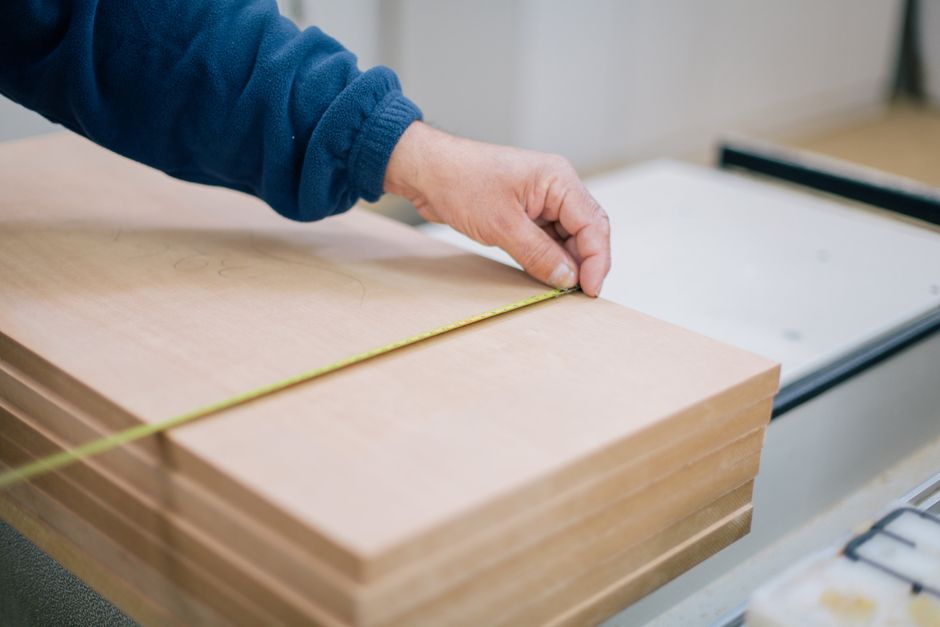
Executive Summary
International hotel brands demand rigorous specification and verification. This article provides a framework for evaluating hotel furniture project case studies, covering brand matrix interpretation, shop drawing development, mock-up room execution, material compliance, and delivery logistics. By understanding these elements, procurement teams can avoid costly rework and ensure that every room meets the required standards.

Learn more about Wyndham Grand Zhaoqing Downtown FFE Case Study.
- Executive Summary
- What International Hotel Brand Standards Actually Contain
- From Interior Concept to Contract Furniture Shop Drawings
- Case Study 1: Kempinski-Style Luxury Millwork
- Case Study 2: Wyndham Grand-Style Modular Delivery
- Case Study 3: Boutique Hotel Furniture in Paris
- Why a 1:1 Mock-Up Room Prevents International Rework
- The International Hotel Chain FF&E Compliance Matrix
- How to Evaluate a Hotel Furniture Project Portfolio
- Frequently Asked Questions
What International Hotel Brand Standards Actually Contain
Wyndham Hotels & Resorts operates approximately 8,400 hotels across 100 countries as of 2026. Kempinski, founded in 1897, manages 82 hotels and residences in 35 countries, with over 28 developments in the pipeline. These numbers illustrate a fundamental challenge: each hotel must deliver a consistent brand experience while adapting to local regulations, building codes, and market expectations. The solution is a structured FF&E matrix that translates brand intent into controlled procurement data.
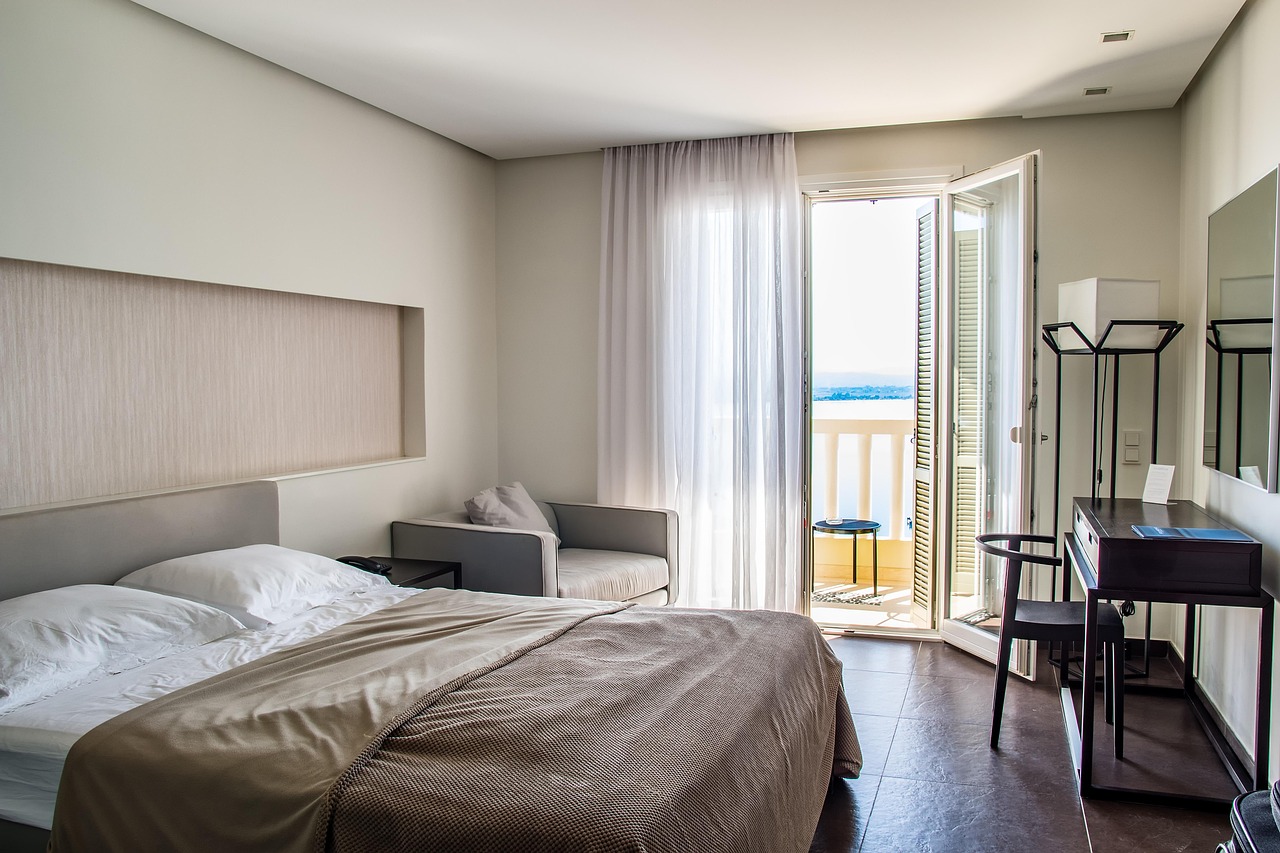
A complete brand standard package includes several layers. The Brand Intent document defines the target guest, design narrative, color palette, and operational scenarios. The Room Type Matrix lists every room category — King, Twin, Suite, Accessible, Connecting — along with quantities and furniture differences. The FF&E Item Matrix assigns an Item Code, description, dimensions, materials, finishes, hardware, testing requirements, responsible party, and approval status for each piece. Wyndham’s public development process, described on their “Build a New Hotel” page, explicitly states that FF&E specifications and construction documentation are reviewed during the Documentation phase. This means that every hotel furniture project case study credible enough for a brand approval must show how the matrix was populated, revised, and frozen.
From Design Narrative to Data
The brand intent might say “modern elegance with warm wood tones.” The matrix translates that into specific wood species, cut, grain direction, and finish protocol. For example, a Kempinski project might specify quarter-sawn European oak with a closed-pore lacquer, 0.6mm veneer thickness, and a gloss level of 30%. The matrix also includes performance specs: 18mm E0-grade MDF core, 0.6mm ABS edge banding, and 40kg-rated drawer runners for casegoods. These details are not decorative; they determine cost, lead time, and durability.
Version Control and Approval States
Each revision of the FF&E matrix must be tracked with a unique revision number and date. Approved status is recorded after internal QC, brand review, and client sign-off. Without this log, a later dispute over material substitution becomes impossible to resolve. A robust hotel furniture project case study will include a revision history that shows how changes were managed from concept to production.

From Interior Concept to Contract Furniture Shop Drawings
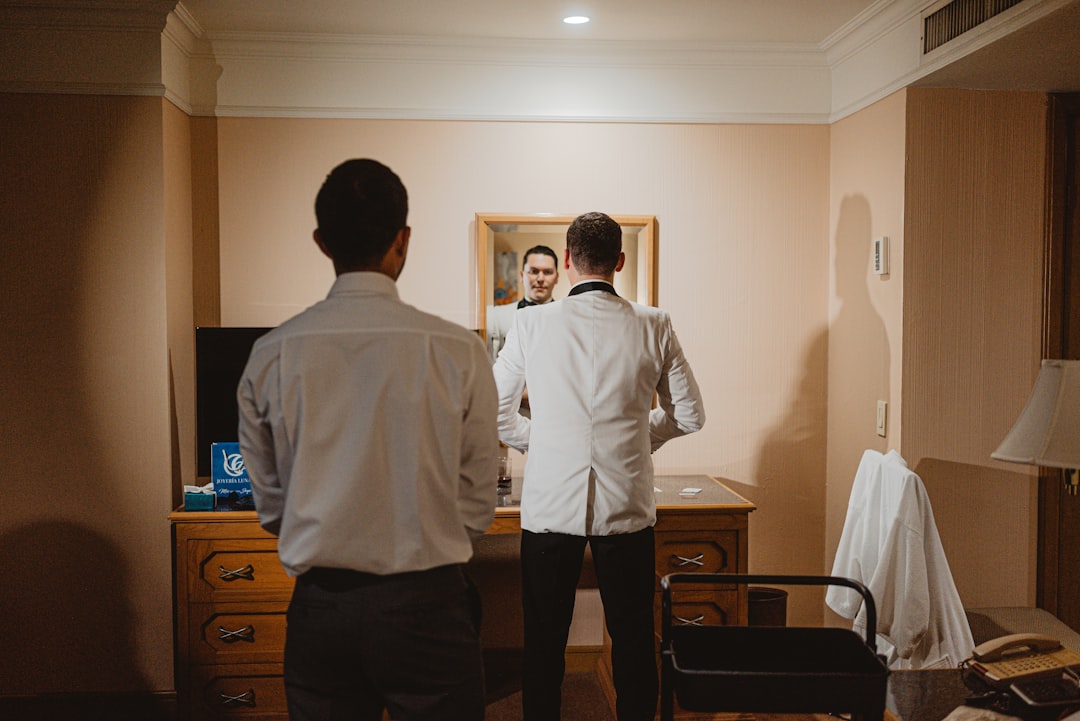
A shop drawing is the bridge between an interior designer’s vision and a factory’s production line. As Autodesk notes, shop drawings are prepared before construction and coordinated among the design team, owner, contractor, and subcontractors. They convert design intent into manufacturing and installation details. For hotel furniture, a shop drawing package typically includes plan views, elevations, sections, joinery details, hardware locations, edge banding profiles, veneer direction indicators, cutouts for electrical and data ports, and fixing methods to walls or floors.
The Bill of Materials and Hardware Schedule
Every shop drawing is accompanied by a Bill of Materials (BOM) that lists every component, its material grade, dimensions, and quantity. The hardware schedule specifies brand, model, finish, and load rating for hinges, drawer slides, locks, and pulls. For international projects, the BOM must also include the country of origin for compliance with import duties and trade agreements. Contract furniture engineering shop drawings for a 500-room hotel can run into hundreds of pages, each annotated with the appropriate revision.
Electromechanical Coordination
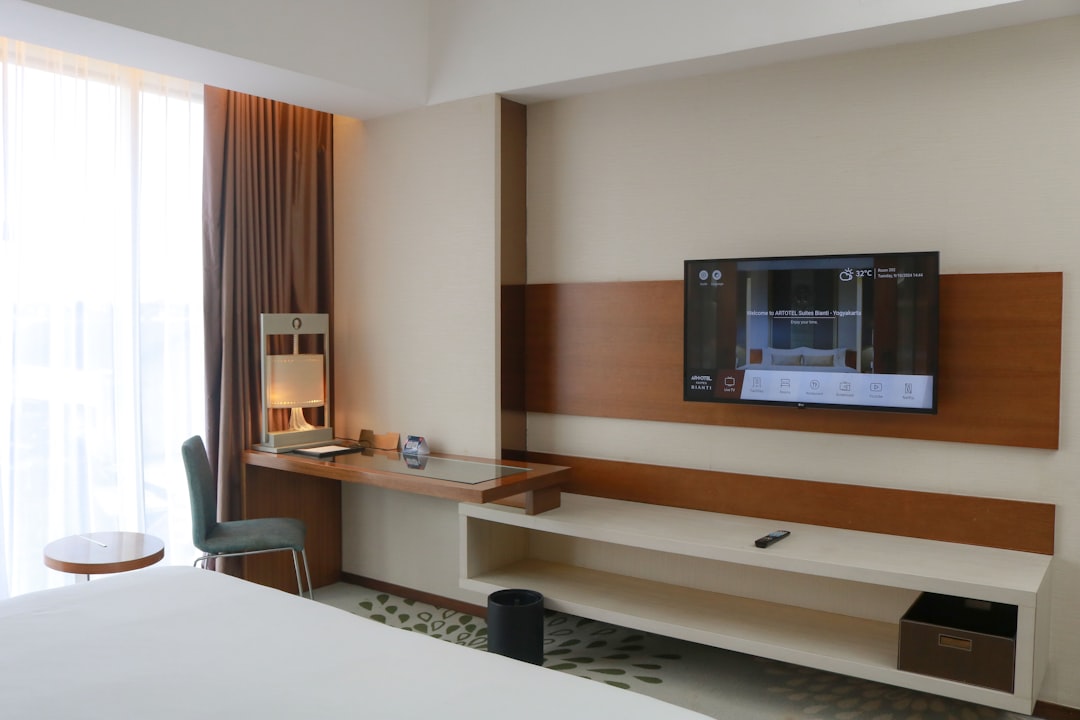
Modern hotel rooms integrate lighting, USB ports, power outlets, and sometimes smart controls. Shop drawings must show the exact location of every cutout and the routing of cables behind panels. A bedside table that arrives without a cutout for the universal charger will cause on-site rework, delaying room turnover. The shop drawing review phase is where these conflicts are resolved — before the first piece enters production. This level of detail is what separates a true hotel furniture project case study from a simple product gallery.
Case Study 1: Kempinski-Style Luxury Millwork
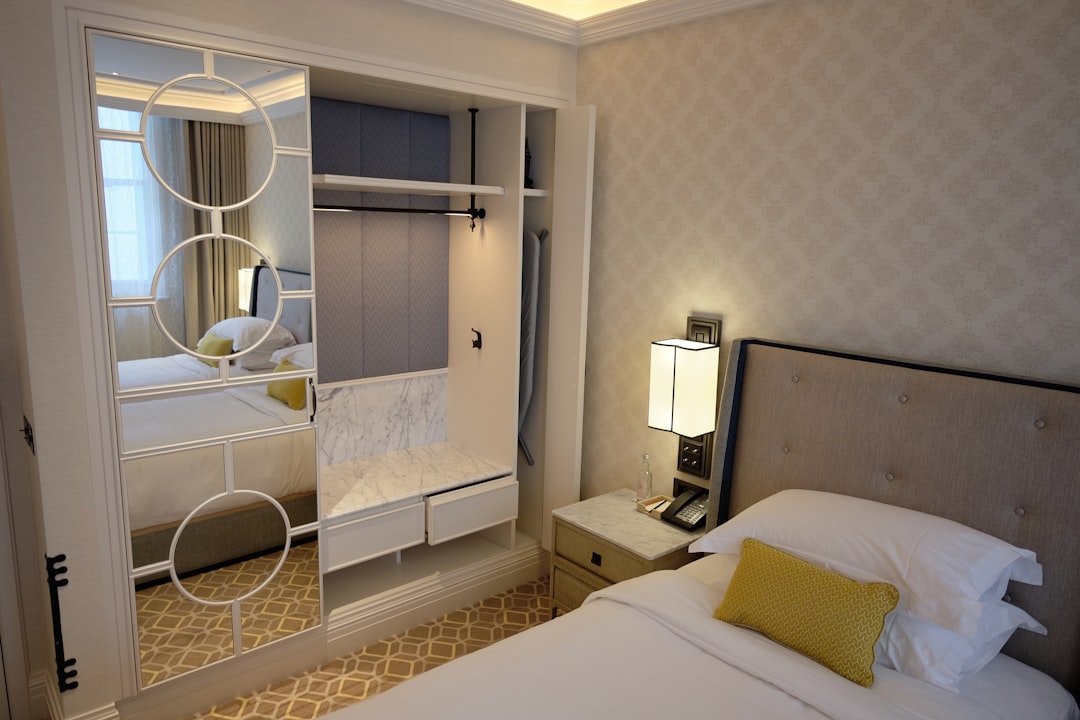
Luxury hotel millwork is not about complexity for its own sake; it is about controlling the natural variability of materials. Natural wood veneer, stone, and metal each have unique characteristics that must be accounted for in the engineering and manufacturing process. A Kempinski project, such as the 366-room renovation in Guiyang delivered by Zhobai Hotel Furniture, demonstrates this approach.

Veneer Grading and Matching
When a designer specifies open-pored white oak, the factory must select veneer flitches with consistent color and grain. The match type — book match, slip match, or random match — is defined in the shop drawing. For book-matched headboards, consecutive leaves are opened like a book, creating symmetrical grain patterns. The veneer is then laid on a stable substrate with a balancing veneer on the back to prevent warping. The entire assembly is conditioned to the target humidity before finishing.

Heterogeneous Joints and Climate Risk
Stone tabletops meeting wood frames require careful detailing to accommodate differential expansion. A 10mm expansion gap filled with silicone is common, but the color must match the stone precisely. In regions with high humidity swings, even this can fail. No manufacturer can claim zero risk of cracking; instead, the engineering strategy reduces risk through substrate stabilization, back-sealing, and acclimation at the site for at least 72 hours before installation. This realistic approach is a hallmark of a professional hotel furniture project case study.
Case Study 2: Wyndham Grand-Style Modular Delivery
Wyndham Grand represents a different challenge: high room counts, standardized layouts, and rapid installation. The brand’s development page lists approximately 80 projects in 17 countries. The Zhaoqing Wyndham Grand Downtown, with 630 rooms including 290 spa balconies, is a documented example. For such projects, modularity and repeatability are critical.
Room Type Matrix and Left-Right Versions
Standard room types reduce engineering effort, but variations like left-handed and right-handed layouts for opposite-facing rooms double the shop drawing count. The matrix must track which rooms get left-hand wardrobes and which get right-hand. Pre-drilled and pre-assembled hardware speeds installation: drawer slides come with quick-release mechanisms, and wardrobe doors arrive with hinges and locks pre-fitted. The goal is to reduce on-site labor to a minimum, as many Wyndham Grand projects rely on local contractors unfamiliar with complex assembly.
Testing: Durability vs. Flammability
It is common to see specifications that lump together structural durability and flammability, but they are distinct. California TB 117-2013 tests smolder resistance of upholstered furniture materials. It is not a structural test. A chair that passes TB 117 may still fail after 50,000 cycles on a durability test. The difference matters: durability tests include static load, impact, and cyclic testing (e.g., 100,000 cycles for a drawer slide). A responsible hotel furniture project case study separates these requirements and provides evidence for each.
Case Study 3: Boutique Hotel Furniture in Paris
Boutique hotels often occupy historic buildings with irregular layouts. Hotel Camille in Paris, part of Hilton’s Tapestry Collection, has 55 rooms on six floors. Hilton’s official page confirms these figures. The challenge is to fit custom furniture into spaces with non-parallel walls, existing radiators, and narrow corridors. Flexibility in engineering is more valuable than mass-production speed.
Site Survey and Verification
Before any shop drawing is created, a site survey must measure every room. In old Parisian buildings, walls are rarely perfectly straight. The survey captures deviations up to 20mm in a single wall. Furniture dimensions then include adjustable legs or filler strips to accommodate these variations. The mock-up room becomes essential: it validates not only aesthetics but also the ability to move the furniture through the building’s elevator and door openings.
Multi-Material Details
Boutique designs often mix brass, stone, lacquer, glass, and high-end fabrics. Each material has different thermal expansion rates and edge protection needs. A brass trim on a lacquered nightstand must allow for movement without cracking the finish. The shop drawing specifies a 1mm gap under the brass, filled with clear silicone. These details are not visible in the final photo, but they prevent callback repairs.
Why a 1:1 Mock-Up Room Prevents International Rework
A mock-up room is a full-scale physical review before production of hundreds of identical rooms begins. It freezes brand, design, engineering, operational, and manufacturing decisions. The approval result is a version-controlled punch list that updates the FF&E matrix, shop drawings, BOM, and production standards.
Key Verification Points
The mock-up checks: headboard height relative to mattress finish, reading light beam angle, drawer interference with USB outlets, wardrobe door clearance with overhead lights, TV wall access for cables, mini-bar ventilation, and cleaning tool reach under furniture. Accessibility rooms require wheelchair turning circles, grab bar placement, and bed clearance. Each item is recorded as pass or fail. For the 5 star hotel mock up room execution, no detail is too small: a bedside table that is 5cm too high will cause guest complaints and must be corrected before bulk production.
Packing and Access Verification
The mock-up also validates packaging dimensions. The largest piece must fit through the hotel’s service elevator and guest room door. If it does not, the design must be modified for on-site assembly. This insight prevents thousands of dollars in wasted transport and rework. A well-documented hotel furniture project case study will include mock-up photos and the approved punch list.
The International Hotel Chain FF&E Compliance Matrix
International FF&E compliance is not a single certificate but a matrix of documents covering materials, testing, and processes. The table below summarizes key modules and their typical evidence.
| Module | Required Evidence | Common Risk |
|---|---|---|
| Corporate & Quality Systems | Business license, factory audit, ISO 9001 scope | Certificate entity mismatch |
| Wood & Emissions | TSCA Title VI, FSC Chain of Custody, batch test reports | Using supplier certificate as own |
| Upholstery Flammability | TB 117-2013, BS 5852 with ignition source and fabric/foam combination | Vague standard name, missing combination test |
| Structural Durability | Static load, cyclic test, impact test results per product | Confusing flammability as durability |
| Finish Performance | Adhesion, abrasion, chemical resistance, lightfastness | Visual approval without performance data |
| Engineering Documents | Shop drawings, BOM, hardware schedule, revision log | Wrong revision used in production |
| Packaging & Logistics | Packing diagram, carton labels with room numbers, loading plan | Missing parts at site |
ISO 9001 verifies a quality management framework, not product performance. FSC Chain of Custody tracks forest source materials, not wood quality. Understanding these distinctions is critical when reviewing a hotel furniture project case study.
How to Evaluate a Hotel Furniture Project Portfolio
Not every project gallery is proof of engineering. A reliable portfolio should answer ten due diligence questions:
- Is the hotel brand and project name verifiable on the brand’s official website?
- Are the room count and room types confirmed by a room schedule or public source?
- Is the scope of supply (full FF&E vs. partial) clearly stated?
- Who performed the engineering and shop drawings — the furniture supplier or a third party?
- Did the supplier have installation responsibility, or only supervision?
- Are brand approval records (submittals, signed punch lists) available?
- Are project completion dates consistent with publicly known renovation timelines?
- Do the project photos have original file metadata and client permission for use?
- Are material test reports tied to specific production batches, not generic certificates?
- What was the actual rework rate, and how was it resolved?
A thorough answer to these questions transforms a simple case study into a tool for vendor evaluation. The hospitality casegoods project gallery on a supplier’s website should be accompanied by technical data sheets and project references.
Frequently Asked Questions
What makes a hotel furniture project case study credible?
It must show the decision trail: brand matrix, shop drawings, mock-up results, production records, and installation photos. Generic before-and-after shots without technical backup are insufficient.
How do I compare different suppliers’ case studies?
Look for consistent documentation across projects. A supplier that provides revision logs, test reports, and client references demonstrates process discipline.
What is the difference between a shop drawing and a design drawing?
A design drawing shows aesthetics; a shop drawing shows manufacturing details, hardware, and interfaces with building systems. Both are needed, but shop drawings are the engineering backbone.
Why is a mock-up room necessary?
It validates all dimensions, ergonomics, and installation logistics before mass production. Catching one error at mock-up saves thousands of dollars in rework.
Can I use CAL 117 as a universal flammability standard?
No. CAL 117 covers smolder resistance of upholstery materials. Other regions require BS 5852 or EN 1021. Always check the specific project jurisdiction.
What should I look for in a turnkey hospitality furniture manufacturer?
Look for in-house engineering, a proven mock-up process, compliance documentation, and a global logistics network. A turnkey provider should manage every step from design to installation.
Reviewing these real-world case studies shows why precise initial budget allocation, as detailed in our guide on how much does it cost to build a hotel, directly influences the final execution quality. Whether you are specifying for a 500-room resort or a 55-room boutique, the principles remain: start with the brand matrix, verify with a mock-up, and document every decision. The difference between a successful project and a costly one is often hidden in the engineering details that a true hotel furniture project case study should illuminate.
ZHOBAI HOTEL FURNITURE
Ready to Apply These Principles to Your Project?
Our engineering team responds to all project briefs within 24 hours. Share your FF&E scope — room count, property type, target timeline, and budget range — and we’ll provide a factory-direct assessment and indicative pricing within one business day.