Imagine completing a multi-million dollar hotel renovation, only to discover within six months that the newly installed restaurant dining chairs are wobbly, the table finishes are chipping, and the banquettes show premature wear. This isn’t just an aesthetic problem; it’s a direct hit to guest satisfaction, operational efficiency, and ultimately, your bottom line. Replacing even 20% of the furniture prematurely can cost an additional $50,000 to $150,000 for a 200-seat restaurant, plus significant disruption. This costly oversight often stems from prioritizing upfront cost over long-term value, durability, and the supplier’s proven expertise in specialized hotel restaurant furniture.
The Real Cost of Getting Hotel Restaurant Furniture Wrong
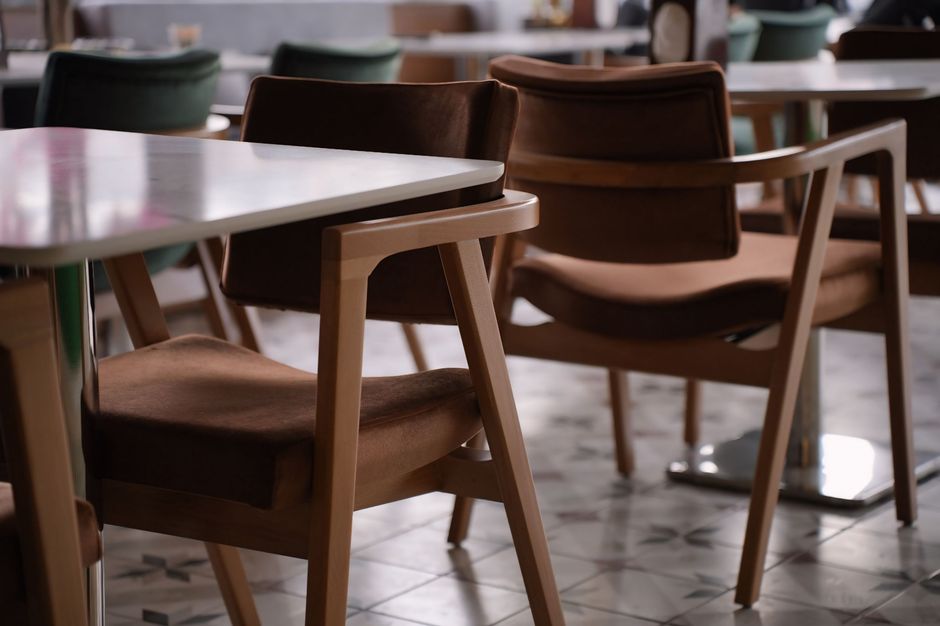
Missteps in procuring hotel restaurant furniture extend far beyond the initial purchase price. Poorly selected items lead to accelerated depreciation, requiring replacements years ahead of schedule. A chair designed for residential use might fail after 18-24 months in a high-traffic hotel environment, whereas a properly specified commercial grade furniture for hotels will last 7-10 years. This difference translates to multiple replacement cycles and increased labor costs for maintenance and installation.

Moreover, subpar furniture directly impacts guest perception and operational flow. Uncomfortable seating, worn finishes, or inadequate table sizes can detract from the dining experience, leading to negative reviews and reduced repeat business. From a back-of-house perspective, difficult-to-clean materials or cumbersome designs slow down staff, reducing table turnover and increasing cleaning expenses by 10-15% annually. The cumulative effect of these issues can erode profitability and compromise your brand’s reputation.
The Decision Framework — What to Evaluate Before You Choose
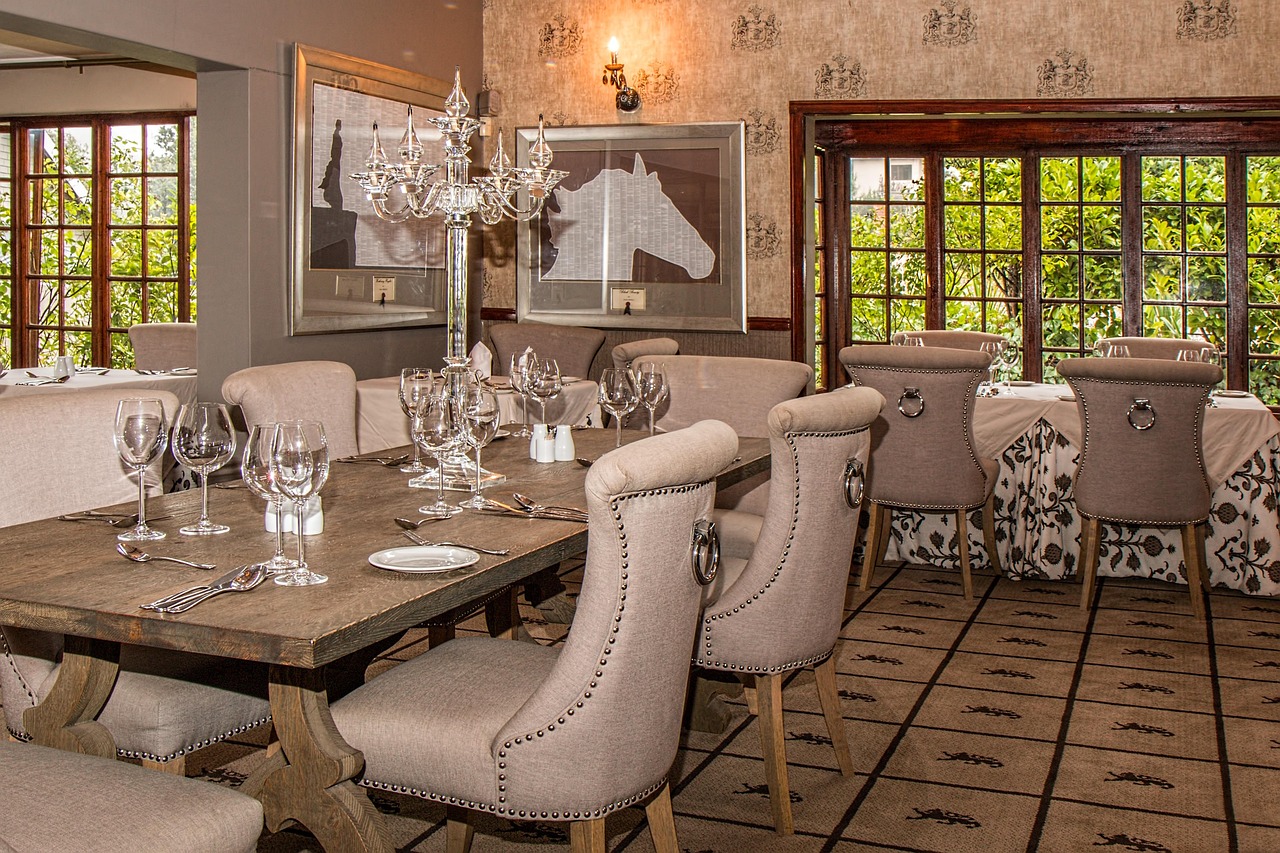
Making informed decisions about your hotel restaurant furniture requires a structured approach. Evaluate potential options against these critical criteria to ensure long-term value and operational success.
1. Durability and Material Specifications
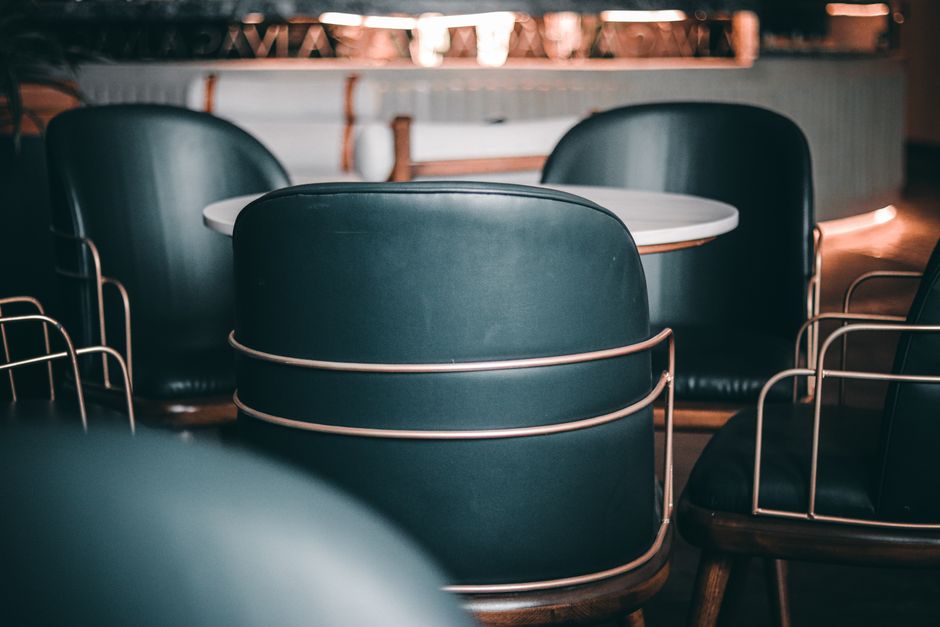
For high-traffic hospitality environments, durability is non-negotiable. Specify materials that withstand constant use, spills, and rigorous cleaning. For chairs, look for solid hardwood frames (e.g., kiln-dried ash, oak, or walnut) with reinforced joinery (mortise and tenon, corner blocks, epoxy glue), not just screws. Metal frames should be 14-gauge steel or thicker, with powder-coated finishes to resist chipping. Tabletops require high-pressure laminate (HPL), solid surface, or quartz for stain and scratch resistance, avoiding porous materials like untreated wood that absorb moisture and harbor bacteria. Fabric choices must be commercial-grade, rated for at least 100,000 double rubs on the Wyzenbeek scale, and ideally include stain-resistant treatments like Crypton or similar technologies. This ensures your restaurant dining chairs and tables remain presentable for years.

2. Design Integration and Ergonomics
The furniture must align seamlessly with your hotel’s overall aesthetic and brand identity, contributing to a cohesive guest experience. Work closely with your interior design team to ensure material, color, and form complement the space. Beyond aesthetics, ergonomics are paramount. Seating must provide comfort for extended periods, encouraging guests to relax and enjoy their meals. Consider seat height (typically 18-19 inches for dining chairs), depth, and back support. Tables should offer adequate legroom and surface area (e.g., a 36-inch round table for two, 48-inch for four), without feeling cramped. Thoughtful design impacts not just initial appeal but also guest comfort and operational efficiency.
3. Maintenance and Cleanability
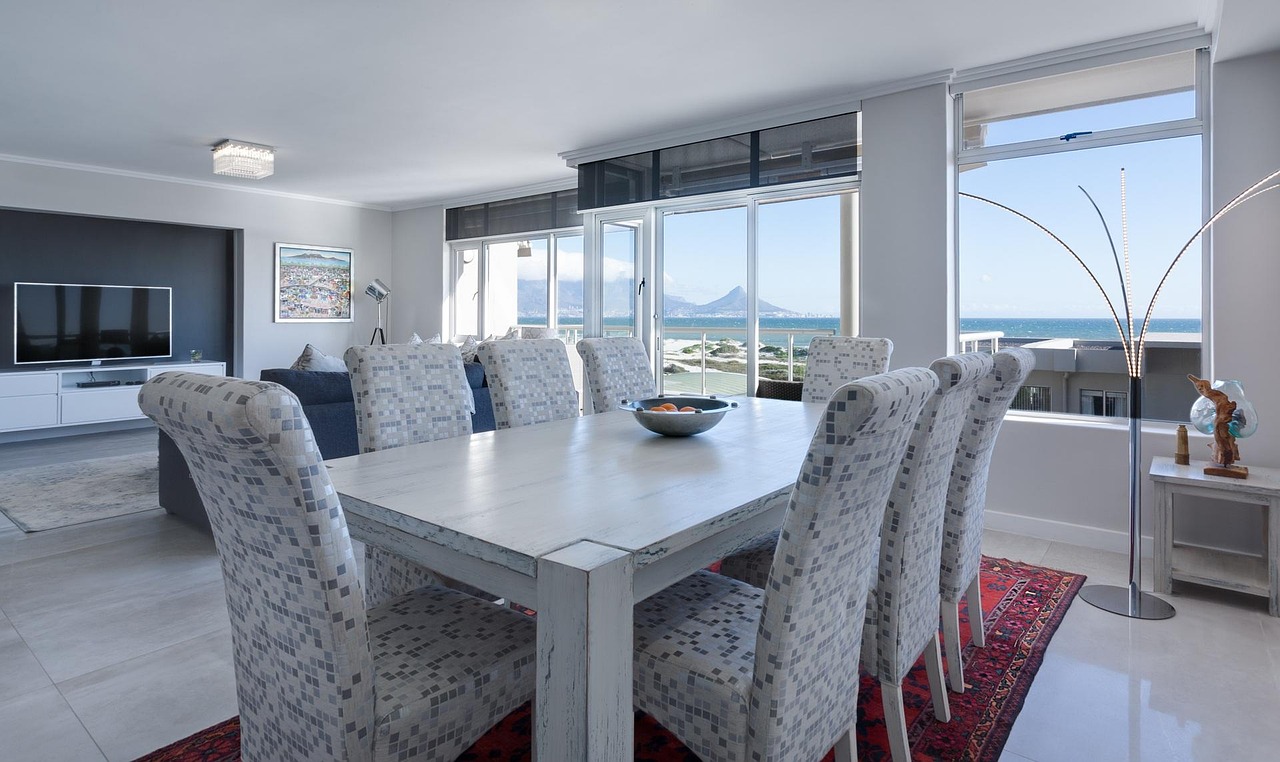
Ease of maintenance directly impacts operational costs and hygiene standards. Select furniture with non-porous, smooth surfaces that are simple to wipe down. Upholstery should be liquid-repellent and easily spot-cleaned, reducing the need for specialized cleaning services. Consider the weight of chairs for daily rearrangement and cleaning under tables. Designs with minimal crevices or intricate detailing will prevent food traps and simplify sanitation. Prioritizing cleanability from the outset can save thousands in labor and cleaning supplies annually.

4. Lead Times, Logistics, and Installation
Project timelines in hospitality are often tight, making reliable lead times crucial. Custom furniture projects typically require 10-16 weeks for manufacturing, plus 4-8 weeks for international shipping. A supplier’s ability to manage production schedules, packaging for protection, international freight, and on-site installation is critical. Inquire about their logistics network and whether they offer white-glove installation services. Delays can lead to lost revenue from delayed opening dates, so understanding the full supply chain and a supplier’s control over it is vital for any hospitality furniture selection guide.

| Evaluation Criteria | Key Considerations | Impact of Poor Choice |
|---|---|---|
| Durability & Materials | Commercial-grade fabrics (>100k double rubs), reinforced joinery, HPL/solid surface tops, 14-gauge metal. | Premature wear (1-2 years), costly replacements ($50k-$150k for 200 seats), safety hazards. |
| Design & Ergonomics | Cohesive aesthetic, comfortable seating (18-19″ seat height), adequate table surface/legroom. | Negative guest reviews, reduced dining time, poor brand perception, inefficient space use. |
| Maintenance & Cleanability | Non-porous surfaces, stain-resistant upholstery, minimal crevices, manageable weight for daily cleaning. | Increased labor costs (10-15% annually), hygiene issues, shorter furniture lifespan. |
| Lead Times & Logistics | Realistic production (10-16 weeks) & shipping (4-8 weeks), clear communication, global logistics expertise. | Project delays (lost revenue of $5k-$15k per day), unexpected storage costs, installation issues. |
What Separates a Good Supplier from a Great One
Choosing the right supplier is as critical as selecting the right furniture. A great supplier acts as a strategic partner, not just a vendor. Here’s what to look for:

- Proven Track Record & Experience: Do they have 10+ years specializing in hospitality FF&E? Request case studies from similar hotel restaurant furniture projects, especially those for 4- and 5-star properties. Look for experience with global exports and diverse regions like Europe, North America, and Central Asia.
- In-House Design and Engineering Capabilities: Can they translate your design vision into manufacturing reality? A professional in-house design team is crucial for creating tailored spaces and offering custom hotel furniture solutions. This ensures technical feasibility, material optimization, and adherence to brand standards, offering OEM/ODM services.
- End-to-End Project Management: Do they offer a one-stop solution from early-stage planning and design through manufacturing, quality control, logistics, and installation? This minimizes coordination risks and ensures accountability across the entire project lifecycle. Zhobai Hotel Furniture, for example, prides itself on this comprehensive approach.
- Certifications and Quality Assurance: What certifications do they hold (e.g., CE, ISO, SGS, FDA)? These indicate adherence to international quality and safety standards. Ask about their specific QC process, including material inspection, in-process checks, and final product testing before shipment.
- Transparent Communication and Responsiveness: How quickly do they respond to inquiries? Do they provide regular updates on production progress and potential challenges? Clear, proactive communication is vital for managing expectations and mitigating risks in complex procurement processes.
- Warranty and After-Sales Support: What kind of warranty do they offer on their hotel restaurant furniture? A minimum 2-year commercial warranty is standard. Inquire about their process for handling defects or issues post-installation.
Red Flags and Non-Negotiables — When to Walk Away
Recognizing warning signs early can save your project from significant financial and reputational damage. Be vigilant for these red flags:

- Unrealistic Pricing or Discounts: If a quote is significantly lower (e.g., 20-30% below average) than others for comparable specifications, it’s a strong indicator of compromised quality or hidden costs down the line. There are no shortcuts to durable, compliant hotel restaurant furniture.
- Lack of Relevant Project References: A supplier claiming extensive experience should readily provide detailed case studies and client contacts for projects of similar scope and scale. Vague references or an inability to share specific examples for commercial grade furniture for hotels is a major concern.
- Poor Communication and Transparency: Difficulty getting clear answers on material specifications, lead times, or manufacturing processes should raise alarms. A supplier unwilling to share factory audit reports or detailed QC procedures is likely hiding inefficiencies or quality issues.
- Inflexibility on Customization or Specifications: If a supplier pushes standardized products when you require specific customization, or if they resist minor material changes to meet design or durability requirements, they may lack the necessary engineering capability or commitment to your project’s unique needs.
- No Independent Certifications or Quality Control Processes: A supplier without verifiable third-party certifications (ISO, CE) or a documented, rigorous internal quality control system is a high risk. This suggests a lack of commitment to consistent product quality and international standards.
How Top Hotels Approach Hotel Restaurant Furniture Differently
Leading hospitality brands don’t just buy furniture; they invest in strategic assets. Their approach to sourcing custom hotel furniture solutions is characterized by foresight and collaboration.
Consider the recent renovation of a major resort in the Caribbean (Project ‘Azure Coast’, June 2026 completion). The owner mandated a 10-year lifespan for all hotel restaurant furniture. Instead of simply requesting bids, they engaged a shortlist of suppliers early in the design phase. Their FF&E procurement manager worked directly with the chosen manufacturer’s in-house design and engineering teams. This collaboration ensured that bespoke designs for their restaurant dining chairs and tables were not only aesthetically unique but also engineered for the corrosive coastal environment, using marine-grade stainless steel and UV-stabilized outdoor fabrics with a 5-year fade warranty. This upfront investment in engineering added 8% to the initial furniture cost but is projected to save over 30% in replacement and maintenance costs over the decade.
Another example is a boutique hotel chain expanding rapidly across Southeast Asia (Project ‘Urban Canvas’, Q4 2026 rollout). Their strategy for hotel restaurant furniture focused on rapid deployment and consistent branding. They partnered with a supplier offering comprehensive logistics and installation services across multiple countries. By leveraging the supplier’s established global freight network and local installation teams, they achieved a 30% faster rollout compared to previous projects where they managed logistics internally. This saved them approximately $150,000 per property in expedited shipping fees and reduced pre-opening operational overhead.
Your Action Plan — Next Steps for Your Project
To navigate your next hotel restaurant furniture procurement with confidence, follow this actionable plan:
- Define Clear Specifications: Before engaging suppliers, finalize your material choices, dimensions, durability requirements, and aesthetic standards. This eliminates ambiguity and ensures comparable quotes.
- Prioritize Durability & Certifications: Emphasize commercial-grade materials and verifiable certifications (e.g., ISO 9001, CE). Request material samples and independent test reports.
- Vet Suppliers Thoroughly: Look beyond price. Evaluate supplier experience, in-house design capabilities, project management, and after-sales support. Request detailed case studies and client references.
- Request Detailed Quotes & Samples: Insist on itemized quotes with clear material breakdowns. Obtain physical samples of key pieces or materials for quality inspection and design approval.
- Establish a Communication Protocol: Agree on communication frequency, reporting methods, and key contact points with your chosen supplier to ensure transparency throughout the project.
- Plan for Logistics & Installation: Confirm the supplier’s capabilities for global logistics, customs clearance, and on-site installation. Integrate these timelines into your overall project schedule for this hospitality furniture selection guide.
The decision to procure hotel restaurant furniture is a significant investment impacting guest experience, operational costs, and your property’s long-term success. Approaching this with a strategic, informed mindset is paramount. Zhobai Hotel Furniture, with over 15 years of experience in custom FF&E for 5-star hotels and resorts worldwide, operates on these exact principles. We offer a one-stop solution, from early-stage planning and in-house design to manufacturing, global logistics, and installation, ensuring your vision for hotel restaurant furniture is executed with precision and durability. Connect with us to discuss your project and discover how our expertise can become your strategic advantage.