The hospitality sector in mid-2026 faces a unique challenge: the convergence of persistent supply chain volatility, escalating material costs, and an increasingly discerning guest demanding both personalized experiences and verifiable sustainability. This confluence means that decisions regarding hotel room furniture are no longer just about aesthetics or initial price; they are strategic investments directly impacting operational efficiency, brand reputation, and long-term profitability. Hoteliers, developers, and procurement teams must adapt rapidly, or risk falling behind in a competitive market where every detail, down to the choice of a guestroom nightstand, contributes to the bottom line.
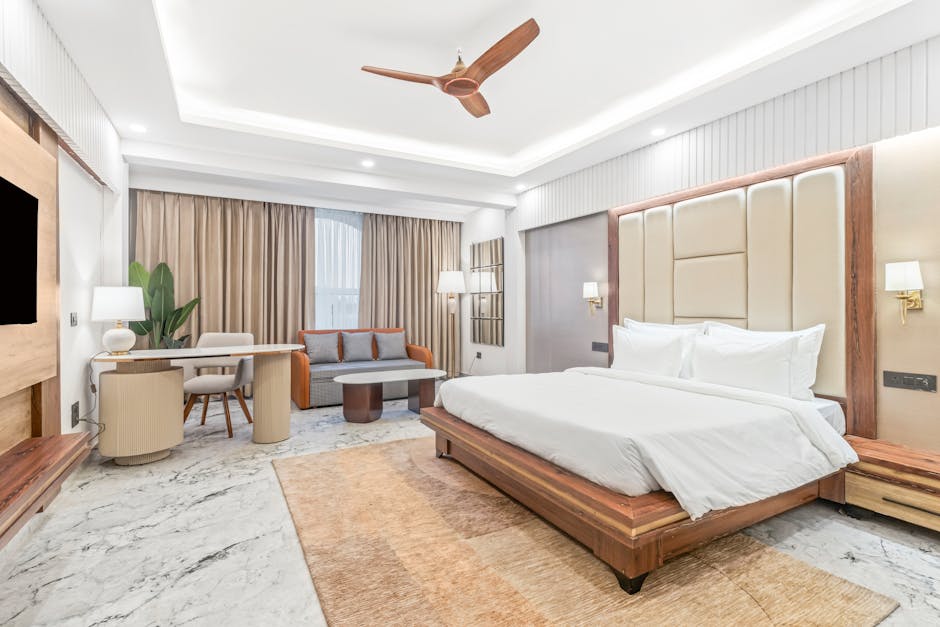
Why Hotel Room Furniture Is at an Inflection Point in 2026
Several powerful forces are currently reshaping the landscape for hotel room furniture, pushing it to a critical inflection point. Firstly, global supply chains, while recovering, remain susceptible to regional disruptions and price fluctuations, forcing procurement managers to seek more resilient and diversified sourcing strategies. Industry data suggests a 15-20% increase in lead times for certain specialty materials compared to pre-pandemic averages, making proactive planning essential.
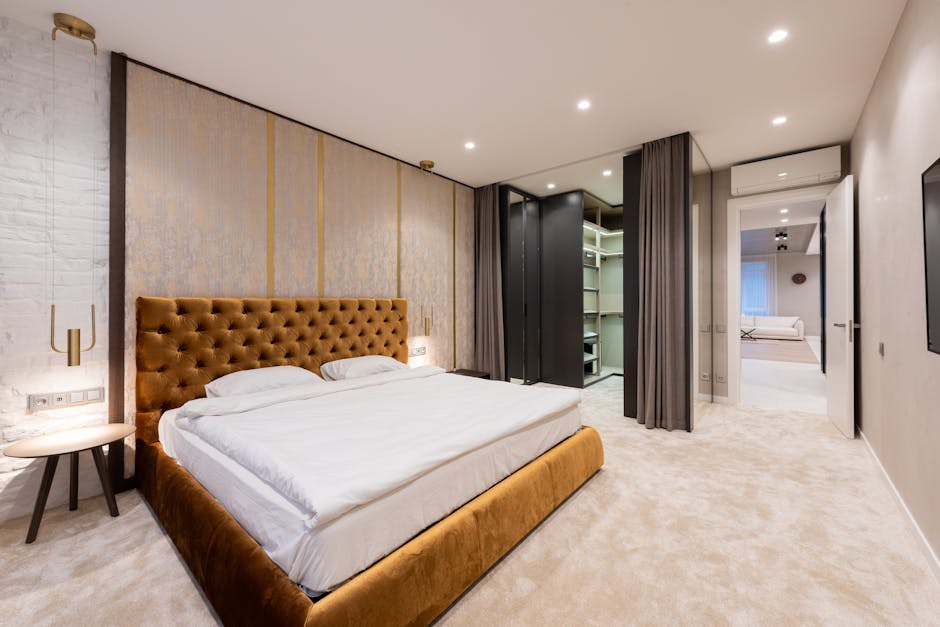
Secondly, guest expectations have fundamentally shifted. Post-pandemic travelers prioritize wellness, hygiene, and a seamless blend of work and leisure, demanding furniture that supports these evolving needs. They also increasingly expect brands to demonstrate genuine commitment to environmental responsibility, turning sustainability from a ‘nice-to-have’ into a key purchasing criterion. This places pressure on suppliers to offer Eco friendly contract hotel furniture options with transparent material sourcing and production processes.
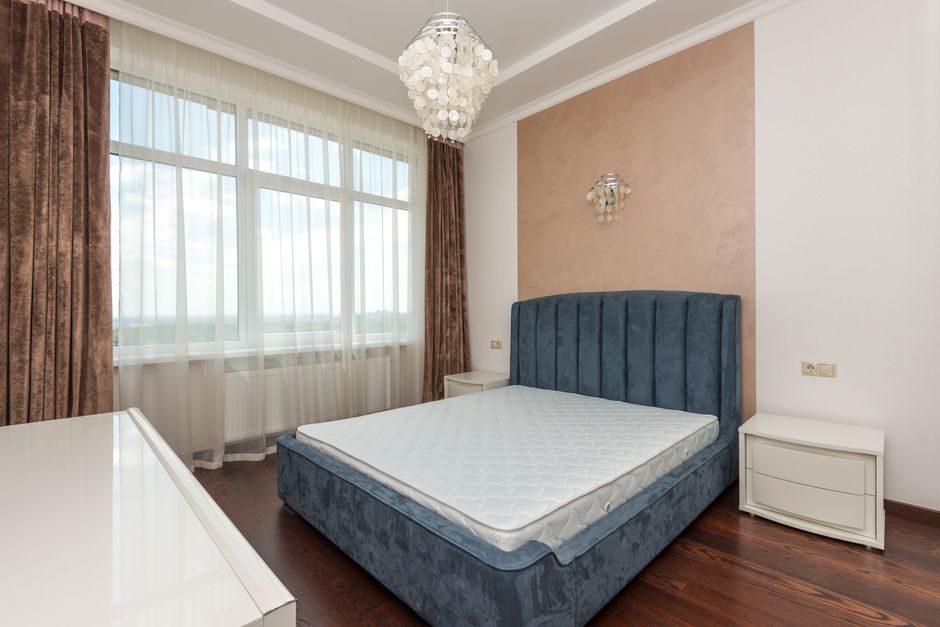
Thirdly, cost inflation across raw materials, labor, and logistics continues to exert pressure on FF&E budgets. This necessitates a move beyond simple upfront cost evaluation towards a total cost of ownership (TCO) model, factoring in durability, maintenance, and potential refurbishment cycles. The strategic procurement of hotel room furniture that balances initial investment with long-term value has become paramount.
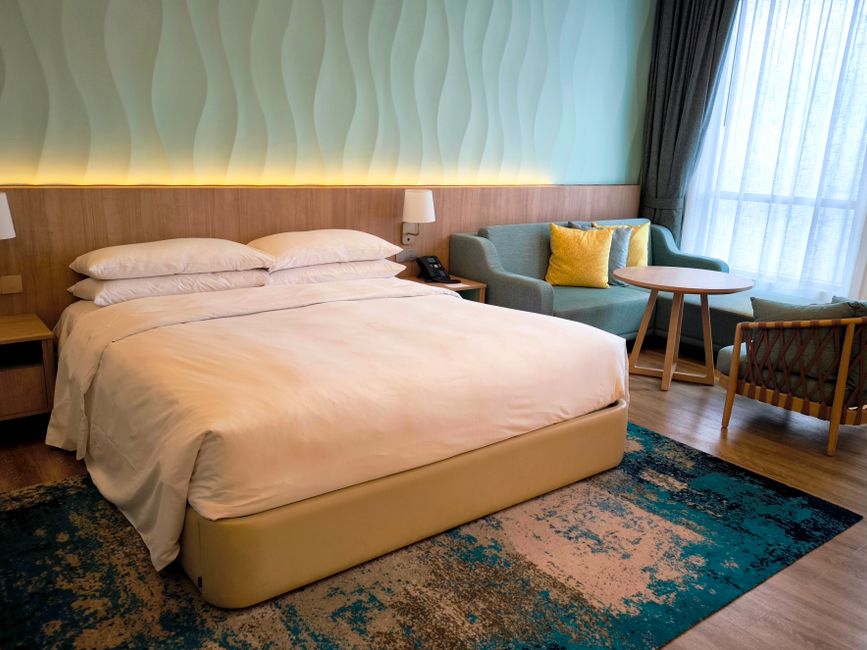
The Trends Redefining Hotel Room Furniture Right Now
The Rise of Integrated Modularity and Versatility
What is happening: Hotels are increasingly specifying furniture pieces that serve multiple functions and can be easily reconfigured or adapted to different guest needs and room types. This includes modular seating, desks that double as dining tables, and storage solutions that incorporate hidden mini-fridges or charging stations. The demand for Space saving hotel room furniture designs is surging.
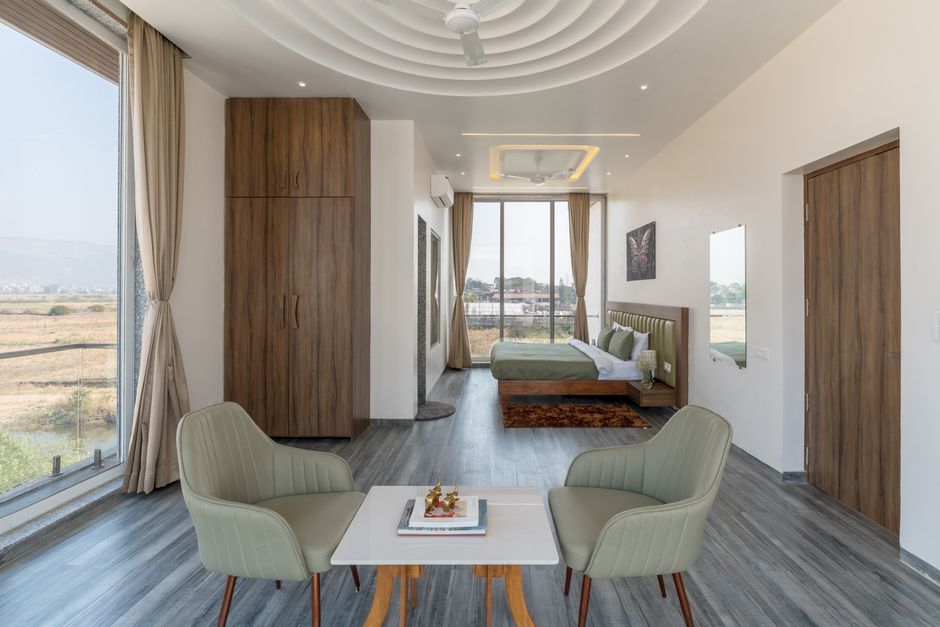
Why it is happening: The ‘bleisure’ traveler segment continues to grow, blurring the lines between business and leisure stays. Guests expect rooms to function as comfortable workspaces, relaxation zones, and dining areas. Additionally, hoteliers seek greater flexibility in their room inventory to cater to diverse demographics without extensive renovations, driving the need for adaptable Space saving hotel room furniture designs. This also helps optimize smaller footprints in urban properties.
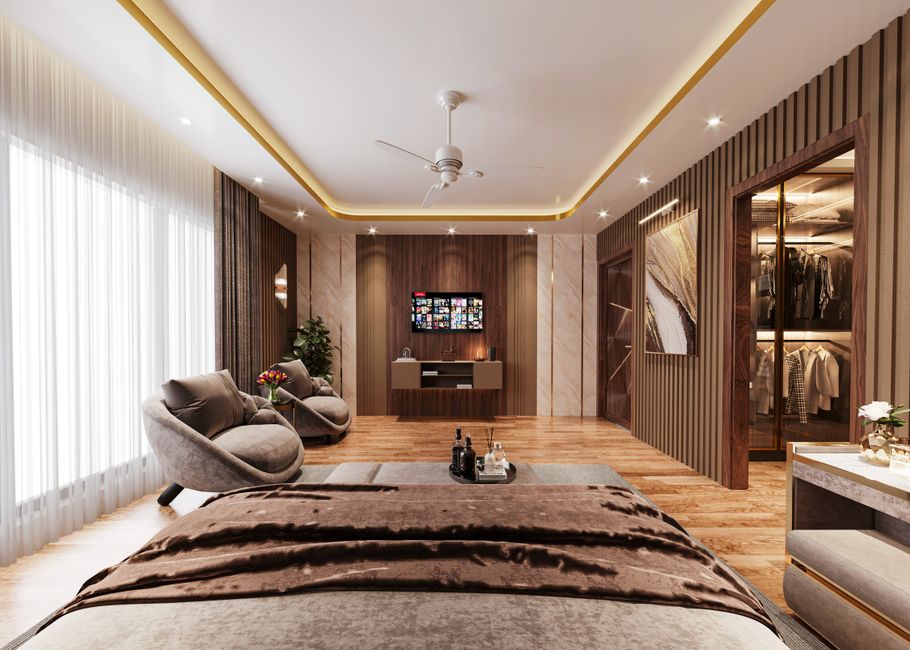
What it means for hotel buyers: Prioritize suppliers who offer well-engineered modular systems and multi-functional pieces. Ask for detailed schematics showing how furniture can be reconfigured or integrated. Evaluate the ease of assembly and disassembly for maintenance or room changes. Consider how these designs can enhance room revenue by appealing to a broader guest base or allowing for higher ADRs for flexible room types.
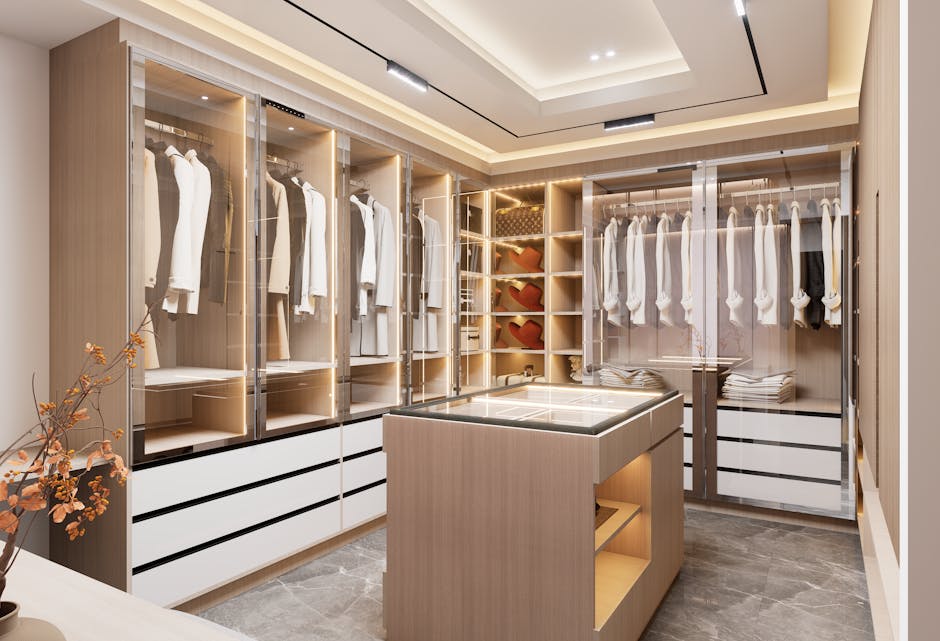
Sustainable Sourcing and Circular Design Principles
What is happening: Sustainability is moving beyond mere certification; it’s about verifiable impact. Procurement teams are increasingly prioritizing materials with low VOCs, FSC-certified timber, recycled content (e.g., fabrics made from ocean plastics), and designs that support repair, refurbishment, and eventual recycling. The push for Eco friendly contract hotel furniture is no longer optional.
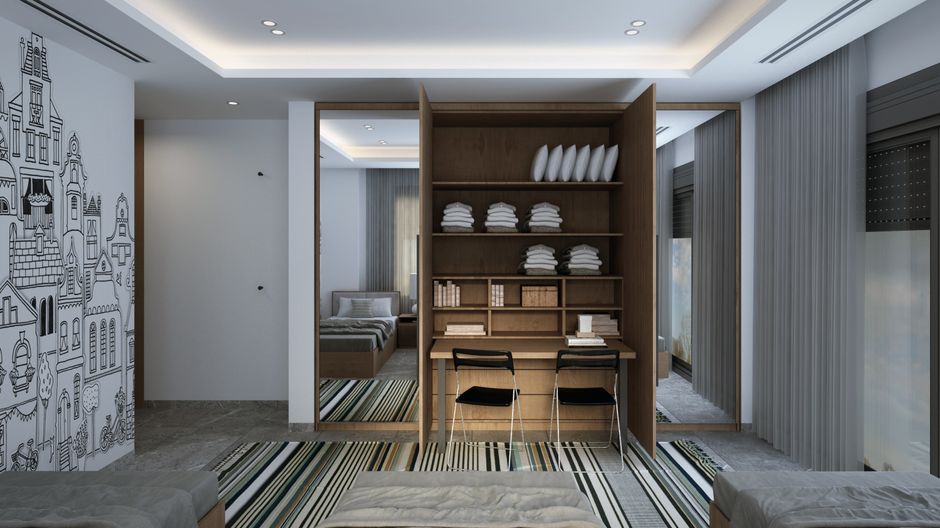
Why it is happening: Regulatory pressures are increasing globally, and guests, particularly younger demographics, are making booking decisions based on a hotel’s environmental footprint. Hotels also recognize the long-term cost savings associated with durable, repairable furniture that reduces waste and disposal costs. Suppliers who cannot meet stringent sustainability criteria are losing bids.
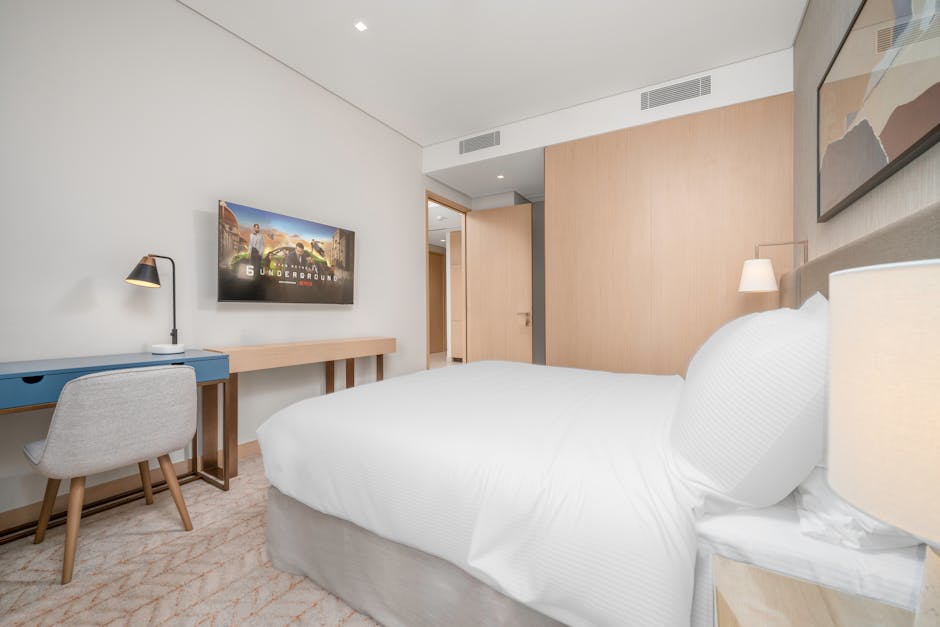
What it means for hotel buyers: Demand transparency from your suppliers regarding material origins, manufacturing processes, and certifications. Look for partners who can demonstrate a commitment to circular design, offering replaceable components (e.g., upholstery panels, table tops), refurbishment services, or take-back programs. Integrate sustainability metrics directly into your RFQ evaluation criteria for Eco friendly contract hotel furniture. Explore options for locally sourced materials where feasible to reduce carbon footprint.
Hyper-Personalization and Bespoke Aesthetics
What is happening: Generic hotel aesthetics are giving way to highly curated, localized, and brand-specific designs. This requires Custom hospitality bedroom casework and furniture that reflects the unique story and location of a property, rather than off-the-shelf solutions. Guests crave authenticity and Instagrammable moments.
Why it is happening: In a crowded market, hotels differentiate themselves through unique guest experiences. A bespoke design narrative, supported by tailored furniture, creates a memorable stay and fosters brand loyalty. Social media amplifies the desire for unique visual aesthetics, making distinctive Custom hospitality bedroom casework a powerful marketing tool.
What it means for hotel buyers: Partner with manufacturers possessing strong in-house design capabilities and extensive customization experience. Clearly articulate your brand story and design vision early in the process. Be prepared to invest in detailed prototyping and mock-ups to ensure the custom furniture aligns perfectly with your aesthetic and functional requirements. This approach is key to developing unique Modern hotel guestroom furniture sets that stand out.
Technology Integration & Durability for the Smart Guestroom
What is happening: Guests expect seamless technology integration in their accommodations. This translates to Modern hotel guestroom furniture sets that incorporate discreet wireless charging pads, multiple USB-C ports, integrated smart lighting controls, and even hidden IoT sensors for energy efficiency or predictive maintenance. Simultaneously, the furniture must withstand rigorous commercial use and frequent cleaning protocols.
Why it is happening: Travelers carry multiple devices and expect convenience. Integrated technology eliminates clutter and enhances the guest experience. Furthermore, operational demands necessitate durable materials and finishes that can withstand constant sanitization and heavy use, reducing replacement cycles and maintenance costs. The balance between advanced features and robust construction is critical for any hotel room furniture.
What it means for hotel buyers: Specify technology requirements upfront in your RFQ. Ensure suppliers can demonstrate expertise in integrating electronics safely and seamlessly into furniture designs, with appropriate certifications. Prioritize materials like engineered veneers, high-pressure laminates (HPL), and performance fabrics that offer superior abrasion, stain, and moisture resistance, ensuring your Modern hotel guestroom furniture sets maintain their appearance and function over their intended lifespan.
Who Is Winning — and What They Are Doing Differently
Hotels that are thriving in 2026 are those proactively adapting their FF&E strategies. Consider the case of a boutique hotel chain in Southeast Asia. Recognizing the demand for unique guest experiences, their procurement team moved away from catalog purchases entirely. They collaborated with a manufacturer to develop bespoke hotel room furniture designs inspired by local artisanal crafts, incorporating integrated wireless charging and highly durable, locally sourced timber with low VOC finishes. This not only created a distinctive brand identity but also reduced shipping costs and lead times, while resonating strongly with their target demographic’s values.
Another example is a major resort group in the Middle East undertaking a large-scale renovation. Instead of replacing all their guestroom furniture, they opted for a phased refurbishment model. They partnered with a supplier capable of manufacturing replacement components like drawer fronts, upholstery panels, and even new headboards designed to fit existing bed frames. This approach significantly extended the life cycle of their existing assets, reduced waste, and delivered considerable cost savings compared to a full replacement. Their focus on maintainability and repairability for their hotel room furniture has set a new standard.
The Risks of Standing Still
Ignoring these prevailing trends in hotel room furniture can lead to significant competitive disadvantages and direct financial penalties. Hotels that continue to source generic, non-sustainable, or poorly designed furniture risk:
- Competitive Disadvantage: Guest reviews increasingly highlight outdated or uncomfortable furnishings. Industry reports indicate a direct correlation between modern, well-maintained hotel room furniture and higher guest satisfaction scores, leading to better online reviews and increased direct bookings. Properties failing to update risk losing market share to more contemporary competitors.
- Increased Operational Costs: Furniture made with inferior materials or lacking modularity will require more frequent repairs or full replacements, driving up CAPEX and maintenance expenses. For instance, non-performance fabrics can lead to costly re-upholstery within 2-3 years, as opposed to 5-7 years for commercial-grade alternatives.
- Guest Experience Gaps: A lack of integrated charging, poor lighting, or uncomfortable seating directly impacts guest convenience and comfort. This can result in lower repeat bookings and negative word-of-mouth, eroding brand value.
- Brand Erosion & Sustainability Backlash: Failing to demonstrate a commitment to sustainable practices in procurement can harm a hotel’s brand image, particularly among environmentally conscious travelers. This can lead to missed opportunities for corporate partnerships and negative media attention.
- Compliance Issues: As regulations around fire safety, accessibility, and environmental standards evolve, outdated hotel room furniture may fall out of compliance, potentially leading to fines or costly retrofits.
What Smart Buyers Are Prioritizing in Their Next RFQ
For hotel owners, developers, FF&E procurement managers, interior designers, and hospitality project contractors, the next RFQ for hotel room furniture must reflect the current market realities. Smart buyers are prioritizing partners who can offer:
- Lifecycle Cost Analysis (LCA): Moving beyond upfront price to evaluate total cost of ownership, including durability, maintenance, and end-of-life options.
- Verifiable Sustainability Credentials: Requiring specific certifications (e.g., FSC, Greenguard, OEKO-TEX) and transparent reporting on materials and manufacturing processes.
- Design Flexibility & Customization: Seeking manufacturers with robust in-house design teams capable of delivering custom hospitality bedroom casework and bespoke solutions that align with unique brand identities.
- Integrated Technology Solutions: Specifying furniture with built-in charging (wireless, USB-C), smart controls, and robust cable management.
- Supply Chain Resilience: Prioritizing suppliers with clear lead time commitments, diversified sourcing, and robust logistics capabilities.
- Comprehensive After-Sales Support: Including warranties, spare parts availability, and potential refurbishment programs.
Key Evaluation Criteria for Hotel Room Furniture Suppliers
| Criteria Category | Specific Evaluation Points | Impact on Project |
|---|---|---|
| Material Specifications | FSC-certified wood, low-VOC finishes, recycled content fabrics, commercial-grade HPL, 304 stainless steel. | Ensures durability, guest health, and aligns with sustainability goals for hotel room furniture. |
| Design & Customization | In-house design team, 3D renderings, prototyping capabilities, experience with Custom hospitality bedroom casework. | Delivers unique brand aesthetic, functional solutions, and guest satisfaction. |
| Sustainability & Certifications | CE, ISO, SGS, FDA certifications; carbon footprint data, take-back programs for Eco friendly contract hotel furniture. | Ensures compliance, reduces environmental impact, enhances brand reputation. |
| Logistics & Installation | Global shipping experience, clear lead times, on-site installation support, detailed packing lists. | Minimizes delays, reduces on-site labor costs, ensures smooth project execution. |
| Warranty & Support | Comprehensive warranty terms, spare parts availability, dedicated account management, post-installation service. | Protects investment, simplifies maintenance, extends furniture lifespan. |
Navigating the evolving landscape of hotel room furniture procurement requires a strategic partner. Zhobai Hotel Furniture, with over 15 years of experience, specializes in crafting custom solutions for 5-star hotels, resorts, and boutique properties worldwide. Our one-stop solution covers early-stage planning, design conceptualization with our professional in-house team, manufacturing, logistics, and installation, ensuring seamless project execution. We offer OEM/ODM services and factory-direct pricing, backed by CE, ISO, SGS, and FDA certifications.
Our commitment to quality and understanding of global trends means we are already delivering the Modern hotel guestroom furniture sets and sustainable solutions that smart buyers prioritize. We provide the expertise needed to secure long-term value in your hotel room furniture investments. To discuss how Zhobai can support your next project with tailored, high-performance furniture solutions, we invite you to explore our services or view our project portfolio.