Imagine this scenario: a multi-million dollar hotel renovation project is 90% complete. The custom furniture arrives on site, ready for installation, only for the procurement manager to discover that the custom-designed wardrobes are 5 cm too deep for the intended alcoves, blocking a critical ADA-compliant circulation path. The bedside tables, while beautiful, restrict the required 75 cm clearance around the bed, violating fire codes. This isn’t a hypothetical oversight; it’s a real, costly mistake that can lead to weeks of delays, thousands in re-fabrication costs, and a damaged reputation. These errors stem directly from an inadequate understanding or oversight of crucial custom hotel furniture services and its precise fit within the overall hotel room layout and dimensions.
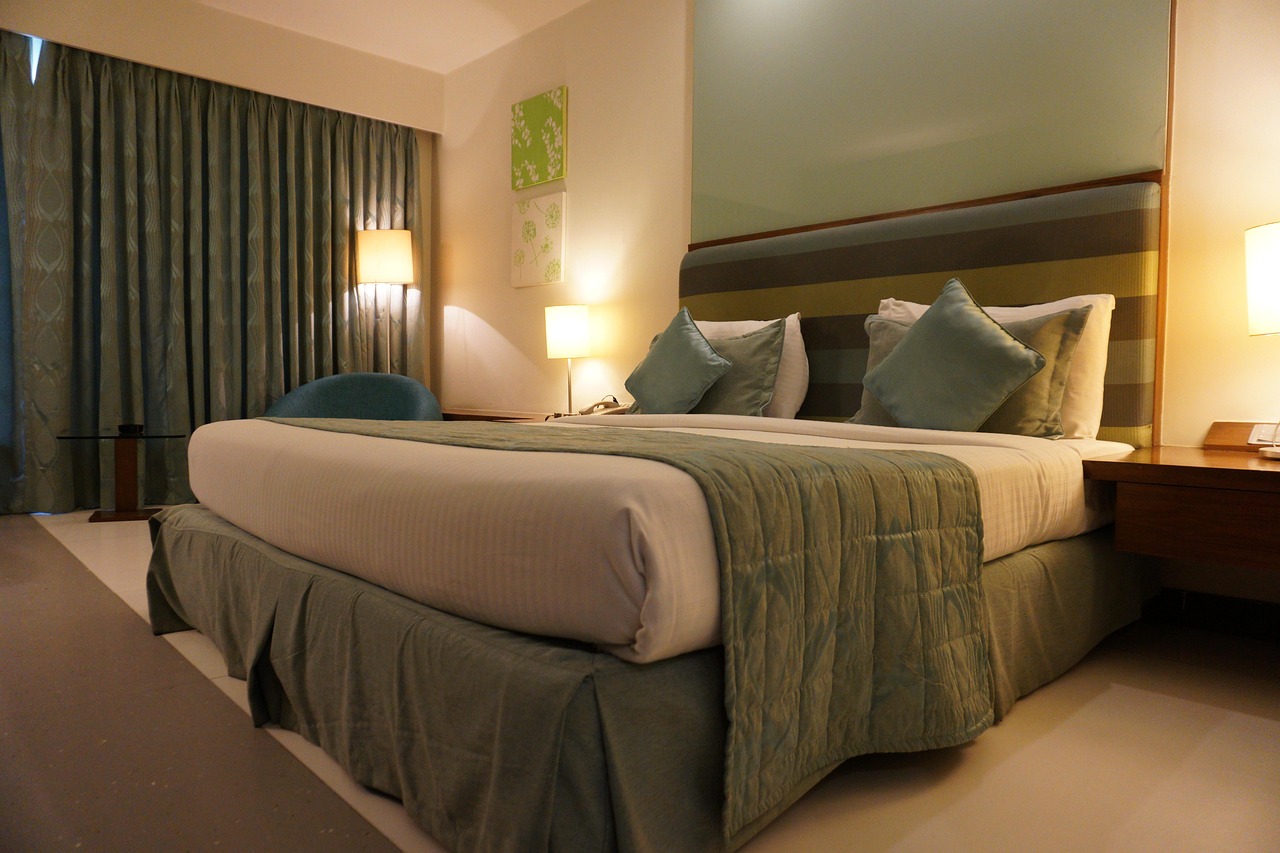
The Real Cost of Getting Hotel Room Layout and Dimensions Wrong
Miscalculating hotel room layout and dimensions carries significant financial and operational repercussions. A single misstep, like an incorrectly sized vanity or a poorly planned furniture arrangement, can trigger a cascade of problems. For instance, re-ordering custom furniture due to spatial inaccuracies can inflate the FF&E budget by 10-20%, translating to hundreds of thousands of dollars for a 200-room property. Beyond direct costs, project delays are inevitable. Each week of delay for a new build or renovation can mean lost revenue of $10,000-$50,000 per property, depending on its scale and market demand in 2026. Furthermore, a cramped or non-compliant room design directly impacts guest satisfaction, leading to negative reviews that deter future bookings. This isn’t merely an aesthetic issue; it’s a critical business decision that affects your bottom line and brand perception.
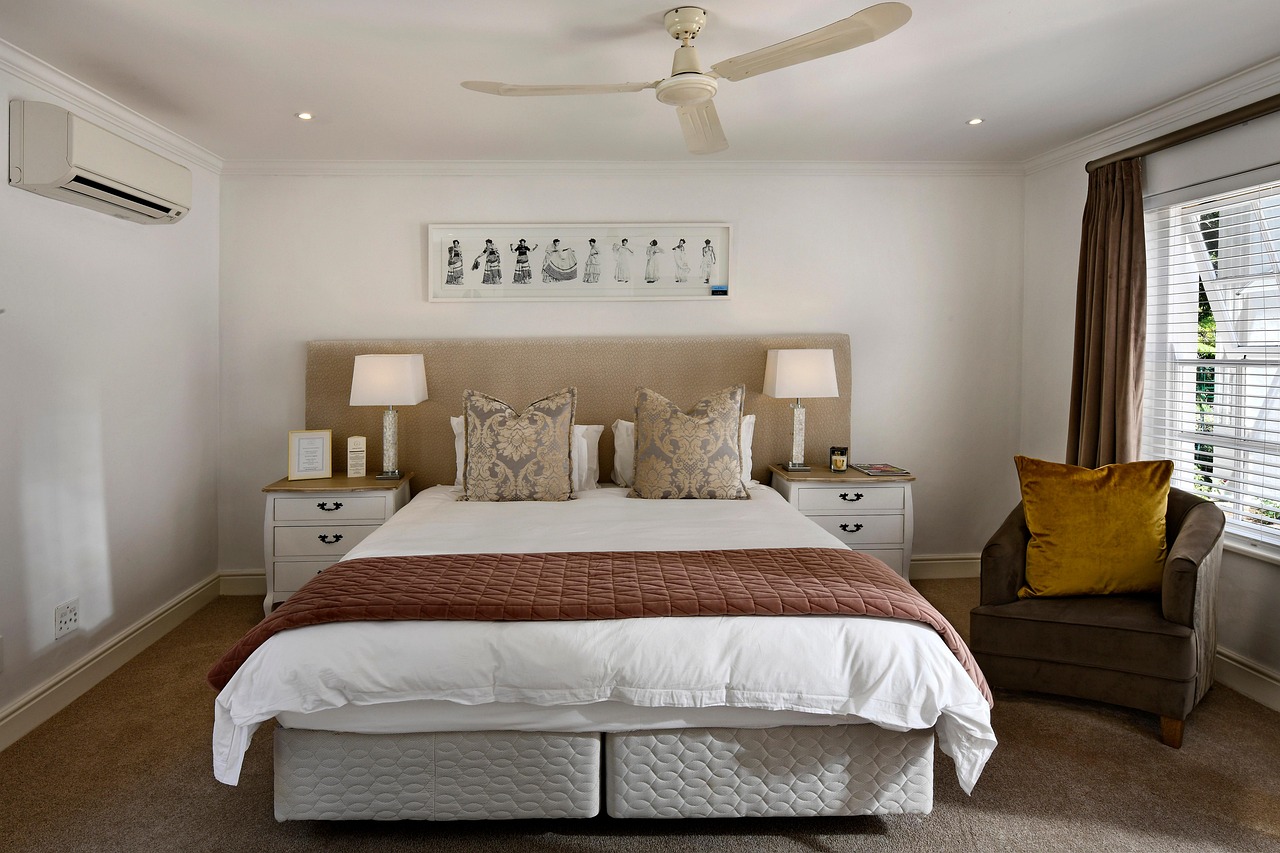
The Decision Framework — What to Evaluate Before You Choose
Successful custom furniture procurement for hospitality projects hinges on a meticulous evaluation process. Understanding the intricate balance between guest comfort, operational efficiency, and regulatory compliance is paramount. Before committing to any supplier, a robust decision framework must be in place to guide your choices regarding hotel room layout and dimensions.
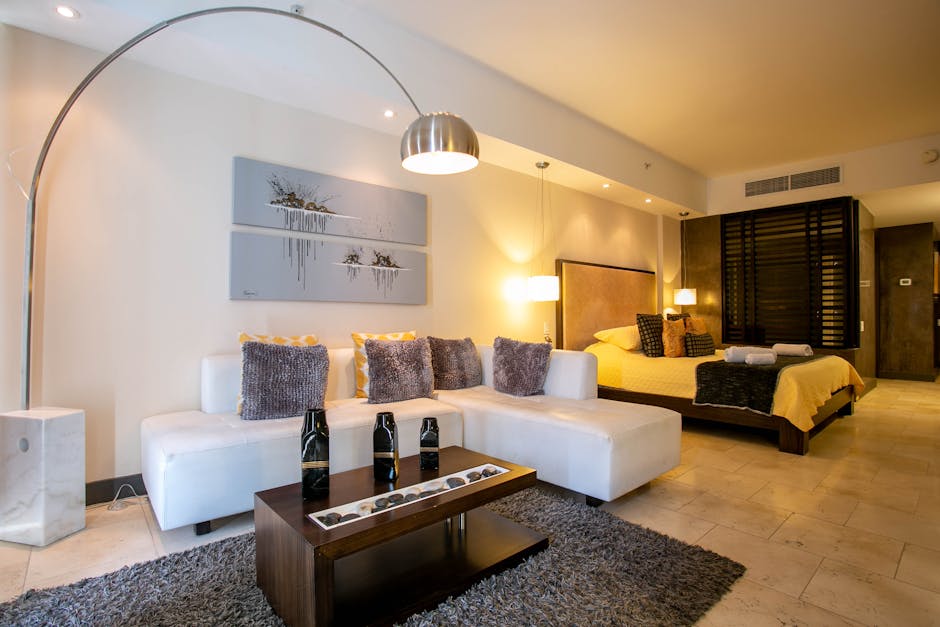
1. Guest Experience & Circulation Flow
The primary function of any hotel room is to provide a comfortable and intuitive guest experience. This means ensuring seamless circulation paths and adequate space around all furniture pieces. Consider the guest’s journey from entry to bed, bathroom, and work areas. Are there bottlenecks? Can two people comfortably move around the room simultaneously? Specific guidelines for standard hotel room furniture clearances dictate minimum distances: typically 75 cm for main pathways and 60 cm for secondary access points around bedsides or in front of dressers. Failure to adhere to these clearances results in a perceptibly cramped space and functional frustration for guests, leading to reduced satisfaction scores.
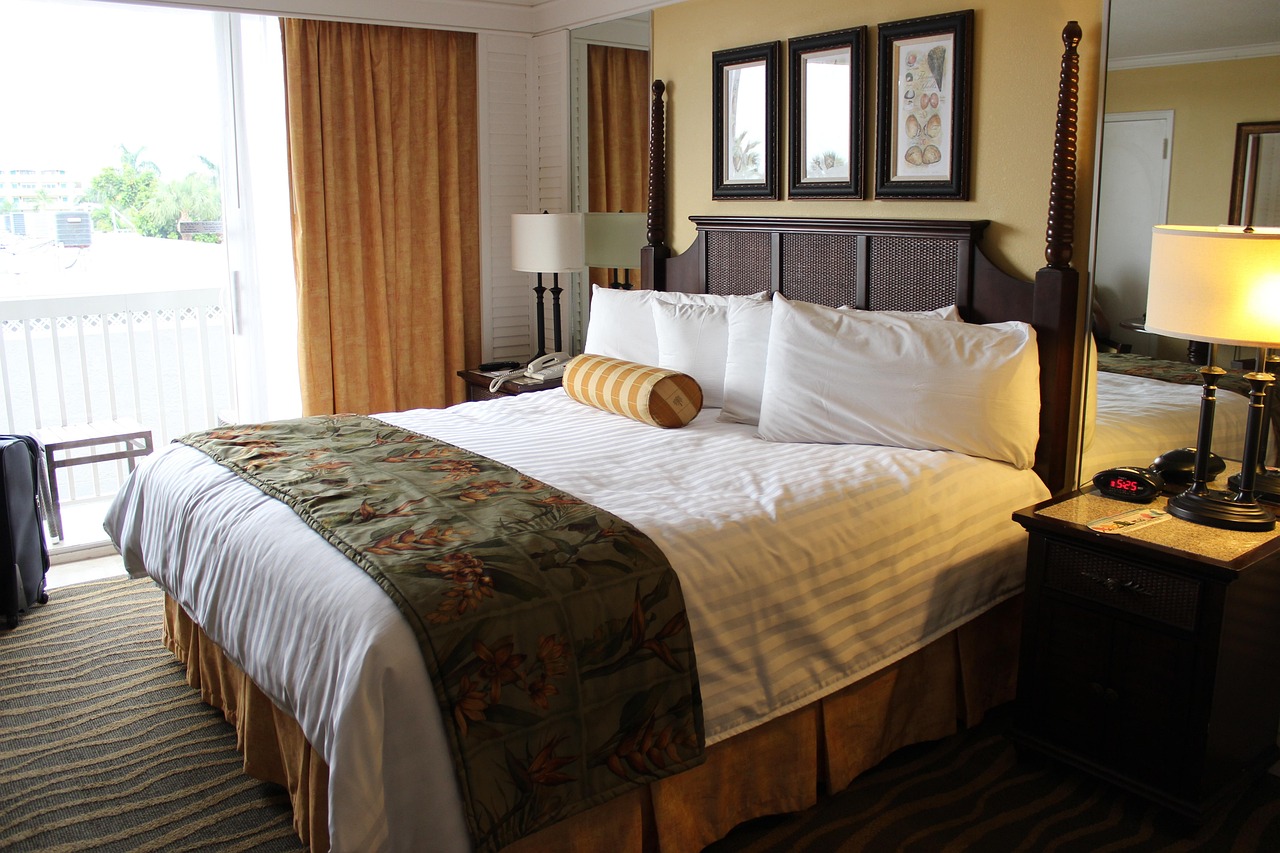
2. Operational Efficiency & Maintenance Access
An optimized hotel room layout and dimensions significantly impacts your operational teams. Housekeeping staff need clear access to clean all surfaces, make beds, and restock amenities efficiently. Consider the ease with which a vacuum cleaner can navigate around furniture or how quickly a maintenance technician can access HVAC units without moving heavy pieces. Furniture that is difficult to move or clean adds minutes to each room turnover, accumulating into substantial labor costs over time. Design choices should streamline daily operations, not complicate them, ensuring longevity and ease of upkeep for all custom furnishings.
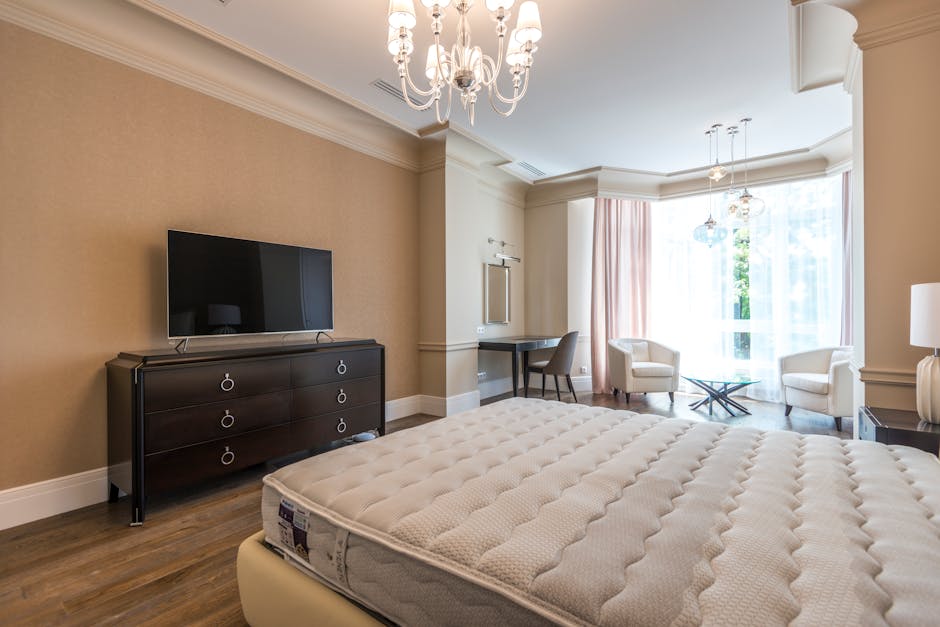
3. Regulatory Compliance & Accessibility Standards
Adherence to local building codes, fire safety regulations, and accessibility standards (such as ADA in North America) is non-negotiable. These regulations often dictate precise requirements for clear floor space, door swing clearances, and specific bathroom dimensions. For instance, ADA compliant hotel room bathroom dimensions typically require a 152 cm turning circle for wheelchairs and specific grab bar placements. Overlooking these details during the planning stages can lead to costly redesigns, fines, or even project halts. A reliable supplier will demonstrate a deep understanding of these codes and integrate them into their design and manufacturing process from the outset.
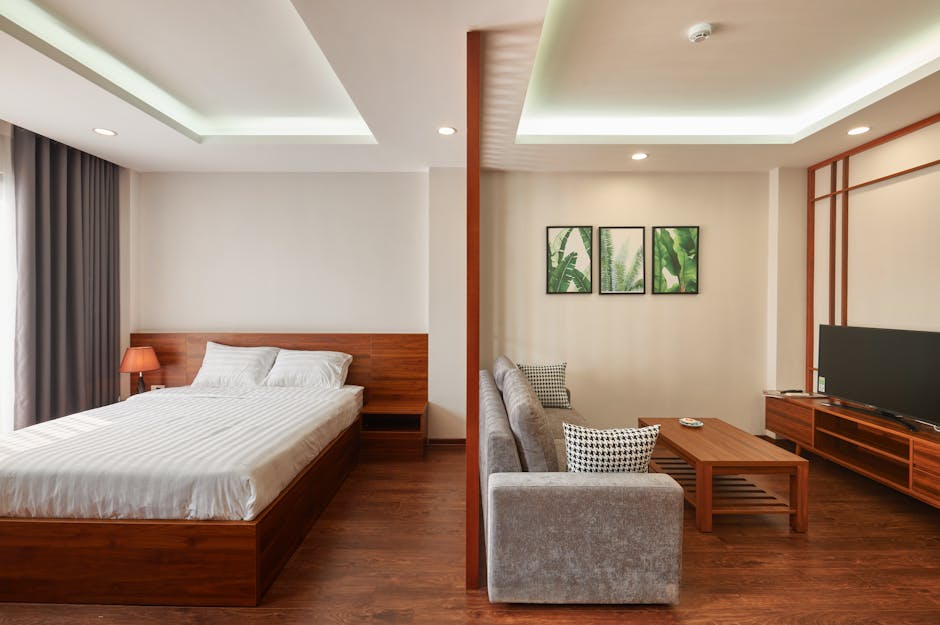
4. Room Type & Brand Identity
Different hotel room types — standard, boutique, suite — demand distinct approaches to their layout and dimensions. A boutique hotel micro-room spatial design requires innovative, multi-functional furniture solutions to maximize perceived space without sacrificing utility. Conversely, luxury hotel suite zoning and floor plans emphasize distinct living, sleeping, and dining areas, often requiring bespoke, larger-scale pieces to define these zones. Your brand’s identity should be reflected in these choices; a minimalist design language will inform different furniture styles and spatial arrangements than a richly ornate aesthetic. The furniture must align with the intended guest experience and the hotel’s market positioning.
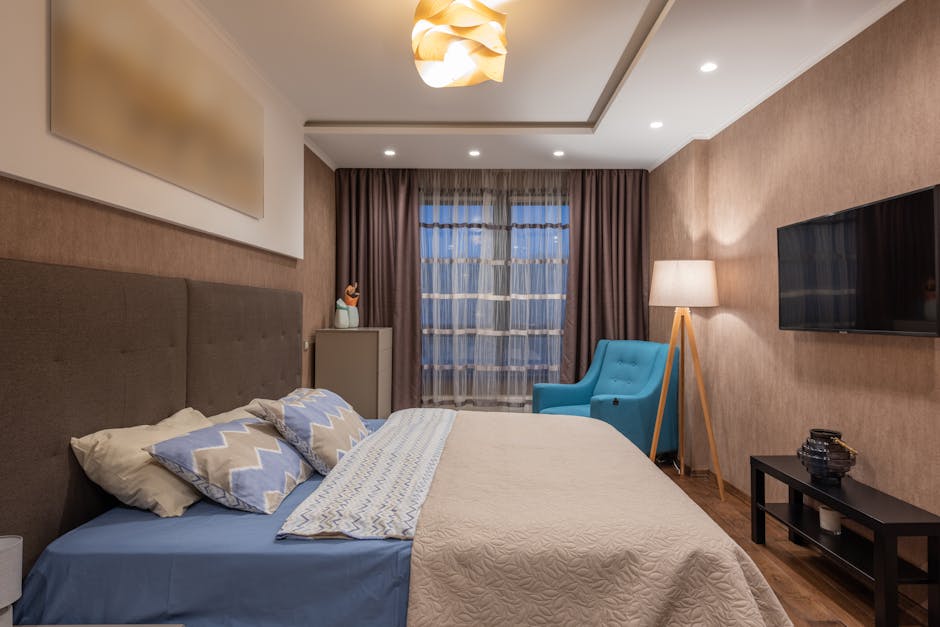
5. Future-Proofing & Flexibility
Consider how the chosen hotel room layout and dimensions can adapt to future trends or guest needs. Can furniture be reconfigured or easily replaced? Modular systems offer inherent flexibility, allowing for quicker updates or adjustments without a complete overhaul. Incorporating sufficient power outlets and USB charging points, strategically placed, prevents future guest complaints in an increasingly connected world. A forward-thinking approach ensures your FF&E investment remains relevant and functional for years to come, minimizing the need for premature replacements.
| Evaluation Criteria | Standard Room (28-32 sqm) | Boutique Micro-Room (16-20 sqm) | Luxury Suite (55+ sqm) |
|---|---|---|---|
| **Primary Focus** | Efficiency, durability, consistent guest flow | Innovative space utilization, visual lightness | Distinct zones, bespoke comfort, elevated aesthetics |
| **Key Layout Challenge** | Optimizing standard furniture clearances | Multi-functional pieces, concealed storage | Seamless transition between areas, privacy |
| **Typical Furniture Type** | Robust, modular, standardized designs | Integrated, compact, fold-down elements | Custom-built, statement pieces, varied seating |
| **Minimum Main Pathway** | 75 cm (30 inches) | 60 cm (24 inches) | 90 cm (36 inches) |
| **Design Priority** | Ergonomics, ease of cleaning, cost-effectiveness | Innovation, perceived spaciousness, tech integration | Refined materials, comfort, unique guest journey |
What Separates a Good Supplier from a Great One
Choosing a furniture supplier is a strategic decision, not just a transaction. A truly great supplier acts as an extension of your project team, offering expertise that goes beyond manufacturing. Here’s a checklist of what to ask and what to look for:
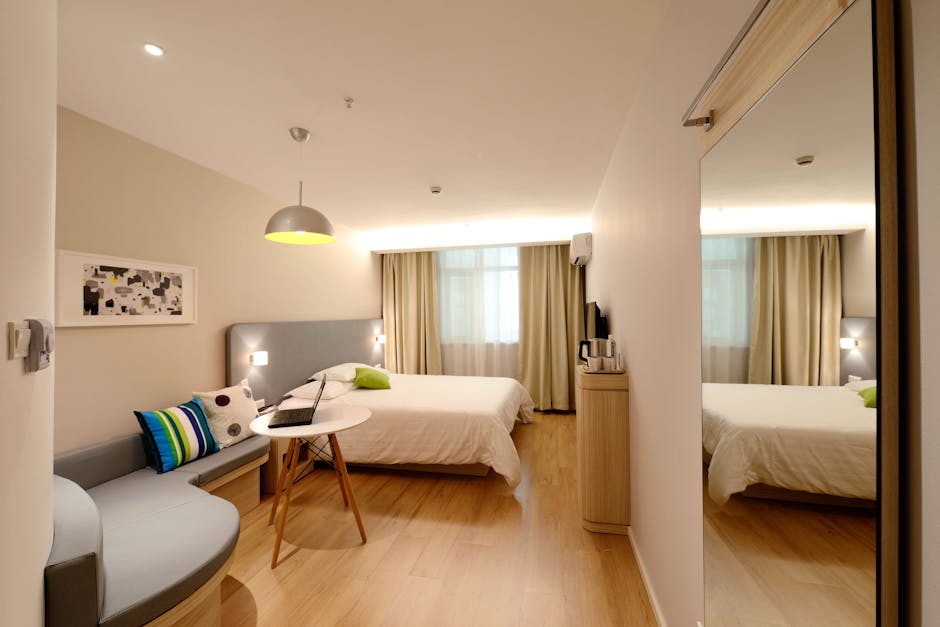
- In-house Design & Engineering Capabilities: Do they have a professional design team that can translate your vision into precise shop drawings and 3D renderings? Can they advise on optimal hotel room layout and dimensions for various room types? Zhobai Hotel Furniture, for example, maintains an in-house design team that collaborates closely with clients from early-stage planning to create tailored spaces.
- Comprehensive Project Management: Do they offer a one-stop solution covering design, manufacturing, logistics, and installation? This streamlines communication and reduces coordination risks. Ask about their process for managing multi-phase projects and their approach to quality control at each stage.
- Material Transparency & Certification: Can they provide detailed specifications for all materials, including independent test reports for durability, fire rating, and environmental compliance? Look for certifications like CE, ISO, SGS, or FDA, which validate their quality and safety standards.
- Precision Manufacturing & Prototyping: How do they ensure manufacturing accuracy? Request to see examples of their precision joinery, finish consistency, and adherence to specified dimensions. A great supplier will offer a prototype room or sample pieces for approval before full production, allowing you to verify the hotel room layout and dimensions in a real-world setting.
- Global Logistics & Installation Expertise: Do they have proven experience managing complex international shipping and on-site installation? Ask about their freight forwarding partners, customs clearance procedures, and on-site supervision capabilities. Improper handling can damage even the finest furniture.
- Post-Delivery Support & Warranty: What kind of warranty do they offer on their products? How do they handle after-sales service, spare parts, or potential issues that arise after installation? A long-term partnership requires reliable support long after the delivery trucks have left.
Red Flags and Non-Negotiables — When to Walk Away
In the high-stakes world of hospitality FF&E procurement, knowing when to disengage from a potential supplier is as crucial as knowing whom to partner with. Beware of these warning signs:
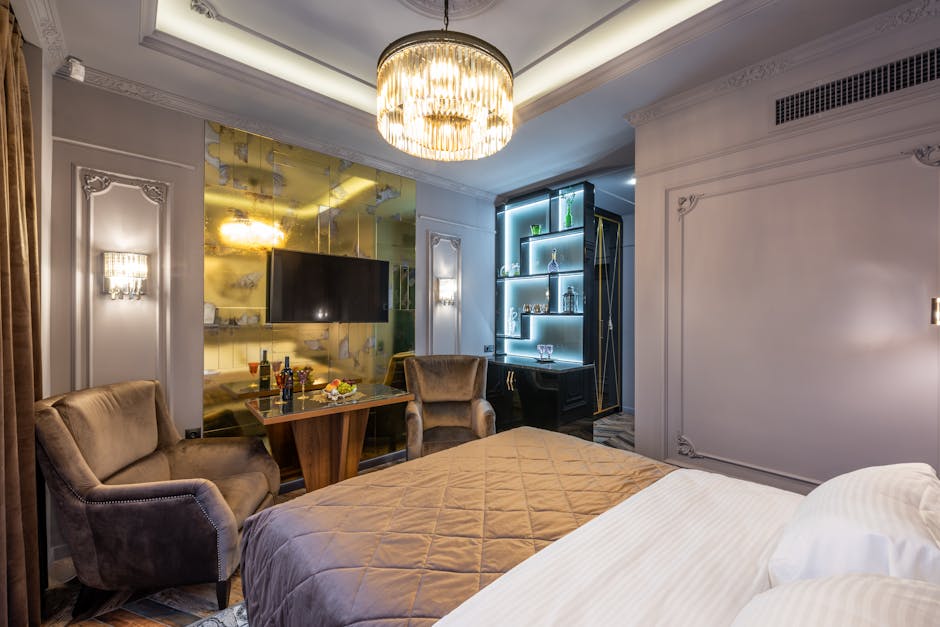
- Lack of Detailed Shop Drawings: If a supplier cannot provide precise, scaled shop drawings that clearly illustrate every dimension, material, and joinery detail for each furniture piece, consider it a major red flag. Vague sketches or generic catalog images are insufficient for custom projects where exact hotel room layout and dimensions are critical.
- Unrealistic Pricing or Timelines: Be wary of bids that are significantly lower than competitors or promises of impossibly fast delivery. Such offers often hide compromises in material quality, manufacturing precision, or ethical labor practices. A responsible timeline for custom furniture typically ranges from 12-16 weeks for production after prototype approval, plus shipping.
- Poor Communication & Transparency: A supplier who is slow to respond, provides unclear answers, or is hesitant to share factory processes, material sourcing, or project references should raise concerns. Transparency is foundational to trust, especially when dealing with complex requirements like custom furniture services for specific hotel room layout and dimensions.
- Absence of Quality Control Protocols: Ask about their QC process. If they cannot articulate specific inspection points, testing procedures, or internal quality audits (e.g., a 47-point inspection checklist), it indicates a lack of commitment to consistent product quality. This is particularly vital for ensuring longevity and minimizing maintenance issues post-installation.
- Inability to Provide Relevant Project References: A reputable supplier will readily provide contacts for recent projects of similar scope and style. If they are evasive or can only offer vague testimonials, it suggests a lack of proven experience in delivering high-value, complex FF&E projects, especially those involving intricate luxury hotel suite zoning and floor plans.
How Top Hotels Approach Hotel Room Layout and Dimensions Differently
Leading hospitality brands don’t just furnish rooms; they curate experiences through thoughtful design and precise execution of hotel room layout and dimensions. Their approach is strategic and often involves innovative solutions tailored to specific guest demographics and property types.
Scenario 1: The Urban Boutique Micro-Room
A prominent boutique hotel chain in a major metropolitan area faced the challenge of maximizing revenue from compact footprints. Instead of traditional layouts, they partnered with a supplier to implement a sophisticated boutique hotel micro-room spatial design. This involved custom-designed wall-mounted desks that fold away, integrated storage solutions that blend seamlessly into millwork, and beds with built-in storage drawers. The objective was to create a perception of spaciousness and provide functionality without clutter. By meticulously planning every centimeter, they achieved an efficient layout that allowed for all essential amenities within a 18-square-meter room, maintaining guest satisfaction and high occupancy rates.
Scenario 2: The Five-Star Resort Suite
For a newly developed five-star resort, the focus was on delivering an unparalleled sense of luxury and exclusivity. Their approach to luxury hotel suite zoning and floor plans involved extensive collaboration with their furniture manufacturer. Each 70-square-meter suite was divided into distinct zones: a dedicated sleeping area, a spacious living room with a custom sectional sofa, a private dining nook, and an expansive bathroom. Furniture was custom-fabricated to fit these zones precisely, utilizing rich materials like solid walnut and brushed brass, with integrated lighting and power. This bespoke approach ensured that the furniture not only fit perfectly within the generous hotel room layout and dimensions but also enhanced the architectural features and provided a cohesive, opulent guest experience.
Scenario 3: The Mid-Market Renovation
A large mid-market hotel group undertaking a full property renovation across 150 rooms prioritized consistency and durability. Their strategy focused on optimizing standard hotel room furniture clearances to improve operational efficiency for housekeeping and ensure guest comfort. They worked with a supplier to develop a standardized furniture package that could be efficiently installed across multiple room configurations while maintaining essential pathways and accessibility. By using robust, modular furniture designed for high-traffic environments, they reduced long-term maintenance costs and ensured a consistent guest experience across their entire refreshed inventory, all while adhering strictly to predefined hotel room layout and dimensions.
Your Action Plan — Next Steps for Your Project
Navigating the complexities of FF&E procurement requires a structured approach. Use this action plan to ensure your next project’s hotel room layout and dimensions are meticulously planned and executed:
- Define Your Room Categories & Guest Journey: Clearly outline the purpose, target demographic, and desired guest experience for each room type (standard, suite, accessible, etc.). Map out typical guest movements within each room.
- Establish Clear Dimensions & Clearances: Work with your architect and interior designer to finalize precise floor plans, including all structural elements, doors, windows, and critical minimum clearances for circulation and accessibility (e.g., ADA requirements).
- Engage Your Design & Procurement Team Early: Involve your FF&E procurement managers and interior designers from the initial planning stages. Their expertise is crucial in translating spatial requirements into functional furniture specifications.
- Vet Suppliers Based on Expertise & Capabilities: Use the checklist provided in this guide to thoroughly evaluate potential furniture manufacturers. Prioritize those with proven in-house design, project management, and global logistics capabilities.
- Request Detailed Shop Drawings & Prototypes: Insist on comprehensive shop drawings for all custom pieces. For larger projects, demand a full-scale prototype room or furniture samples to physically confirm the fit, finish, and functionality within your specified hotel room layout and dimensions before approving full production.
The success of your hotel project, from guest satisfaction to operational efficiency and long-term profitability, is significantly influenced by the precision of your hotel room layout and dimensions. At Zhobai Hotel Furniture, we understand these stakes. With over 15 years of experience, we’ve built our reputation on being a consultative partner, providing a one-stop solution from early-stage planning and design through manufacturing, logistics, and installation. Our professional in-house design team specializes in creating tailored spaces that meet exacting standards for 5-star hotels, boutique properties, and resorts worldwide. We ensure every custom piece fits perfectly, functions flawlessly, and adheres to all regulatory requirements. Don’t leave your project’s success to chance; start a conversation with Zhobai today to bring your vision to life with precision and expertise.