As of mid-2026, a significant shift is underway in guest expectations across the hospitality sector. Industry data suggests a pronounced move away from overt displays of opulence towards a more refined, understated elegance. This translates directly into procurement decisions for new builds and renovations, with buyers increasingly scrutinizing materials, craftsmanship, and long-term value over transient aesthetics. The pressure on FF&E procurement teams is intensifying to deliver spaces that resonate with a discerning traveler seeking genuine comfort and authenticity, rather than just visual spectacle. Hotels that recognize this pivot and adapt their sourcing strategies are already gaining a competitive edge in a market hungry for genuine experiences.
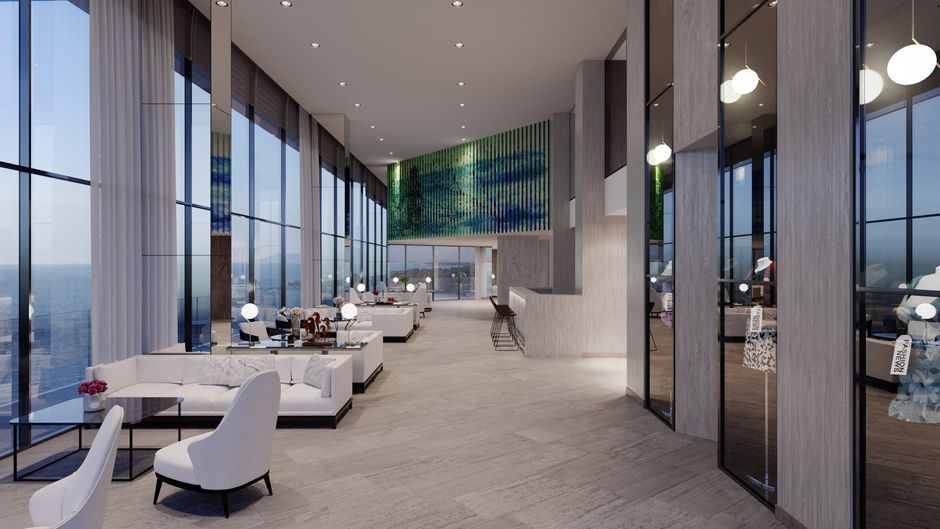
Why Quiet Luxury Hotel Is at an Inflection Point in 2026
The concept of a Quiet Luxury Hotel is not merely a passing design fad; it represents a fundamental re-evaluation of value in hospitality. Several powerful forces are converging to push this trend to an inflection point:
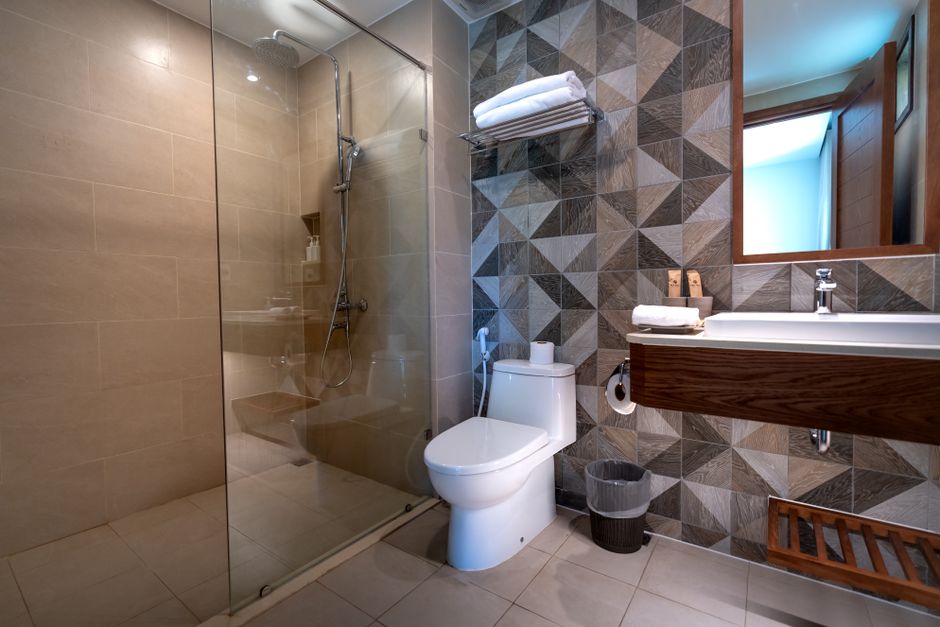
- Evolving Guest Expectations: Post-pandemic, travelers are prioritizing well-being, authenticity, and restorative experiences. They seek environments that offer a sense of calm and genuine connection, rather than performative extravagance. This psychological shift demands furniture and finishes that contribute to a serene atmosphere, emphasizing comfort, quality, and timelessness.
- Sustainability Pressures: Growing environmental consciousness among guests and regulatory bodies is influencing sourcing. There’s increased demand for FF&E made from natural, ethically sourced, and durable materials, reducing the lifecycle impact. Hotels are under pressure to demonstrate tangible commitments to sustainability, which impacts material selection for every piece of furniture.
- Supply Chain Resilience: Recent global disruptions have highlighted the fragility of complex supply chains. This has led procurement teams to prioritize suppliers who offer transparency, reliability, and robust manufacturing processes. The emphasis on quality and durability inherent in quiet luxury naturally aligns with a desire for products that are built to last, reducing reliance on frequent replacements.
- Cost Inflation and Long-Term Value: With persistent cost inflation across construction and manufacturing, initial FF&E investments are under greater scrutiny. The focus has shifted to total cost of ownership (TCO), favoring durable, high-quality furniture that reduces maintenance, repair, and early replacement cycles. A well-designed Quiet Luxury Hotel room, featuring robust furniture, offers a longer aesthetic and functional lifespan.
- Digital Fatigue: In an increasingly connected world, guests are seeking spaces that encourage unplugging and sensory grounding. Design elements that promote calm, tactile engagement, and a respite from digital overload are highly valued. This means furniture choices must support relaxation and introspection, often through natural textures and thoughtful ergonomics.
The Trends Redefining Quiet Luxury Hotel Right Now
Tactile Guest Room Material and Natural Finishes
What is happening: There is a distinct move away from glossy, highly polished surfaces and synthetic materials towards authentic, natural textures. Think solid wood with visible grain, honed stone, linen, wool, boucle fabrics, and ceramic elements. The emphasis is on materials that invite touch and convey an intrinsic sense of quality.
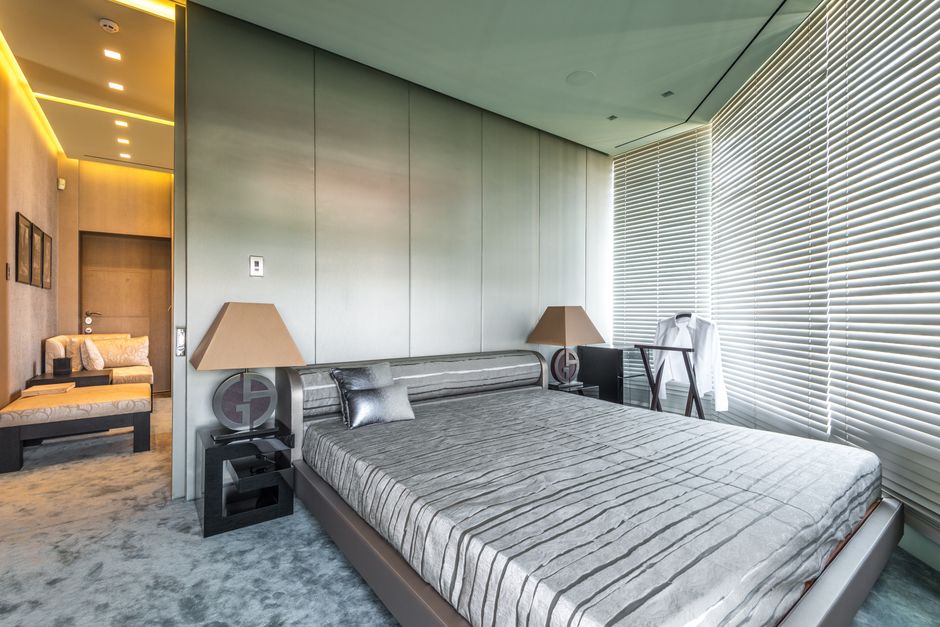
Why it is happening: This shift is deeply rooted in biophilic design principles and a desire for authenticity. Guests are seeking a connection to nature and materials that feel genuine and grounding. Natural finishes also tend to age more gracefully, contributing to the timelessness central to quiet luxury. Furthermore, advancements in sustainable sourcing and manufacturing make these materials more accessible and certifiable.
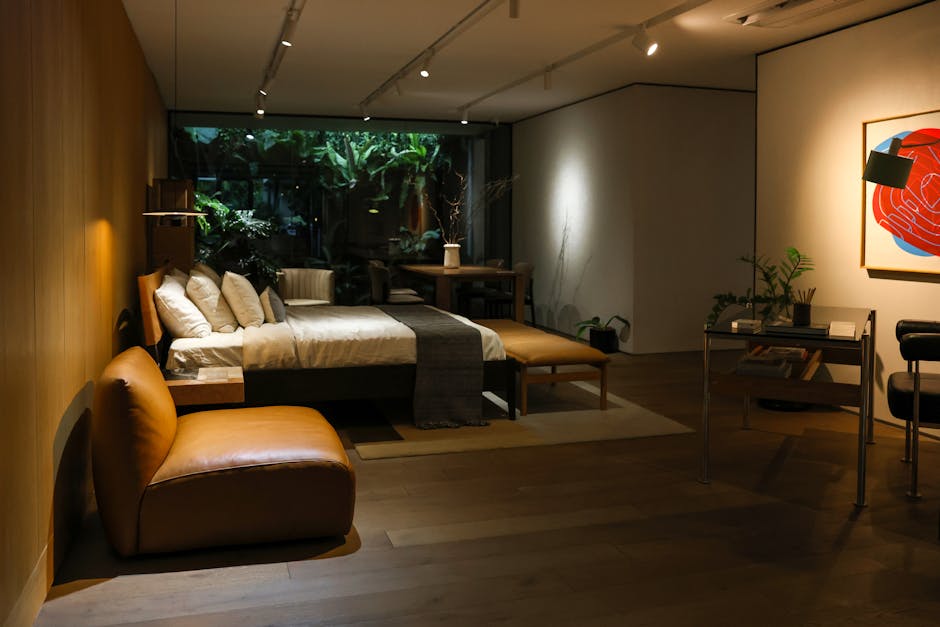
What it means for hotel buyers specifically: FF&E procurement managers and interior designers must prioritize material specifications that emphasize durability, natural origin, and certifications (e.g., FSC-certified wood, OEKO-TEX certified fabrics). RFQs should explicitly request details on material composition, origin, and environmental impact. For example, opting for solid oak dressers with a matte finish over high-gloss laminates, or specifying linen upholstery for seating, significantly elevates the perceived value and guest experience. Thoughtful selection of luxury hotel color palettes that complement these natural materials is also crucial.
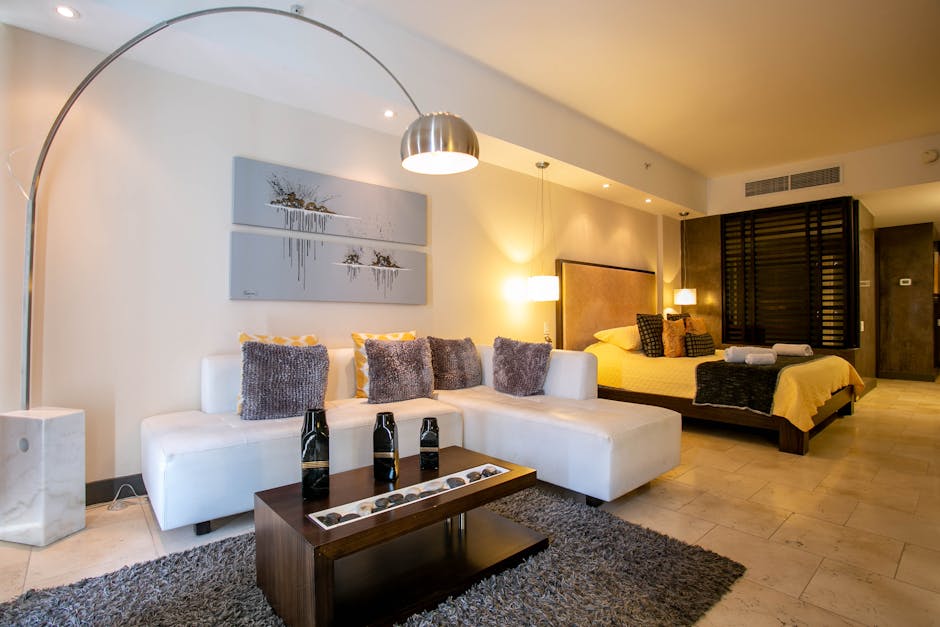
Understated Elegance and Functional Minimalism
What is happening: Design is trending towards clean lines, thoughtful proportions, and a deliberate absence of overt branding or flashy ornamentation. Furniture pieces are selected for their inherent quality, ergonomic comfort, and often, multi-functionality, rather than their ability to make a bold statement.
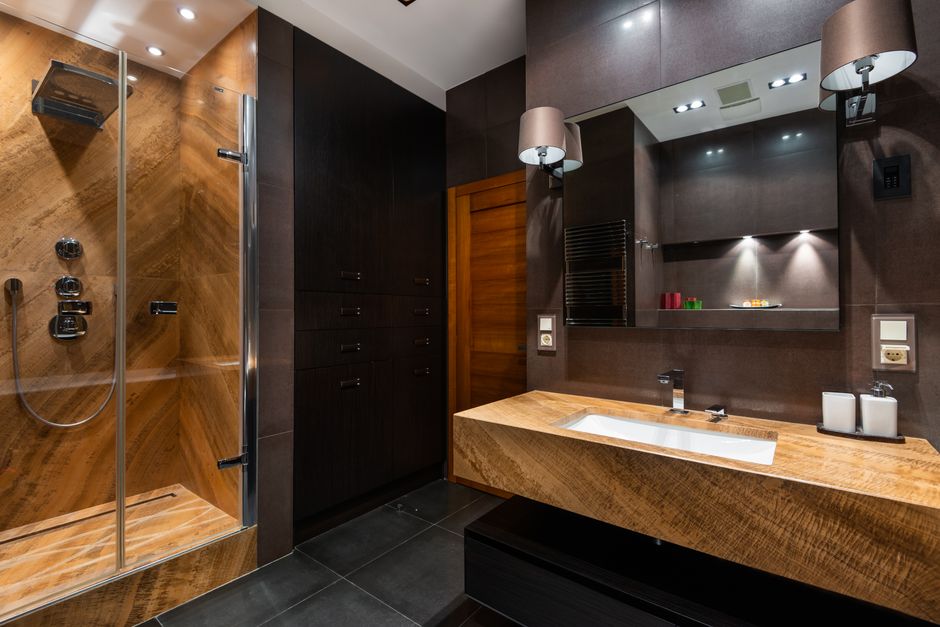
Why it is happening: This trend reflects a guest preference for sophisticated simplicity. Guests want spaces that feel curated and calming, not cluttered or ostentatious. Functional minimalism supports a restorative environment by reducing visual noise and allowing the quality of materials and craftsmanship to speak for itself. It’s about comfort and utility seamlessly integrated into refined design.
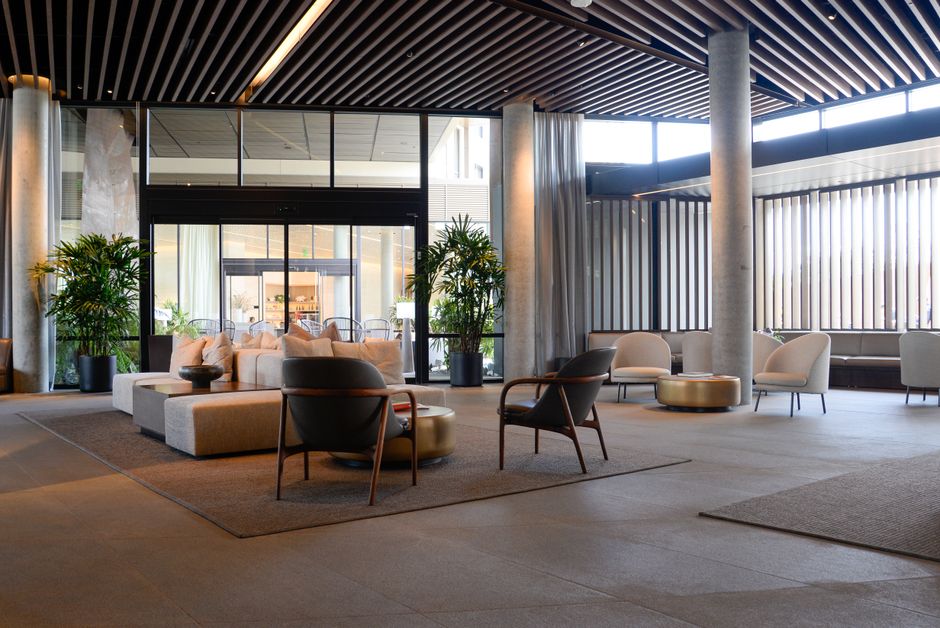
What it means for hotel buyers specifically: When sourcing Quiet Luxury Hotel Furniture, evaluate designs for their timeless appeal and adaptability. Prioritize pieces that offer dual functionality, such as a console table that also serves as a discreet workspace, or a lounge chair designed for both relaxation and reading. Focus on the subtle details: precision joinery, concealed hardware, and balanced proportions. Suppliers who can demonstrate a deep understanding of ergonomic design and material science will be key partners.
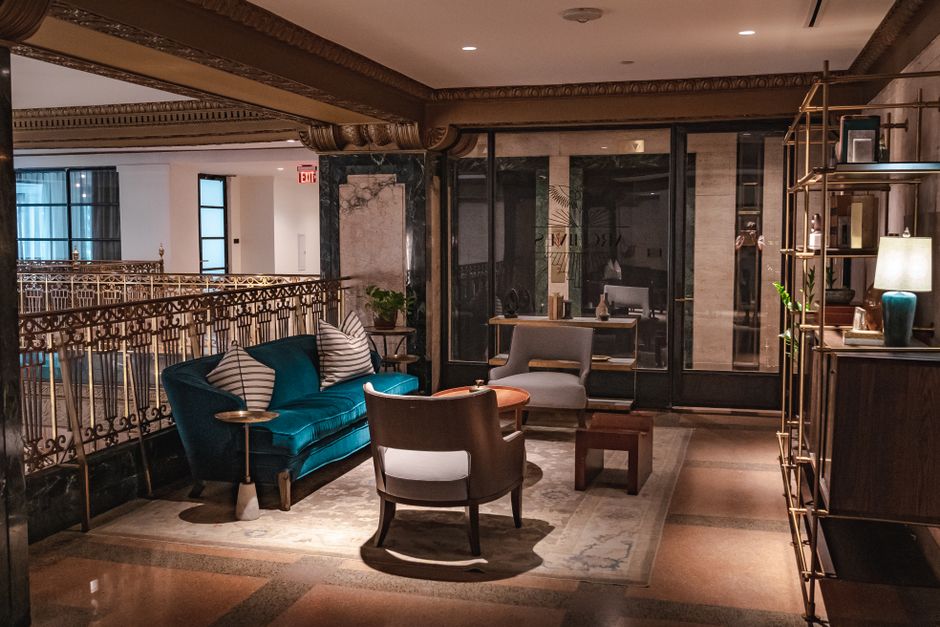
Restorative Hospitality Design Trends Through Integrated Wellness
What is happening: Hotels are increasingly integrating wellness features directly into their design, extending beyond the spa to every guest touchpoint. This includes optimizing acoustics, implementing circadian lighting systems, providing personalized comfort controls, and creating a seamless flow between indoor and outdoor spaces where possible. The entire guest journey is designed to promote relaxation and rejuvenation.
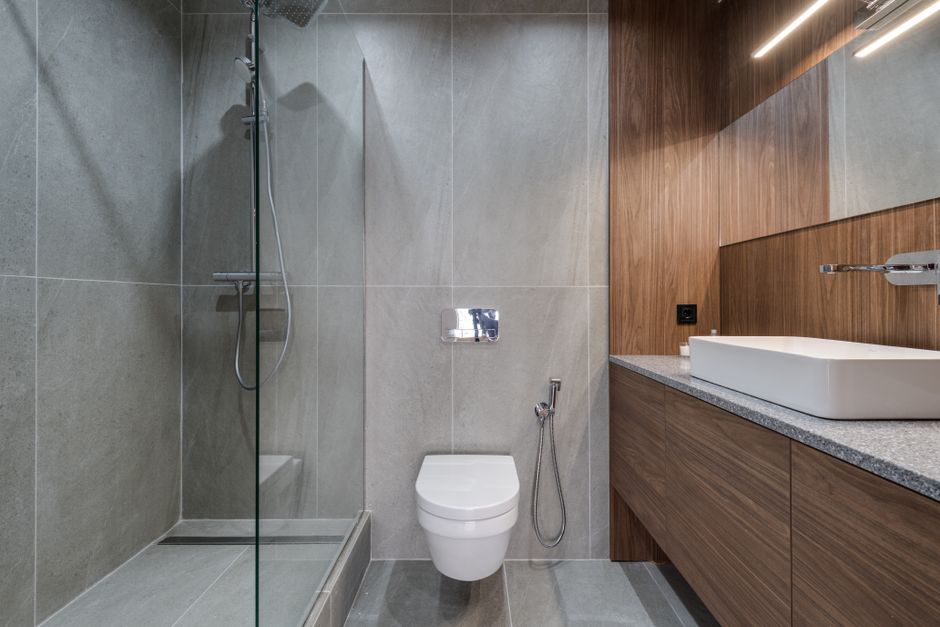
Why it is happening: Wellness has become a primary driver for modern travelers. Guests are looking for hotels that act as sanctuaries, helping them de-stress and recover from travel fatigue. This macro trend translates into design choices that actively support physical and mental well-being, making the guest room a truly restorative space.
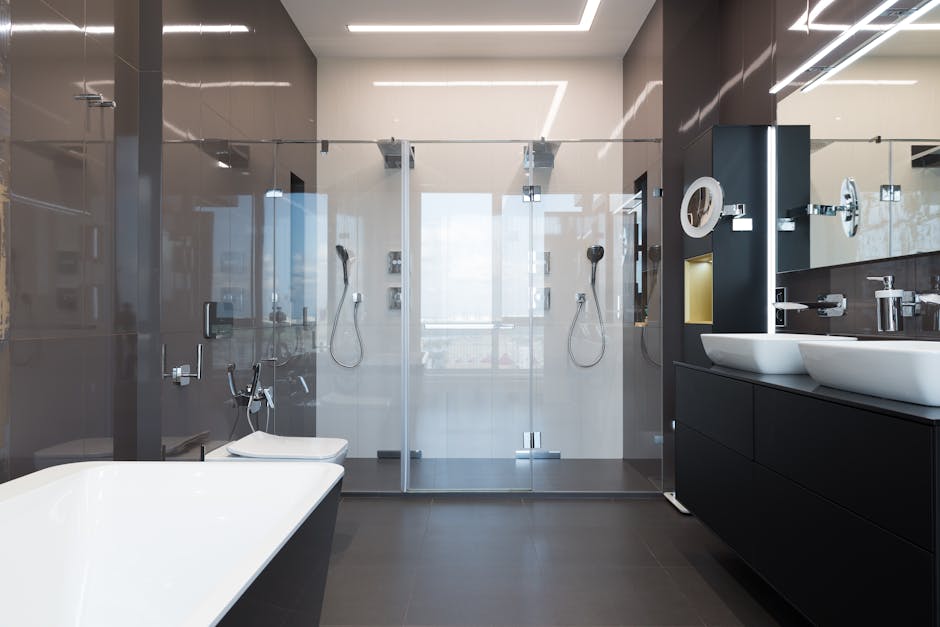
What it means for hotel buyers specifically: FF&E procurement must consider how each furniture piece contributes to the overall wellness narrative. This means assessing items for their acoustic properties (e.g., upholstered headboards, rugs for sound dampening), ergonomic support (e.g., task chairs, mattresses), and compatibility with smart room systems. For instance, selecting fabrics that absorb sound rather than reflect it, or specifying beds with adjustable firmness, are now critical considerations. This is a core aspect of modern hotel furniture trends.
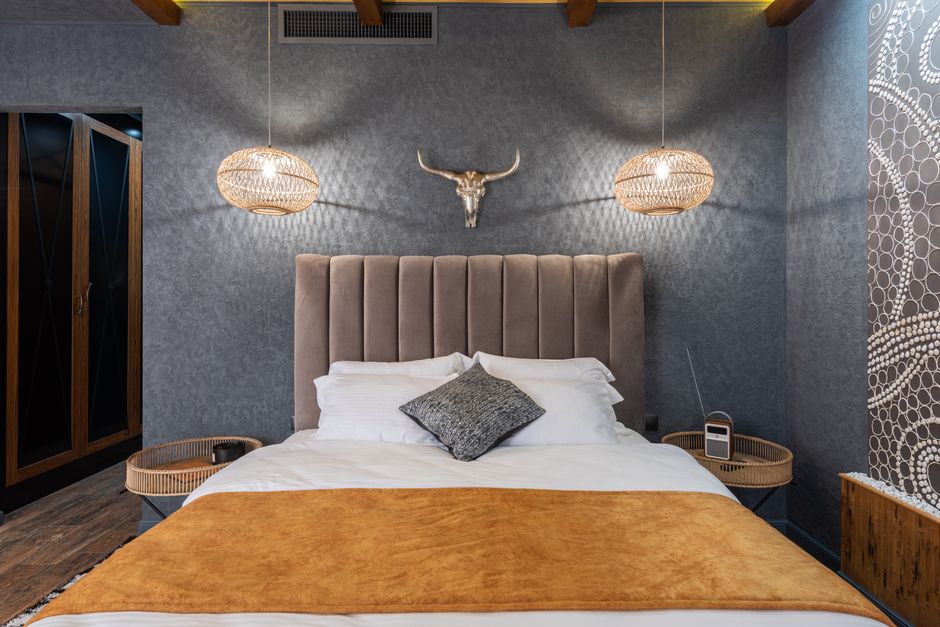
Durability and Timelessness as Sustainable Investments
What is happening: There’s a pronounced shift towards investing in high-quality, robust furniture and finishes designed for longevity. The goal is to specify items that resist seasonal trends and frequent replacement, embodying a “buy once, buy well” philosophy.
Why it is happening: This trend addresses both sustainability goals and cost inflation. By reducing the frequency of renovations and replacements, hotels minimize waste and resource consumption, aligning with environmental commitments. From a financial perspective, durable FF&E reduces ongoing maintenance costs and extends the asset’s useful life, offering a superior return on investment over time. Industry data suggests that a focus on durability can reduce FF&E lifecycle costs by 15-20% over a 10-year period.
What it means for hotel buyers specifically: Procurement focus must shift from the lowest upfront cost to the total cost of ownership. Demand robust construction techniques (e.g., solid wood joinery over particleboard, high-density foam for upholstery), easily repairable components, and extended warranties. Seek out suppliers who provide transparent material specifications and manufacturing processes. These considerations are critical for any hotel furniture cost per room guide.
Who Is Winning — and What They Are Doing Differently
Hotels and procurement teams that have embraced the Quiet Luxury Hotel ethos are seeing tangible benefits. Their success stories offer practical insights:
-
The Boutique Urban Sanctuary: A boutique hotel group, operating three properties in competitive urban centers, recently completed a comprehensive FF&E renovation. Instead of chasing fleeting design trends, their procurement team prioritized natural materials and bespoke craftsmanship. They partnered with a manufacturer capable of producing custom furniture with precise specifications, including solid ash wood desks with integrated charging, linen-blend upholstered armchairs, and beds with advanced acoustic headboards. The initial investment was slightly higher, but the result was a significant increase in guest satisfaction scores related to room comfort and ambiance. Post-renovation, their average daily rate (ADR) has seen a 12% uplift, with guests specifically citing the “calm and sophisticated atmosphere” in online reviews.
-
The Resort Developer’s Strategic Play: A developer undertaking a new 300-room resort project in Southeast Asia adopted a “future-proof” approach to FF&E. Their procurement strategy focused on suppliers offering comprehensive one-stop solutions, from design consultation to installation. They specifically sought partners with certifications like ISO 9001 and ISO 14001, demonstrating commitment to quality and environmental management. By engaging a manufacturer with in-house design capabilities early in the process, they ensured that every piece of custom furniture, from the lobby’s stone-top communal tables to the guest room’s upholstered benches, aligned perfectly with the property’s understated luxury vision. This integrated approach resulted in a streamlined project timeline and an estimated 10% reduction in overall FF&E project management costs, alongside a durable and cohesive design.
The Risks of Standing Still
For hotels that fail to adapt to the evolving guest preferences for a Quiet Luxury Hotel experience, the consequences can be significant and costly:
- Increased Renovation Cycles and Costs: Ignoring the demand for timeless, durable design means investing in trendy, lower-quality furniture that quickly looks dated or wears out. This necessitates more frequent renovations, incurring substantial costs for replacement FF&E, labor, and downtime. Industry analysis indicates that properties with a “fast furniture” approach may face renovation cycles of 3-5 years, compared to 7-10 years for those investing in enduring quality.
- Competitive Disadvantage and Lower Occupancy/ADR: In a crowded market, hotels that fail to deliver the desired guest experience will struggle to attract and retain discerning travelers. Competitors offering a more authentic, restorative, and sophisticated environment will capture market share, leading to lower occupancy rates and downward pressure on average daily rates (ADR). This directly impacts profitability.
- Guest Experience Gaps: Rooms perceived as generic, visually cluttered, or lacking in genuine comfort will lead to negative guest feedback. A lack of high-quality, tactile guest room material and poorly considered layouts can create an environment that feels unsettling rather than soothing. This results in reduced repeat bookings, unfavorable online reviews, and a diminished brand reputation.
- Higher Operational Expenses: Inferior quality furniture requires more frequent maintenance, repairs, and cleaning, driving up operational expenses. Components like weak joinery, low-density foam, or non-commercial grade fabrics lead to premature wear and tear, impacting the hotel’s bottom line.
What Smart Buyers Are Prioritizing in Their Next RFQ
To successfully navigate the quiet luxury trend, savvy hotel owners, developers, and procurement managers are refining their RFQs to reflect new priorities:
| Priority Area | Key Sourcing Criteria for Quiet Luxury FF&E | Why It Matters for Buyers |
|---|---|---|
| Material Integrity & Origin | Specific wood species (e.g., FSC-certified oak, walnut), stone type (honed marble, travertine), fabric composition (linen, wool blends), metal gauge (304 stainless steel). Demand transparency on ethical sourcing. | Ensures authenticity, durability, and alignment with sustainability goals. Avoids “premium” claims without substance. |
| Craftsmanship & Construction | Detailed joinery methods (dovetail, mortise and tenon), upholstery specifications (high-density foam, commercial-grade fabric rub count), precision manufacturing (CNC machining). | Guarantees longevity, reduces maintenance, and enhances the tactile experience. Directly impacts total cost of ownership. |
| Design & Functionality | Emphasis on ergonomic comfort, multi-functional design, integrated technology solutions (discreet charging), and timeless aesthetics over fleeting trends. | Elevates guest comfort and experience, future-proofs the design, and maximizes utility within the room footprint. |
| Certifications & Compliance | Supplier certifications (ISO 9001, ISO 14001, CE, SGS), material certifications (FSC, OEKO-TEX), fire ratings, and local market compliance. | Ensures quality management, environmental responsibility, and adherence to safety standards, mitigating risk. |
| Supplier Capabilities | Proven track record in custom design (OEM/ODM), in-house design team, comprehensive project management (from planning to installation), global logistics expertise, and robust after-sales support. | Streamlines the procurement process, ensures design integrity, and guarantees long-term support for FF&E assets. |
These detailed criteria move beyond superficial aesthetics, focusing instead on the intrinsic value and long-term performance of each furniture piece. Procurement teams are increasingly prioritizing partners who can offer comprehensive solutions, from early-stage design consultation to seamless logistics and installation. They are looking for expertise in bespoke manufacturing that translates a design vision into a durable, functional reality.
The imperative to deliver a truly authentic and restorative guest experience means that the sourcing of custom furniture for a Quiet Luxury Hotel is more strategic than ever. Hotels that invest wisely in FF&E that embodies durability, thoughtful design, and natural materials will not only meet but exceed evolving guest expectations. This approach ensures competitive advantage, enhanced guest satisfaction, and a stronger return on investment for years to come.
At Zhobai Hotel Furniture, we understand these evolving demands. With over 15 years of experience specializing in custom furniture for 5-star hotels and resorts worldwide, our approach aligns perfectly with the quiet luxury movement. Our professional in-house design team collaborates closely with clients from early-stage planning, ensuring that every piece of furniture, from the initial concept to the final installation, reflects a commitment to quality, functionality, and timeless design. We offer a true one-stop solution, covering design, manufacturing, logistics, and installation, backed by certifications like CE, ISO, SGS, and FDA. Our OEM/ODM capabilities mean we can translate your unique vision for a custom hotel furniture project into reality, delivering factory-direct pricing without compromising on the enduring quality and understated elegance that defines the modern quiet luxury hotel. Discover how we can support your next project by visiting our services page or contacting our team for a consultation.