Imagine securing what appears to be an unbeatable deal on custom hotel furniture—units priced 15% below market average. You sign the contract, confident in your savings, only for the project to unravel. Delays accumulate due to poor quality control, requiring extensive re-work. Freight costs balloon from unexpected warehousing fees. Within two years, upholstery shows premature wear, and casegoods delaminate, necessitating early replacement. That initial 15% saving vanishes, replaced by a 30% overrun in total project costs and a damaged brand reputation. This scenario is a common, costly pitfall for hotel owners and procurement managers who focus solely on the upfront unit price without understanding the comprehensive cost to furnish a hotel.
The Real Cost of Getting the Cost to Furnish a Hotel Wrong
Mismanaging your hotel FF&E budget breakdown extends far beyond a simple accounting error. It directly impacts your property’s long-term profitability and guest satisfaction. A low-quality furniture package, while seemingly economical at first, leads to accelerated wear and tear. This translates into increased maintenance expenses, frequent repair cycles, and premature replacement. For a 200-room hotel, replacing just 20% of guestroom seating due to poor durability can incur an additional $40,000 to $60,000 in unexpected capital expenditure within three to five years.
Beyond direct financial hits, suboptimal furniture choices compromise the guest experience. Faded fabrics, wobbly tables, or uncomfortable seating directly influence guest reviews, potentially lowering occupancy rates and average daily rates (ADR). In 2026, where online reviews are paramount, a consistent decline in guest satisfaction can erode brand equity, making it difficult to compete. The true cost of furnishing a hotel incorrectly is measured in lost revenue, operational inefficiencies, and diminished asset value.

The Decision Framework — What to Evaluate Before You Choose
Navigating the complexities of hospitality furniture procurement requires a strategic framework. Understanding the true cost to furnish a hotel involves more than just unit prices. It demands a holistic evaluation of several critical criteria that influence both upfront investment and long-term operational efficiency.
Total Cost of Ownership (TCO) vs. Unit Price
Focusing solely on the lowest unit price is a common procurement misstep. Instead, evaluate the Total Cost of Ownership (TCO), which includes purchase price, freight, installation, maintenance, and anticipated replacement cycles. For example, a commercial-grade guestroom chair priced at $450 with a 10-year lifespan is a better investment than a $300 chair requiring replacement every three years. The cheaper chair would cost $900 over a decade, not accounting for labor and disposal, making the higher initial investment the more economical choice in the long run.
Material Specifications and Durability Standards
The choice of materials dictates both initial cost and longevity. For casegoods, high-pressure laminates (HPL) or thermally fused laminates (TFL) offer superior scratch and moisture resistance compared to some wood veneers, often at a 20-35% lower cost per unit. For upholstered items, specify fabrics with a Wyzenbeek double rub rating of at least 50,000 for high-traffic areas. Ensure all materials comply with relevant fire retardancy standards, such as CAL 117-2013 in the US or BS 5852 in the UK, which adds a mandatory cost factor but is non-negotiable for safety and compliance.
Manufacturing Capabilities and Customization
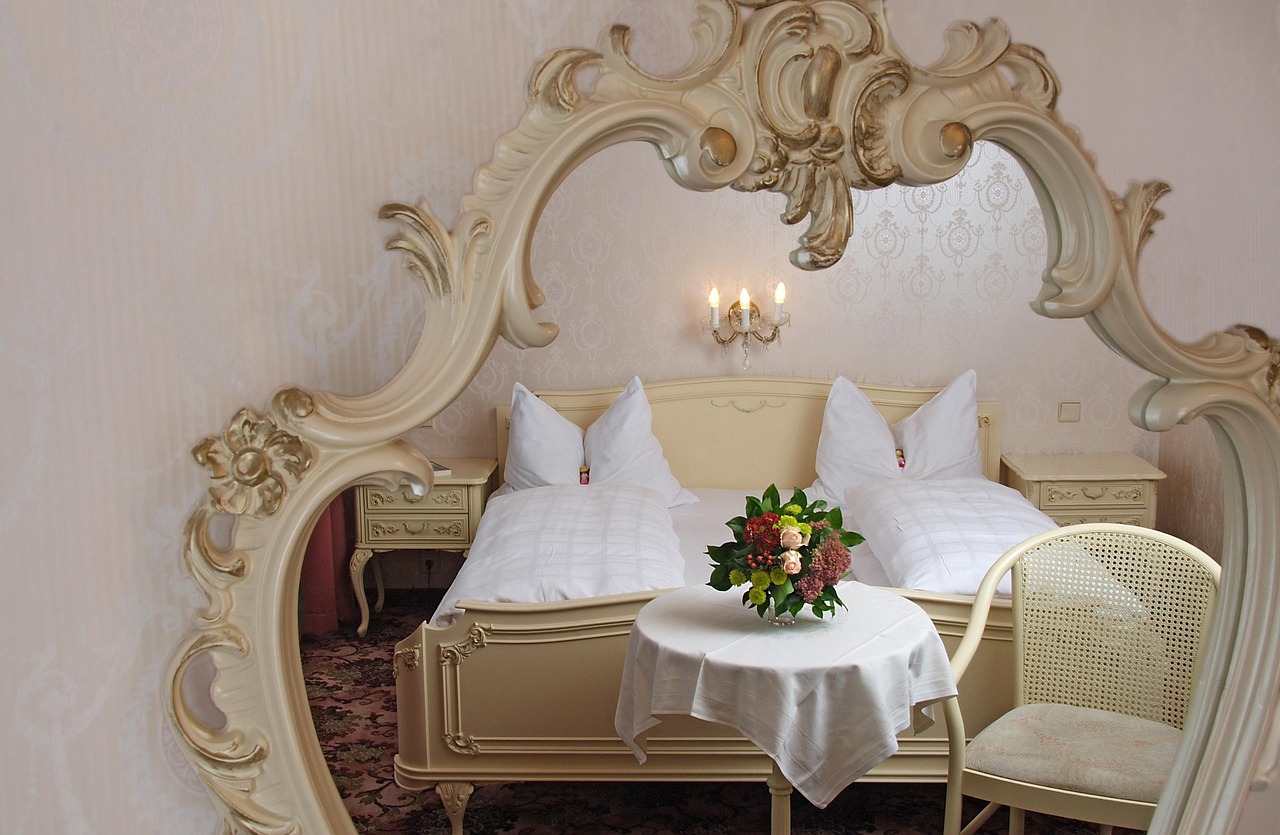
Your project may require specific aesthetics or dimensions. A supplier offering robust OEM/ODM (Original Equipment Manufacturer/Original Design Manufacturer) services can tailor furniture to your exact design vision. This avoids compromises on style and functionality. Understand their minimum order quantities (MOQs) for custom pieces, which typically range from 50 to 100 units per design to amortize tooling and engineering costs efficiently. A strong in-house design team, like Zhobai Hotel Furniture’s, can translate your concepts into manufacturable designs, ensuring both aesthetic integrity and structural soundness.
Logistics, Installation, and After-Sales Support
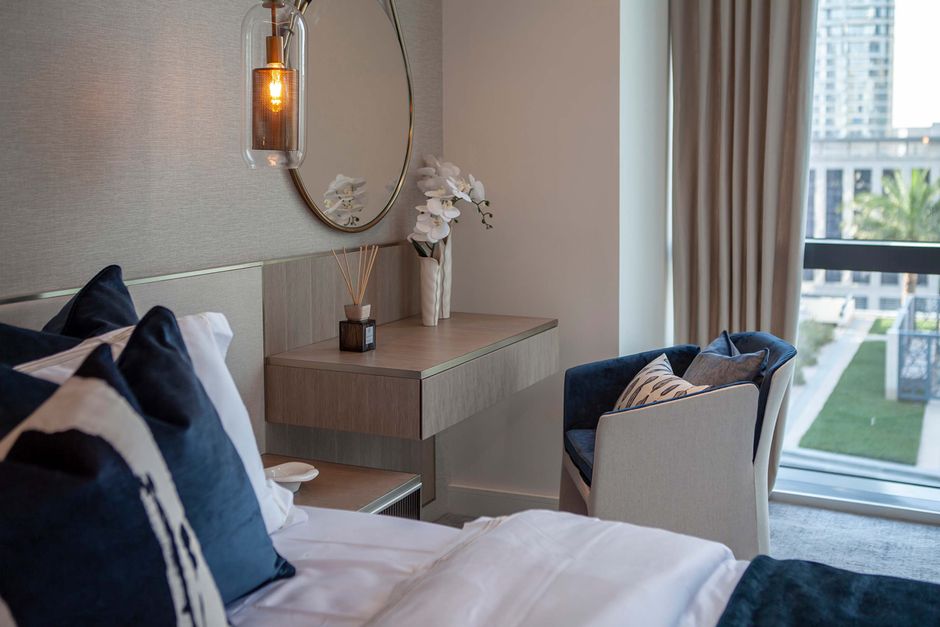
The journey from factory floor to guestroom involves complex logistics. A one-stop solution provider covering manufacturing, freight, and installation can significantly streamline your project. White-glove installation, which includes uncrating, assembly, placement, and debris removal, typically adds $150 to $350 per room. Always confirm the warranty terms—a minimum 5-year commercial warranty for casegoods and a 3-year warranty for upholstery frames is standard. Robust after-sales support ensures swift resolution of any post-installation issues, safeguarding your investment.

To provide a clear perspective on the varying investment levels, consider the following table for estimated hotel furniture cost per room based on property tier in 2026:
| Project Tier | Estimated Hotel Furniture Cost Per Room (USD) | Typical Furniture Lifespan | Key Considerations |
|---|---|---|---|
| Economy / Budget | $2,800 – $4,800 | 5 – 7 years | Standardized designs, high-durability laminates, efficient wholesale hotel furniture pricing |
| Mid-Scale / Business | $6,500 – $9,500 | 7 – 10 years | Balance of custom and standard, enhanced material durability, focus on guest comfort |
| Upper-Upscale / 4-Star | $12,000 – $20,000 | 10 – 12 years | Significant customization, higher-grade finishes, robust construction for frequent use |
| Luxury / 5-Star | $22,000 – $35,000+ | 12 – 15+ years | Extensive bespoke design, premium materials, meticulous craftsmanship, extended warranty |
What Separates a Good Supplier from a Great One
In the competitive landscape of hospitality procurement, distinguishing between a merely competent supplier and a truly exceptional partner is crucial. A great supplier doesn’t just deliver products; they provide expertise, transparency, and a commitment to your project’s success, directly influencing the overall cost to furnish a hotel.
- Comprehensive One-Stop Solution: Does the supplier manage the entire process from initial design and manufacturing to logistics and installation? A partner like Zhobai Hotel Furniture, offering a complete end-to-end solution, minimizes coordination headaches and potential cost overruns from fragmented services.
- Proven Quality Control Processes: Ask about their QC protocols. A great supplier will detail their multi-stage inspection process, from raw material checks to pre-shipment audits. For instance, a 47-point QC inspection ensures consistent quality and reduces on-site defect rates to below 2%.
- Certifications and Compliance: Can they provide valid certifications like CE, ISO, SGS, and FDA? These indicate adherence to international quality, safety, and environmental standards, crucial for global projects and ensuring product integrity.
- Professional In-House Design Team: Does the supplier have a dedicated design team capable of translating your vision into detailed technical drawings and 3D renders? This ensures design intent is maintained and avoids costly misinterpretations during manufacturing.
- Transparent Lead Times and Production Schedules: A reputable supplier provides realistic lead times—typically 12-16 weeks for standard orders and 20-24 weeks for highly customized projects—and adheres to them. They offer clear production updates, allowing you to plan your project timeline effectively.
- Strong project portfolio and References: Review their past projects. Do they have experience with similar property types or scales? Request references from previous clients to verify their performance, reliability, and ability to meet project demands.
Red Flags and Non-Negotiables — When to Walk Away
While the allure of low pricing can be tempting, certain warning signs indicate a supplier might be a liability rather than an asset. Recognizing these red flags early can save your project from significant delays, budget overruns, and quality compromises, ultimately impacting the cost to furnish a hotel.

- Unrealistically Low Bids: If a bid is significantly lower—say, 25-30% below other reputable quotes—it’s a major red flag. This often signals a compromise on material quality, labor standards, or hidden costs that will surface later. Always question why a price seems too good to be true.
- Lack of Transparency on Materials or Manufacturing: A supplier unwilling to disclose specific material grades, sourcing origins, or manufacturing processes is problematic. Demand clear specifications for wood types, upholstery fabrics, hardware, and finishes. Vague descriptions like ‘premium wood’ or ‘high-quality fabric’ without supporting data are unacceptable.
- No Clear Warranty or After-Sales Support: A supplier who cannot provide a detailed, written warranty for their products or offer a clear process for post-delivery issues should be avoided. This indicates a lack of confidence in their product and a potential abandonment once the sale is complete.
- Inability to Provide Relevant Certifications or Project References: If a supplier claims to meet international standards but cannot provide valid CE, ISO, or SGS certifications, or if they lack a verifiable portfolio of completed projects, their credibility is questionable.
- Resistance to Model Room Mock-ups or Phased Deliveries: A refusal to produce a single model room mock-up for approval before mass production is a critical warning sign. This essential step allows you to verify design, ergonomics, and quality. Similarly, inflexibility regarding phased deliveries, which helps manage on-site logistics and potential construction delays, suggests a supplier focused on their convenience over your project’s needs.
How Top Hotels Approach the Cost to Furnish a Hotel Differently
Leading hotel brands and developers don’t just buy furniture; they strategically invest in FF&E as a core component of their brand identity and operational efficiency. Their approach to the cost to furnish a hotel is characterized by foresight, rigorous due diligence, and a long-term perspective.
Case Study 1: The Urban Boutique Hotel
An urban boutique hotel chain, developing a new 150-room property in a competitive market, prioritized unique guest experiences. Instead of opting for off-the-shelf solutions, they partnered with a manufacturer offering extensive ODM services. Their in-house design team collaborated closely with the supplier to develop custom headboards with integrated lighting, bespoke lounge chairs, and modular casegoods tailored to compact room layouts. While the per-key furnishing cost was on the higher end of the 4-star hotel room furnishing cost range at $18,500, the distinct aesthetic and superior functionality garnered exceptional guest reviews, driving higher ADRs and repeat business, quickly recouping the initial investment.
Case Study 2: The Large-Scale Resort Renovation
A major resort undertaking a 400-room renovation faced the challenge of minimizing downtime while upgrading to durable, contemporary furniture. Their procurement team focused on suppliers with robust logistics capabilities and proven experience in large-scale phased rollouts. They selected a partner who could manufacture, warehouse, and deliver furniture in batches, aligning perfectly with the renovation schedule. By specifying high-wear materials and negotiating a comprehensive 7-year warranty, they ensured the new furniture would withstand heavy usage for over a decade, significantly reducing future replacement costs and operational interruptions. This strategic approach to wholesale hotel furniture pricing and delivery minimized revenue loss during the renovation period.
Case Study 3: The New Build Mid-Scale Property
A developer constructing a new 250-room mid-scale hotel aimed for optimal value without compromising quality. Their strategy involved a meticulous hotel FF&E budget breakdown, prioritizing durability and ease of maintenance. They leveraged a supplier’s existing design library for core casegoods but requested minor modifications (OEM) to finishes and hardware for brand alignment. This balanced approach allowed them to achieve a high-quality aesthetic within the $8,000 per room budget. They insisted on a full model room mock-up, identifying and rectifying a minor design flaw in the desk unit before mass production, preventing a potential $75,000 in rework costs across the entire project.
Your Action Plan — Next Steps for Your Project
Effectively managing the cost to furnish a hotel demands a structured, proactive approach. Here’s a concise action plan to guide your next steps:
- Define Your Project Scope and Budget: Clearly outline your design vision, material preferences, and target lifespan for furniture. Establish a realistic hotel FF&E budget breakdown, including a 5-8% contingency for unforeseen expenses.
- Develop Detailed Specifications: Work with your interior designers to create precise specifications for all furniture items, including dimensions, materials, finishes, and durability ratings (e.g., Wyzenbeek for fabrics, fire safety standards).
- Research and Vet Potential Suppliers: Identify suppliers with relevant experience in your property tier and geographic requirements. Look for those offering comprehensive services, strong QC, and clear certifications.
- Request Comprehensive Bids: Submit your detailed specifications to pre-qualified suppliers. Ensure bids include not only unit prices but also freight, installation, taxes, and estimated lead times.
- Conduct Thorough Due Diligence: Review supplier portfolios, check references, and verify certifications. If possible, visit their factory or a completed project to assess quality firsthand.
- Mandate a Model Room Mock-up: Before authorizing full production, insist on a complete mock-up of a typical guestroom. Use this opportunity to scrutinize every detail, from ergonomics to finish consistency.
- Negotiate a Robust Contract: Ensure your contract includes clear terms for payment schedules, warranties, delivery timelines, quality control checkpoints, and a dispute resolution process.
Managing the complex cost to furnish a hotel requires a strategic partner who understands the nuances of hospitality procurement. At Zhobai Hotel Furniture, we’ve spent 15+ years delivering custom furniture solutions for 5-star hotels, resorts, and boutique properties worldwide. Our one-stop solution, from early-stage planning and in-house design to manufacturing, logistics, and installation, is built precisely around the principles of transparency, quality, and long-term value. We are certified by CE, ISO, SGS, and FDA, reflecting our commitment to global standards. Let’s start a conversation about how our expertise can optimize your next project and ensure your investment yields lasting returns.