Executive Summary: A Property Improvement Plan (PIP) from a major brand like Marriott or Hilton is a mandatory capital event that can cost $8,000 to $50,000 per key. The single largest controllable line item is furniture. This article provides asset managers and project managers a systematic framework to reduce CapEx by up to 30% through value engineering and phased, occupied-hotel delivery, while passing every brand audit. We compare two factory approaches, detail the real compliance standards, and explain how sourcing from a contract furniture manufacturer in China with mock-up room capability eliminates cross-border rework risk.
Table of Contents
Learn more about case study of a phased DoubleTree Hilton renovation.
Learn more about our detailed guide on commercial contract furniture value engineering.
- 1. What a PIP Actually Is — And Why Furniture Is the Budget Landmine
- 2. The Real Numbers: PIP & FF&E Cost Benchmarks (2025–2026)
- 3. Brand Standard Compliance — What the Audit Actually Checks
- 4. Value Engineering: The Tale of Two Factories
- 5. Phased Execution & JIT Delivery — Renovate Without Closing
- 6. FF&E Liquidation, Soft Goods Timeline & the Hidden Line Items
- 7. Sourcing From a Contract Furniture Manufacturer in China
- 8. FAQ
1. What a PIP Actually Is — And Why Furniture Is the Budget Landmine
A Property Improvement Plan (PIP) is a brand-mandated renovation required when a property joins a franchise system, changes ownership, or renews a membership agreement. Marriott, Hilton, IHG, and other flags issue these reports to bring the physical asset up to current brand standards. For asset managers, the PIP is both a cost and a lever: doing it right lifts asset value and guest scores; failing to control costs can force a sale or termination of the franchise agreement.
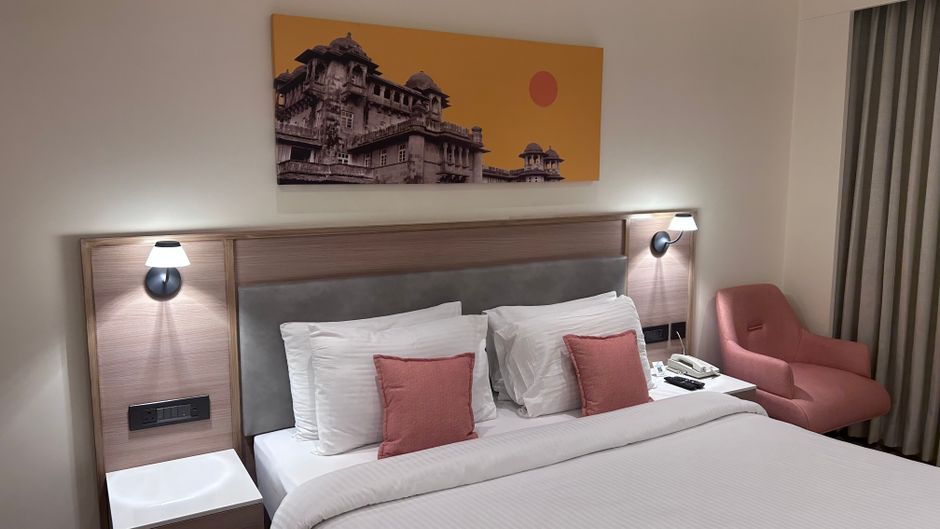
The hotel PIP renovation furniture component is typically the largest and most cost-volatile line item. FF&E (furniture, fixtures, and equipment) accounts for 7–10% of total construction cost in new builds, but in a renovation it jumps to 25–40% of the budget. Guestroom casegoods alone — beds, wardrobes, desks, nightstands — multiply by the room count and can consume over half the FF&E allocation. The common mistake is to focus only on purchase price while ignoring total cost of ownership. Commercial-grade furniture built to BIFMA standards lasts 7–10 years; residential-grade substitutes may fail in 3–4 years, effectively doubling per-key cost over a PIP cycle.
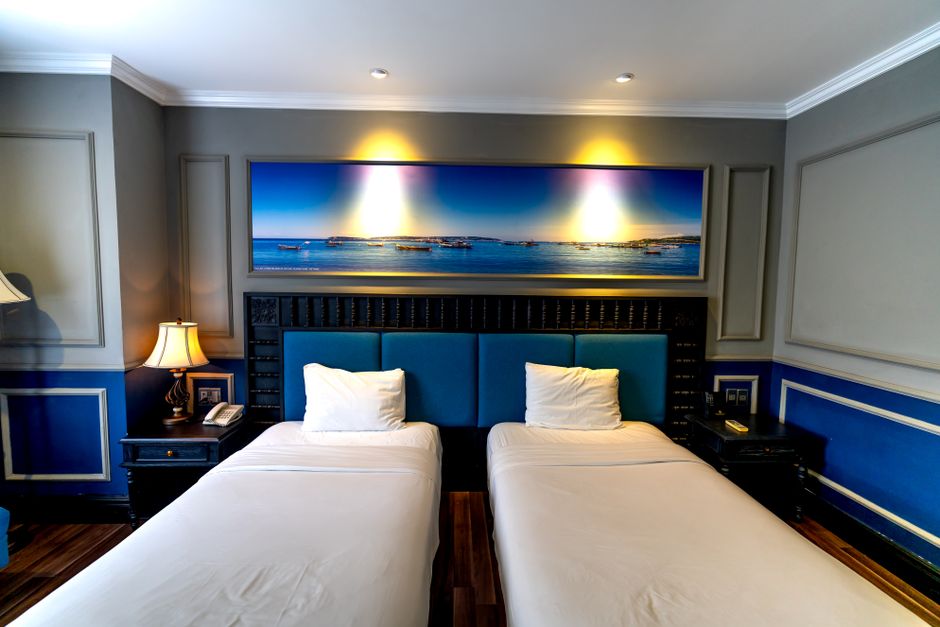
Brand audit teams do not evaluate aesthetics; they check measurable compliance: fabric Martindale rub counts, foam density, fire ratings, and structural load tests. Missing a single certification on a lobby sofa can stall the entire PIP sign-off. That is why every hotel PIP renovation furniture strategy must start with a clear understanding of what the audit measures — not what the designer prefers.
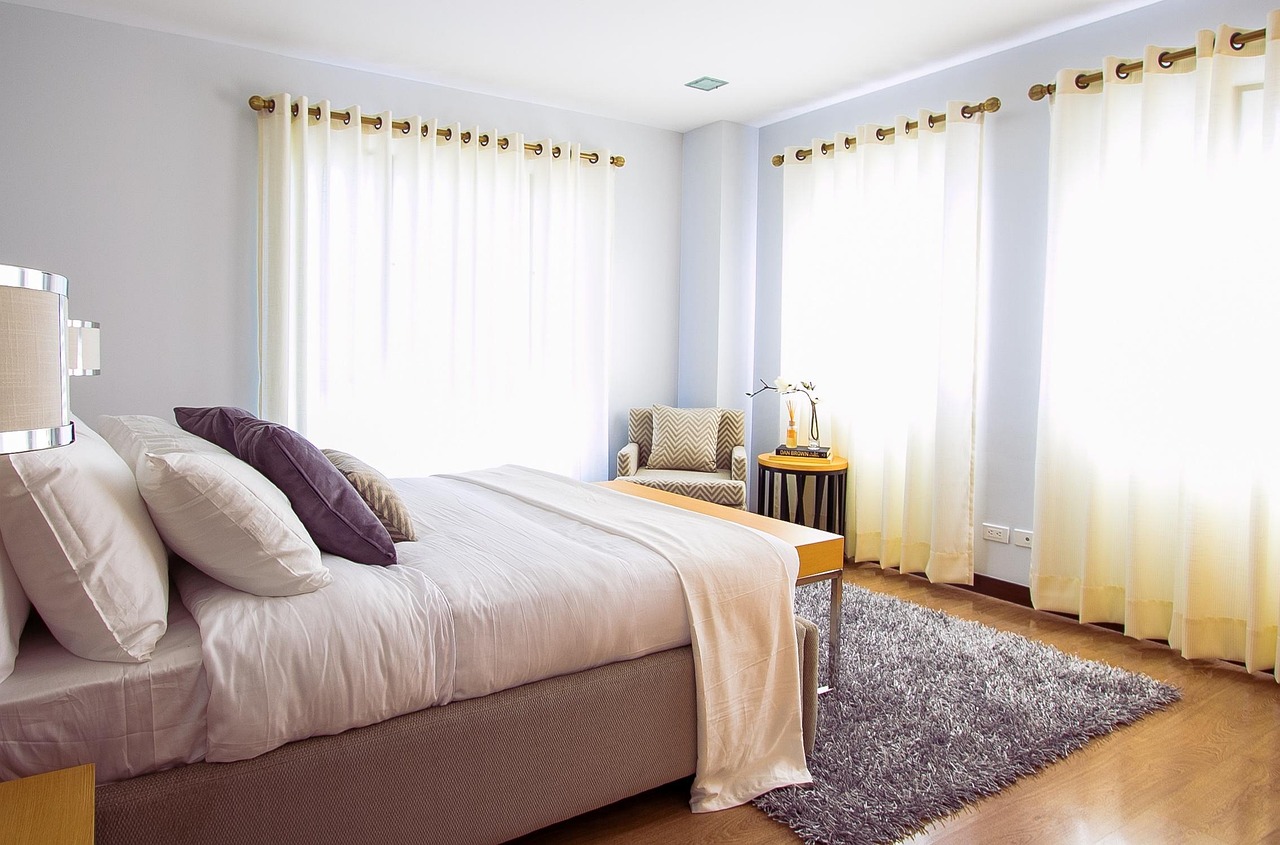
One real-world example: an asset manager receives a PIP report requiring all guestroom wardrobes, luggage racks, and desks to be replaced. The first supplier quotes full demolition and replacement at $18,000 per room. The second supplier — a factory with engineering depth — proposes retaining the stable plywood wardrobe carcass, replacing only the HPL veneer and hardware. Per-key cost drops to $12,000, a 33% saving. Both meet brand standards. The difference is value engineering applied to hotel PIP renovation furniture.
2. The Real Numbers: PIP & FF&E Cost Benchmarks (2025–2026)
Understanding the cost landscape is essential for hospitality capex budget planning. The following benchmarks are based on 2025–2026 industry data from HVS, MMCG Investment, and SARA Hospitality.
2.1 Per-Key PIP Cost Ranges
| Item | Range | Notes |
|---|---|---|
| PIP total per key | $8,000 – $50,000 | Depends on brand tier, property condition, scope |
| PIP cost inflation vs pre-2020 | +30% or more | Material, labor, and stricter standards |
| Holiday Inn Express Formula Blue 2.2 PIP | $10,000 – $25,000/room | Typical total $940k–$2.6M per hotel |
| IHG PMS technology install (one-time) | $124,000 – $187,000 | Plus monthly fees |
2.2 Renovation Cost Benchmarks per Key
| Segment | Total Renovation/Key | FF&E (Furniture-dominant)/Key |
|---|---|---|
| Economy | $4,000 – $6,000 | $3,000 – $5,000 |
| Midscale | $7,000 – $20,000 | $5,000 – $10,000 |
| Upscale | $20,000 – $35,000 | $10,000 – $25,000 |
| Luxury | $33,000 – $46,000+ | $20,000 – $50,000+ |
These figures are planning references. Actual costs depend on geography, brand, and whether the renovation is full or FF&E-only. A focused FF&E swap — no wall moves, no MEP changes — typically costs $12,000–$35,000 per key and can be completed in 3–5 days of room downtime. The ROI is compelling: a Nashville independent hotel replaced only FF&E and saw ADR rise from $139 to $201 within 90 days, a 45% increase on a $24,500 per-key investment.
2.3 Hidden Line Items in PIP Budgets
Project managers often overlook these costs when planning hotel room renovation furniture projects:
- Old FF&E removal and disposal: $80–$150 per room (higher for mattresses and upholstered items)
- Liquidation/hauling: $100+ per room
- Installation and staging: adds approximately 13% to FF&E cost
- Opportunity cost of delay: $35–$50 per available room per month; a 2-year delay on 100 rooms equals $84,000–$120,000 in lost RevPAR potential
- FF&E reserve: industry standard 4–5% of annual revenue
Building a 10–20% contingency into the budget is mandatory for older properties. Every line item should be challenged through the lens of commercial contract furniture value engineering.
3. Brand Standard Compliance — What the Audit Actually Checks
Brand compliance is the highest-barrier section of any PIP. The audit team does not care about aesthetics; they verify physical test reports and material certifications. Understanding exactly what is measured separates a smooth sign-off from a costly rework cycle.

3.1 Three Quantifiable Compliance Dimensions
| Dimension | Test/Standard | Public Area Requirement | Guestroom Requirement |
|---|---|---|---|
| Fabric abrasion | Martindale (ISO 12947) | 80,000–100,000+ double rubs | 25,000 (headboard) to 60,000 (seating) |
| Flammability | BS 5852 Crib 5, CAL TB 117-2013, EN 1021-1/2 | Mandatory for all soft goods | CAL 117 for US brands |
| Structural durability | BIFMA X5.4 (seating), foam density ≥2.5 lb/ft³ | 250,000 front-back + 100,000 lateral cycles | Casegoods designed for 7–10 year life |
Hotel brand standard compliance is not negotiable. A single missing Martindale report on lobby seating can delay opening by weeks. Every supplier must provide independent lab reports, not in-house data.
3.2 Commercial vs. Residential — Four Non-Negotiable Differences
The furniture may look identical, but commercial-grade specifications are fundamentally different. Brand audits verify these four points:
- Frame construction: Kiln-dried hardwood (beech or oak) or steel/aluminum alloy; multiple joinery methods (mortise-tenon plus screws plus glue); no softwood or glue-only joints.
- Foam density: Minimum 2.5 lb/ft³ for public areas; below 1.8 lb/ft³ results in permanent sagging within months.
- Fabric abrasion: Minimum 50,000 double rubs for commercial use; main seating in lobbies requires 80,000+. Independent lab report mandatory.
- Fire certification: Match the market — Crib 5 for UK/Middle East, CAL 117 for US, EN 1021 for Europe. Missing certification = audit failure.
A common trap: bonded leather. A 400-room Florida hotel accepted supplier claims of “commercial grade leather” only to receive bonded leather that delaminated after 18 months. Replacement cost per chair was $125/year versus $35 for a correctly specified high-performance synthetic. The lesson: demand independent lab reports before any hotel PIP renovation furniture sample sign-off.
4. Value Engineering: The Tale of Two Factories
This section is the core of the article. Value engineering (VE) is the systematic process of reducing cost while maintaining or improving performance. Applied to commercial contract furniture value engineering, it can cut 30% from a PIP furniture budget without sacrificing compliance.
4.1 Two Factory Approaches to the Same PIP Requirement
| PIP Item | Factory A: “Tear It All Out” | Factory B: Value Engineering |
|---|---|---|
| Wardrobe not meeting standard | Full demolition + new custom build, including disposal fees | Retain solid plywood carcass, replace HPL veneer and hardware only |
| Desk / nightstand | Replace with solid wood throughout | Use LPL on hidden/low-wear surfaces, HPL on high-wear tops; hybrid material strategy |
| Desk top material | Imported solid wood | High-quality wood-grain laminate — same visual, ~30% cost reduction |
| Result per key | $18,000+ FF&E, extended downtime | $12,000 FF&E, 30% saving, no structural compromise |
4.2 The Verifiable Logic of Value Engineering
VE is not cutting corners. It is material optimization backed by engineering data. Examples:
- HPL/LPL hybrid: A dresser does not need HPL on all surfaces. Low-wear sides and back use LPL (lower cost, fewer manufacturing steps); the top and high-contact areas use HPL. The finished piece meets all performance requirements for a fraction of the material cost.
- Laminate instead of solid wood: High-quality wood-grain laminate on a desk top costs 30% less than solid wood. Guest perception is identical. The laminate meets abrasion and impact standards when properly specified (e.g., 0.8mm HPL with phenolic backing).
- Frame material downgrade in hidden areas: Internal frames can use beech instead of walnut — same structural strength, lower cost.
- Direct factory sourcing: Eliminating trading companies (15–20% markup) and local importers (30–40% markup) typically saves 20% on the total FF&E package. A contract furniture manufacturer China with in-house engineering can provide this directly.
The multiplier effect is significant: saving $6,000 per room on 200 rooms equals $1.2 million. VE consistently delivers 5–10% overall project savings according to contractor data.
When evaluating hotel guestroom casegoods upgrade options, insist that the supplier provides a detailed VE proposal that identifies each component’s material, gauge, and alternative. The goal is to align the budget with brand standards without over-engineering.
5. Phased Execution & JIT Delivery — Renovate Without Closing
The greatest fear of any asset manager is losing revenue during renovation. A full closure means zero room income. Phased execution using just-in-time (JIT) delivery allows the hotel to stay open, protecting 75–90% of normal revenue during the project.
5.1 The Real Cost of Closing
Consider a scenario: 3 floors × 24 rooms = 72 out-of-order rooms. At 70% expected occupancy and $165 ADR, daily lost revenue is $8,316. Over a 3-week closure per floor, total loss exceeds $500,000. Phased execution eliminates this by keeping most rooms available.
Structured phasing reduces guest complaints by 40–60% and protects guest scores. A 1-point increase in guest satisfaction drives 5–9% revenue growth (Harvard Business School data). So protecting the guest experience during renovation is itself a revenue strategy.
5.2 Industry Standard Phasing Methods
| Method | How It Works | Result |
|---|---|---|
| Floor-by-floor rolling | Work in increments of 25–50 rooms, starting with low-occupancy floors and low-season windows | 75–85% rooms available; industry standard |
| Buffer zones | Empty rooms around construction area for noise/dust isolation | Protects adjacent guest experience |
| JIT delivery | Coordinate arrival, removal, and installation timing to minimize on-site storage | Reduces clutter and damage risk |
| Rotating batches | Close 8 rooms → install FF&E → photograph → reopen → next 8 rooms | Only 10–15% of inventory out of service at any time |
| Low-season alignment | Use 12–18 months of PMS data to schedule during quiet periods | Case example: 65-room hotel completed full FF&E swap in 11 weeks |
5.3 Why Factory Capability Matters for Phasing
JIT delivery and rolling rotation depend entirely on the factory’s ability to produce and ship in precise batches. Three requirements:
- Exact batch production: Furniture must be manufactured and packed per floor/batch, labeled for sequence, and delivered in that order.
- On-time logistics: Factory must reserve production slots, coordinate shop drawing approvals, and ship to meet the site schedule without idle time.
- Consistency across batches: All casegoods for a single hotel must be identical in color, grain, and hardware. Any variation causes rework at installation.
A contract furniture manufacturer China experienced in phased delivery will have dedicated project managers, batch tracking systems, and a mock-up room to lock specifications before production. This is essential for any hotel PIP renovation furniture project that must stay operational.
6. FF&E Liquidation, Soft Goods Timeline & the Hidden Line Items
Beyond the furniture purchase, asset managers must plan for the removal of old FF&E and coordinate soft goods refresh cycles. These are often the hidden cost drivers in a PIP.
6.1 Old FF&E Asset Liquidation
Removing old furniture is a revenue drain if not managed properly. Three disposal paths exist:
- Liquidation resale: Hotels pay liquidators $100+ per room to haul away; the liquidator resells at ~25% of retail. This can offset new FF&E costs slightly.
- Recycling: Mattresses are nearly 100% recyclable; commercial carpet can be converted into animal bedding or padding. Supports brand ESG goals.
- Charity donation: Donations to organizations like Goodwill or Salvation Army provide tax benefits and positive brand narrative.
The hotel FF&E liquidation and replacement process must be included in the project schedule. Any delay in removal pushes back room availability and revenue.
6.2 Two Different Clocks: Soft Goods vs. Casegoods
Soft goods (upholstery, drapery, bed linens) typically last 4–7 years before visible wear triggers a PIP requirement. Casegoods and millwork last 7–10 years. These two cycles rarely align.
For upper upscale soft goods refresh, HVS estimates $9,182–$12,551 per room. Aligning the hotel soft goods refresh timeline with the hard goods replacement cycle prevents duplicate room outages. If a PIP is due in year 5, consider refreshing soft goods at the same time rather than waiting for year 7, saving one full closure window.
6.3 Complete PIP Furniture Budget Checklist
- Property condition assessment (PCA) — baseline before any budgeting
- Brand PIP report line-by-line review — tag each item as “VE eligible” or “must buy new”
- FF&E procurement (furniture is 30–40% of FF&E)
- Old FF&E removal/disposal ($80–$150/room) + liquidation ($100+ per room)
- Installation and staging (add ~13% to FF&E cost)
- Logistics (prefer factory-direct with consolidated shipping and pre-delivery inspection)
- Contingency: 10–20% (higher for older properties)
- FF&E reserve reconciliation: ensure 4–5% of annual revenue is allocated
Every line item should be reviewed with the factory’s engineering team to identify potential savings through commercial contract furniture value engineering.
7. Sourcing From a Contract Furniture Manufacturer in China
This section closes the article by connecting all prior logic to supplier selection. The single largest hidden risk in cross-border PIP projects is rework due to miscommunication. The solution is a factory that can provide deep shop drawings, independent testing, and a full-scale mock-up room before mass production.
7.1 Hard Requirements for a PIP-Qualified Supplier
| Capability | Why It Matters for PIP Compliance |
|---|---|
| Shop drawing/submittal engineering | Translates brand standards into production-ready drawings; must be submitted to brand for approval before production |
| Independent lab test reports | Martindale, Crib 5, CAL 117, BIFMA X5.4 — the currency of audit pass |
| 1:1 mock-up room | Build entire guestroom in factory; brand rep signs off — eliminates cross-border rework |
| Certifications and labeling | UL, CE, CCC as required by destination market; all fire and acoustic data attached |
| JIT batch production + logistics | Supports floor-by-floor rolling renovation; compresses room downtime |
| Direct factory pricing | Eliminates trading company and importer markups; typical 20% savings |
7.2 Mock-up Room: The “Rework Insurance” for Cross-Border Projects
Industry best practice is clear: build a mock-up room before mass production. Every material substitution must have written brand approval. Doing this at the factory, 1:1 scale, locks both compliance and aesthetics before any container leaves the port. This is the single most effective action to eliminate rework.
At Zhobai Hotel Furniture, our engineering team has executed mock-up rooms for Marriott, Hilton, and IHG projects across 15 countries. For one 300-room DoubleTree by Hilton in Zhengzhou, we built the mock-up, received brand sign-off in three days, and then delivered in batches synchronized with the hotel’s rolling renovation schedule. Rework was zero. That is the standard every asset manager should demand for their hotel PIP renovation furniture program.
8. FAQ
8.1 What is the most common mistake in hotel PIP renovation furniture?
The most common mistake is focusing on purchase price instead of total cost of ownership. Buying residential-grade furniture that fails in 3–4 years doubles per-key cost over a PIP cycle. Always specify commercial-grade with independent test reports.
8.2 How much can value engineering save on a PIP furniture budget?
VE typically saves 5–10% on the overall project. In guestroom casegoods specifically, replacing solid wood with high-quality laminate and using hybrid HPL/LPL materials can cut material costs by 30% without affecting compliance or appearance.
8.3 Can a hotel stay open during a PIP renovation?
Yes. Phased execution with floor-by-floor rolling, buffer zones, and just-in-time delivery keeps 75–85% of rooms available. A 65-room hotel completed its entire FF&E swap in 11 weeks without closing.
8.4 What test reports are mandatory for brand audit?
At minimum: Martindale fabric abrasion (ISO 12947), flammability (BS 5852, CAL 117, or EN 1021 depending on market), and structural tests (BIFMA X5.4 for seating). All reports must be from independent laboratories.
8.5 Why is a mock-up room recommended?
A 1:1 mock-up room at the factory allows the brand to approve the exact furniture before mass production. It eliminates cross-border rework, which can otherwise add 20–30% to costs and delay the project by weeks.
8.6 How do I choose between a local supplier and a Chinese contract furniture manufacturer?
A Chinese manufacturer with proven export experience, shop drawing capability, independent testing, and mock-up room service can deliver equivalent or better quality at 20% lower cost due to direct factory pricing. However, vetting requires site visits, reference checks, and a thorough review of their engineering team’s experience with international brand standards.
This pillar page covers the complete framework for executing a hotel PIP renovation furniture project that cuts CapEx while passing brand audit. For deeper dives into specific sub-topics such as casegoods VE, soft goods refresh timing, or conversion PIP requirements, refer to our dedicated guides available on this site.
ZHOBAI HOTEL FURNITURE
Ready to Apply These Principles to Your Project?
Our engineering team responds to all project briefs within 24 hours. Share your FF&E scope — room count, property type, target timeline, and budget range — and we’ll provide a factory-direct assessment and indicative pricing within one business day.