Marriott, Hilton, and IHG brand standards documents run hundreds of pages, specifying everything from screw threads to fabric weave. This near-uniform set of requirements is what allows global chains to command premium rates. The FF&E — furniture, fixtures, and equipment — is the surface guests touch most and occupy the largest visual area, making it a prime target for brand QA inspectors. Achieving full hotel brand standard compliance during a product line shift protects developers from costly re-inspections. A missing fire-retardant certificate or a batch of panels exceeding formaldehyde limits can trigger a single brand inspector veto, delaying opening by months and voiding the license agreement.
This article does not discuss aesthetics. It covers only how to pass the audit. We break the three hard categories that brand inspectors actually test — fire retardancy, durability, and emissions — into verifiable test report checklists, then provide a conversion PIP roadmap that translates brand clauses into factory shop drawings.
Learn more about our case study on a DoubleTree Hilton conversion.
Learn more about Achieving full hotel brand standard compliance during a product line shift protects developers from costly re-inspections.

1. Fire Safety: The High-Voltage Line – Fire-Retardant Standards Systems
The most lethal misconception: many non-specialist factories think using a fireproof fabric is sufficient. On-site spot checks then reveal that the foam or interlining fails, and entire batches of beds and sofas are condemned. Fire retardancy is a legal requirement, not an option. A single non-compliant sofa can block an occupancy permit.
The System Test Fallacy
Fire-retardant compliance is a system test: fabric + fire-retardant foam + fire-retardant thread + frame assembly. Standards such as BS 5852 test the composite in a full ignition scenario. Factories must supply batch test reports for finished composite components, not just supplier certificates for individual materials.
A critical distinction: CAL TB 117-2013 tests individual components like foam, while TB 133 (CAL 133) performs full-scale burn tests on entire furniture items. High-occupancy public areas, serviced apartments, and jurisdictions like Boston, New York, and California often mandate TB 133 — assuming TB 117 alone is sufficient is a common trip point.
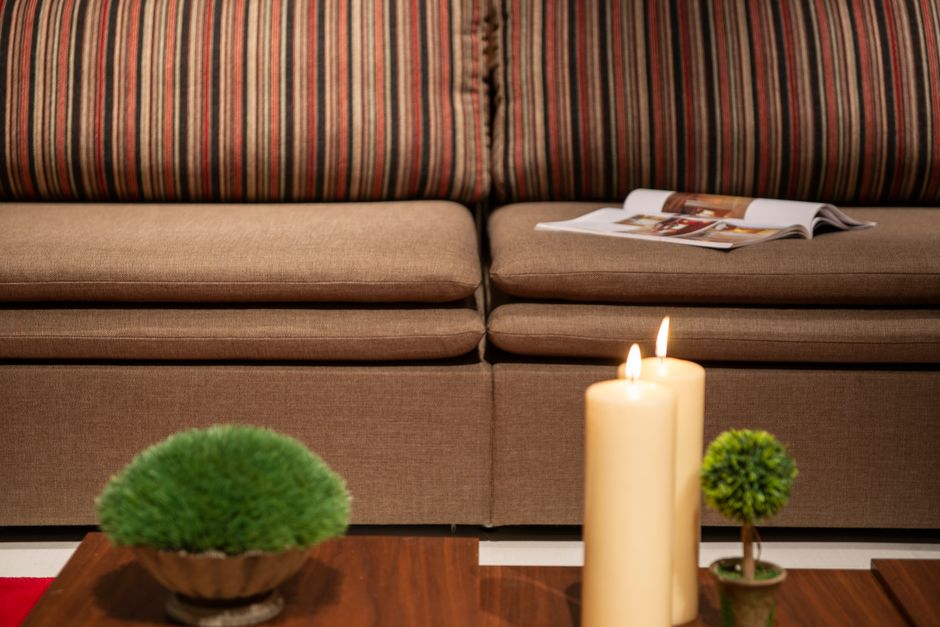
Fire-Retardant Standards by Market
| Market | Core Standard | Key Requirements |
|---|---|---|
| North America (US/Canada) | CAL TB 117-2013 (component-level, mandatory) + TB 133 (full-scale for high-risk public areas) | TB 117 measures smolder resistance of foam/fabric; TB 133 measures flashover. Curtains follow NFPA 701: self-extinguish within 2 seconds, char length <100mm. |
| UK / Middle East | BS 5852 Crib 5 (wood crib ignition test); non-domestic use BS 7176 medium risk | Crib 5 = wood crib on composite; mandatory for public areas. Curtains follow BS 5867 Part 2 Type B. |
| European Union | EN 1021-1 (smolder/cigarette) / EN 1021-2 (open flame/match) | Hotels, restaurants, public spaces typically require EN 1021-2. |
Material-Level Hard Specs
- Foam: UK/Ireland markets use CMHR (combustion-modified high resilience) foam to meet BS 5852 Crib 5. HR foam minimum density ~40 kg/m³ tested under CAL TB 117. Never use commodity foam with sprayed-on fire-retardant coating — the coating deteriorates within one year.
- Finish: Low-VOC water-based lacquers; wood veneer flame spread to ASTM E84 Class A.
- Smoke toxicity: Modern standards increasingly focus on smoke density and toxic gases — smoldering must not release hydrogen cyanide or other lethal gases (smoke inhalation is the leading cause of hotel fire deaths).
- Dedicated production line: Genuine hotel furniture factories dedicate separate lines for fire-retardant materials to avoid cross-contamination with commodity foam. If a factory cannot produce evidence of dedicated lines, replace the supplier.
Comprehensive hospitality furniture fire retardant standards are non-negotiable. Brand inspectors will request batch test reports for both components and full assemblies. A factory that cannot produce these is a liability.
2. Survival Metrics: Durability and Emissions Testing for Commercial Contract Furniture
Residential furniture looks good, but commercial contract furniture must withstand hundreds of guests of varying weights, daily cleaning chemicals, and destructive children. Audits require quantified evidence of survival rate — verifiable test data, not buzzwords like “premium quality” or “commercial grade.”
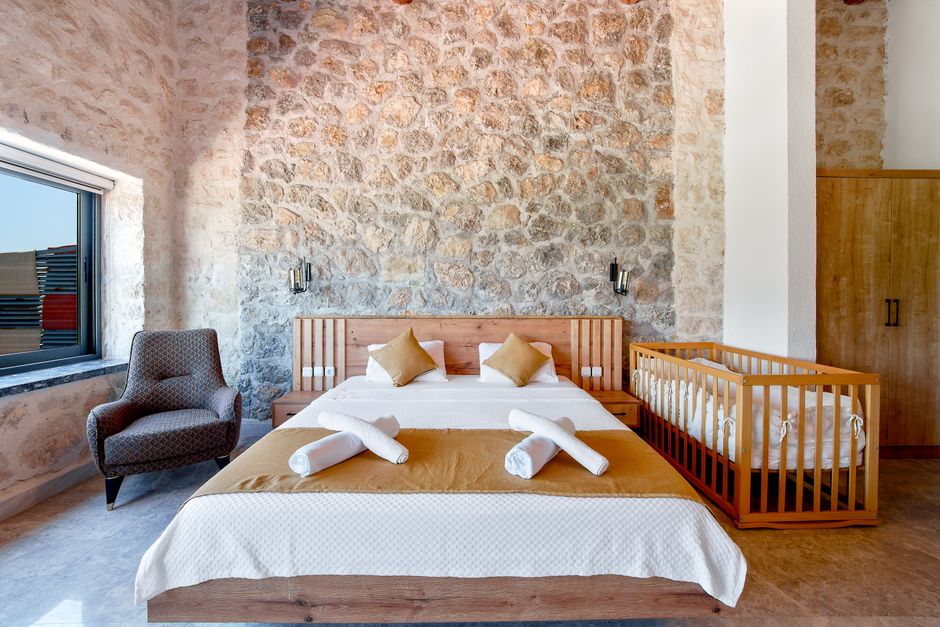
Abrasion Resistance (Martindale) by Room Zone
| Zone | Minimum Martindale Cycles | Notes |
|---|---|---|
| Lobby / high-traffic public areas | 80,000 – 100,000+ | Brand QA magnifying-glass zone; budget hotels should take the upper limit to reduce replacement frequency. |
| Restaurant / bar seating | 60,000 | Multiple daily meals + frequent cleaning + spills. |
| Guestroom seating | 30,000 – 50,000 | Some brand guidelines specify 40,000+. |
| Guestroom headboard | 25,000 (boutique hotels 40,000) | Primarily contact with hair oils, not prolonged rubbing; stain resistance is more critical than high rub count. |
Test standard: ISO 12947 (Martindale, European regime) or Wyzenbeek ASTM D4157 (North American regime, public area baseline 50,000+ double rubs, severe use 100,000+). Specifications must state pass/fail values by room type, not a vague “durable.”
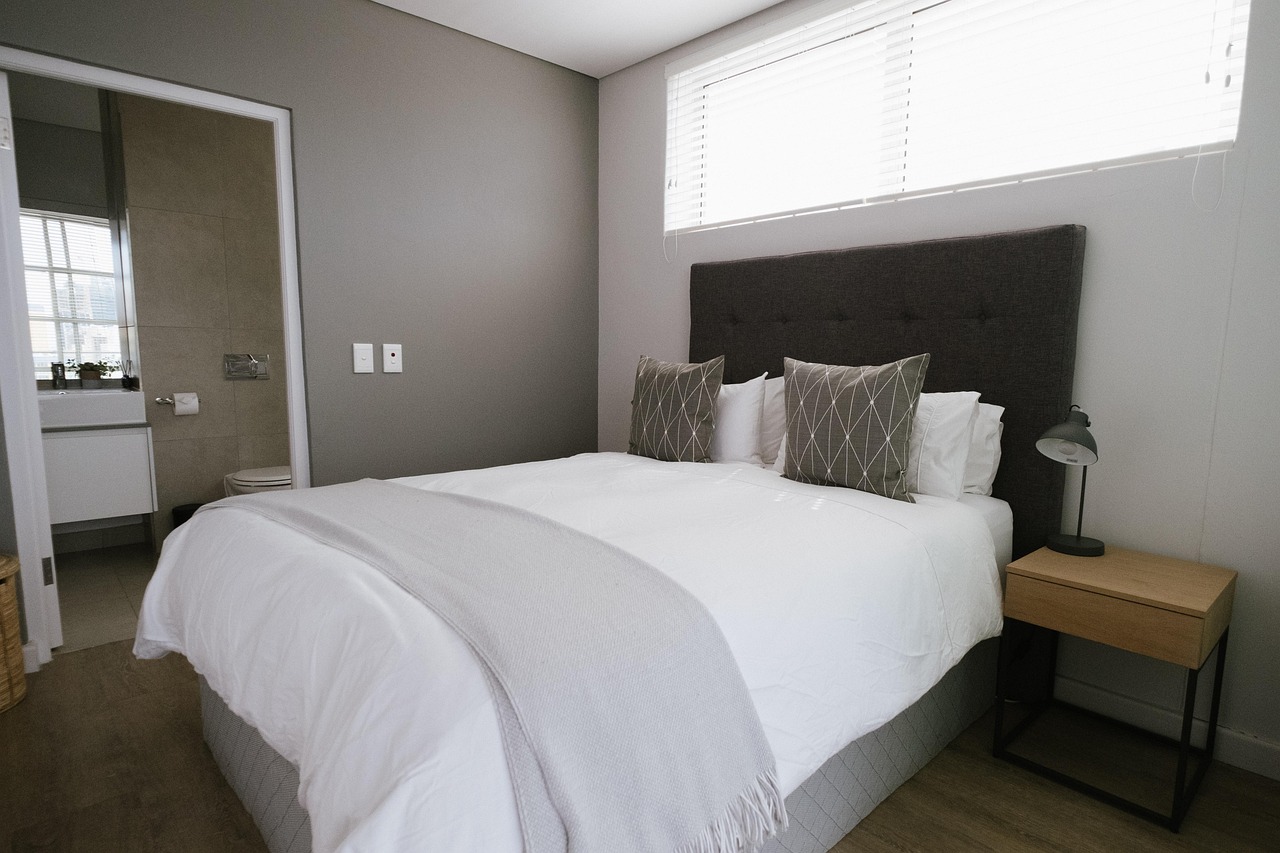
Structure and Foam Durability
- Seat structure: North American BIFMA X5.1 (113 kg cyclic load, 100,000+ cycles); European EN 16139 (contract seating, CE-marking required).
- Foam collapse resistance: Quality HR foam (density ≥35 kg/m³) should retain ≥85% of original thickness after 50,000+ compression cycles. Budget foam (22–28 kg/m³) collapses 20–30% within 12–18 months of commercial use, creating “dead seats.”
- Hardware cycle testing: Require cycle test reports for drawer slides and hinges — quality engineering hardware is designed for 100,000 cycles; generic slides often fail at 20,000 cycles, meaning 300 guestrooms require full drawer replacement by year three.
Emissions Floor – The Red Card Item
- Formaldehyde: Panels/substrates must comply with CARB Phase 2 / EPA TSCA Title VI (mandatory nationwide in the US) or European E1/E0. Any noticeable odor will trigger a red card from the brand inspector.
- Low-VOC finishes: Eco-friendly, odor-free lacquers — many US chains and LEED/Well projects require GREENGUARD Gold low-emission certification.
- Verification: Do not accept supplier PDF certificates. Cross-check the certificate number and batch with the official registry of the issuing body to prevent forgery.
Commercial contract furniture testing is a structured process: all three pillars — abrasion, structure, emissions — must produce pass/fail reports from an accredited third-party laboratory. A factory that treats this as optional is not a viable partner for branded hotel projects.
3. Conversion PIP Roadmap: Translating Brand Clauses into Shop Drawings
When a local independent four-star hotel wants to upgrade to a Marriott or Hilton DoubleTree brand, the core action is to translate abstract brand clauses into actionable factory shop drawings. This is the step where most conversion projects break.
Five-Step Conversion Compliance Screening
| Step | Action | Deliverable |
|---|---|---|
| 1. Parse PIP line by line | For each furniture requirement in the brand PIP report, mark as “VE possible / must buy new / needs testing” | Compliance matrix |
| 2. Decode the spec matrix | Translate abstract clauses into manufacturable language: door dampers, concealed anti-tip hardware, shielded media outlet boxes | Shop drawings |
| 3. Lock material specs | Wood species (scientific name) + moisture content 8–12%, foam density in kg/m³, Martindale cycles, hardware model, CARB/fire certificate numbers, tolerance ±2mm | Measurable pass/fail spec sheet |
| 4. First article inspection (FAI) + mock-up room | 1:1 mock-up guestroom to verify MEP openings, dimensional tolerances, ergonomics, and visual appearance | FAI report + brand written sign-off |
| 5. Batch testing + third-party audit | Before mass production, conduct batch fire-retardancy, abrasion, and emissions tests on composite components; issue independent lab reports | Third-party certificates for brand acceptance |
The step from abstract brand clauses to factory shop drawings is the most common point of failure in a conversion project. Specifications that say “premium quality” or “durable” are meaningless for an auditor — each factory interprets them differently, and there is no basis for recourse when problems arise. A skilled engineering team will convert every brand requirement into a pass/fail criterion that the brand inspector can check off against a report.
A comprehensive hotel conversion PIP requirements checklist must include not only the obvious items like fire labels but also hidden elements such as drawer slide cycle life, foam compression set, and edge banding adhesion strength. One missed item can trigger a re-inspection or a failed audit.
Why Third-Party Inspection Is the Cheapest Compliance Insurance
Inspection cost vs. rework loss: SGS / Bureau Veritas / Intertek charge approximately $500–$1,400 for a 3–4 day inspection. The rework cost for a non-compliant container ranges from $15,000 to $50,000. Data from 1,840 factory inspections in Guangdong (2024–2025) shows: factories without a buyer QC program had an average major defect rate of 12.7%; factories with a structured three-point inspection system had only 2.3% — a 5.5× difference. Compliance is not a cost; it is loss prevention.
Using a hotel franchise compliance checklist during the sourcing and production phases is the only way to ensure that every finished piece matches the brand standards. The checklist should be the master document that guides every decision from material procurement to final packing.
4. Compliance-Capable Factory vs. Cheap Factory
In cross-border B2B hotel projects, a factory that understands compliance saves the developer millions in hidden rework costs. One audit failure, delayed opening, or batch scrap dwarfs the savings from a lower unit price.
A factory qualified to pass brand acceptance is not a retailer selling finished goods off a shelf. It is an engineering-oriented manufacturer that:
- Continuously tracks updates to major hotel group design guidelines and international medical space standards;
- Can produce a full set of lab certificates for every composite component;
- Cooperates with third-party destructive testing during the mock-up phase.
At Zhobai Hotel Furniture, we bring 15+ years of experience in custom hospitality furniture, with in-house engineering teams that translate brand PIP clauses directly into shop drawings. Our factory maintains dedicated fire-retardant production lines, stocks CMHR foam certified to BS 5852 and CAL TB 117, and provides batch test reports from ISO-accredited labs. We have shipped to projects under Marriott, Hilton, IHG, and Wyndham brands across Europe, Central Asia, Southeast Asia, the Americas, and Africa. From early-stage compliance matrix to final on-site installation, our process is designed to eliminate surprises.
ZHOBAI HOTEL FURNITURE
Ready to Apply These Principles to Your Project?
Our engineering team responds to all project briefs within 24 hours. Share your FF&E scope — room count, property type, target timeline, and budget range — and we’ll provide a factory-direct assessment and indicative pricing within one business day.