A common misconception across the hospitality sector suggests that all hotel furniture procurement follows a standardized playbook. This assumption often costs buyers millions. A 200-room full-service resort, for instance, operates under entirely different timeline, budget, and logistical pressures than a 40-room boutique property. Yet, many suppliers and industry guides treat every buyer identically, recommending generic strategies that fail to address specific project contexts. This one-size-fits-all approach leads to misaligned expectations, budget overruns, and critical project delays, especially when shipping hotel furniture to Africa.
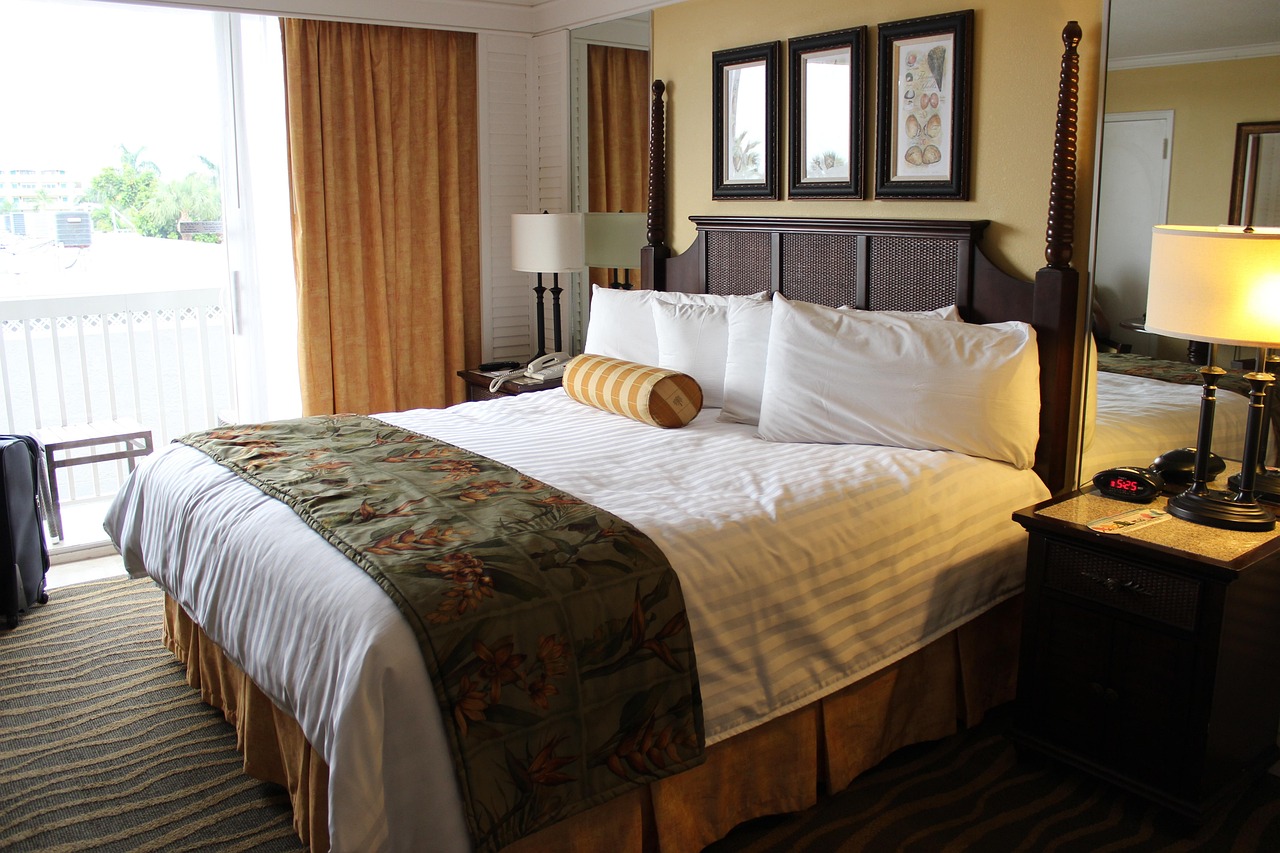
Three Buyer Profiles — Which One Is You?
Understanding your specific role and project context is the first step in successful FF&E procurement. Your project’s DNA dictates your priorities and potential pitfalls.

New-Build Developer
As a new-build developer, your primary concern is often opening day. Construction timelines are rigid, and any FF&E delay directly impacts revenue. Your team works from architect specifications, needing furniture that aligns precisely with structural and design elements. There is no existing inventory to manage, but the entire furniture package, often 100% custom, must arrive and be installed before guest occupancy. Managing the overall Africa hotel furniture lead time from design finalization through installation is paramount.
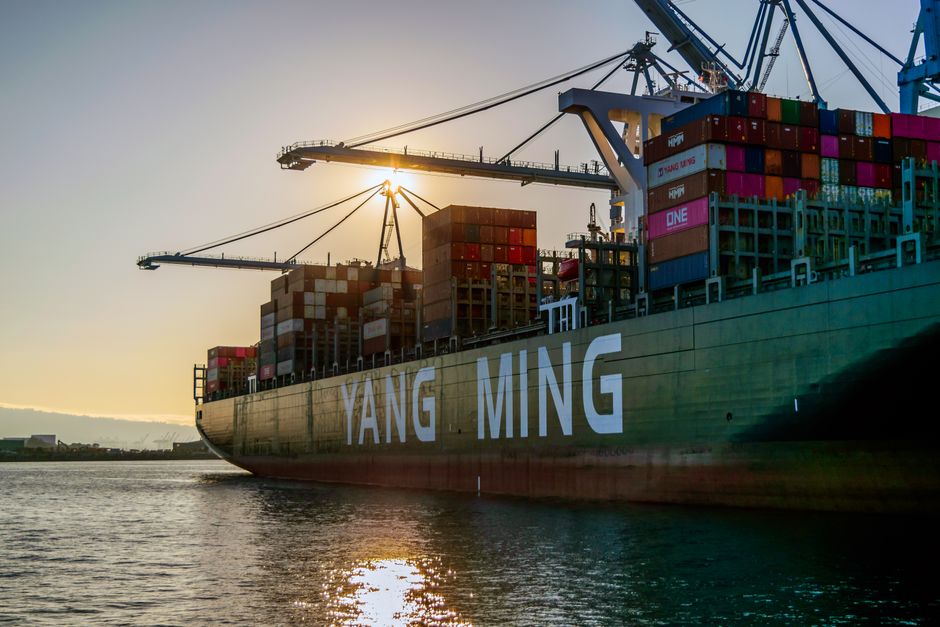
Renovation Manager
Overseeing a renovation, particularly as a hotel asset manager or general manager, presents a unique set of challenges. You must replace existing furniture in phases, often floor-by-floor or wing-by-wing, to minimize guest disruption and maintain occupancy rates. This necessitates phased delivery schedules, sometimes requiring storage solutions for incoming items. The constraint of an operational hotel means installation must be rapid, quiet, and precisely timed, often requiring night shifts. Balancing capital expenditure ROI against guest experience is a constant pressure.
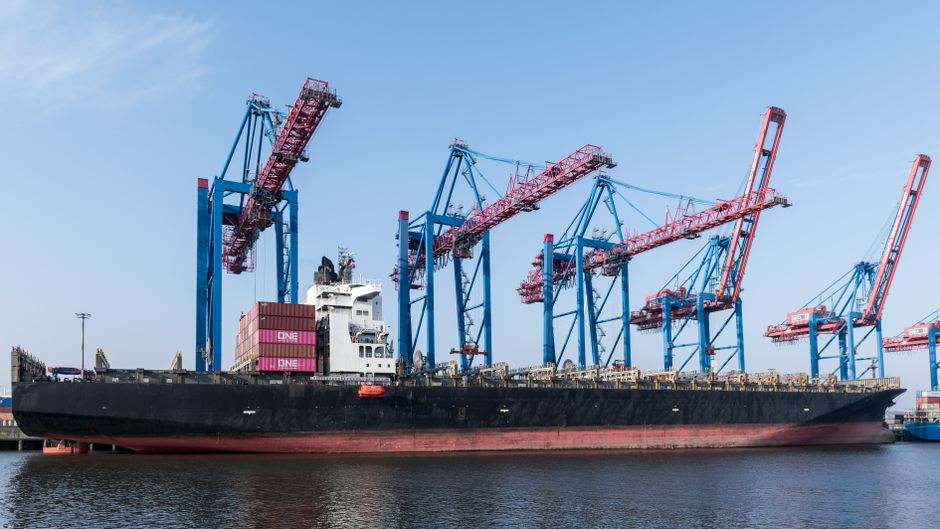
Multi-Property Chain Buyer
For a multi-property chain buyer, standardization across sites is a core objective. This involves maintaining brand consistency and optimizing purchasing power through volume leverage. Your procurement strategy focuses on long-term supplier relationships that can deliver consistent quality and design across multiple geographies. Supplier consistency, including their ability to handle varied logistics across different African ports, becomes a non-negotiable requirement.
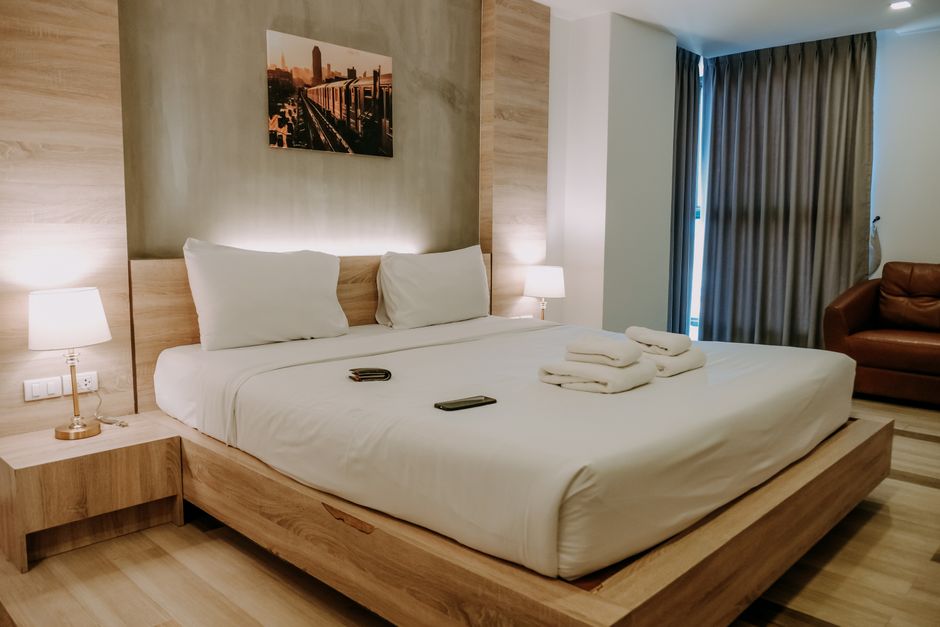
Understanding Each Profile’s Priorities and Common Errors
Each buyer profile faces distinct challenges and frequently makes specific procurement missteps. Identifying these allows for a more strategic approach to shipping hotel furniture to Africa.
New-Build Developer
- Common Mistake: Over-reliance on initial design renders without verifying material availability or production feasibility. A developer might approve a concept featuring a rare species of veneer or a custom metal finish with a 16-week lead time, only to discover it’s unavailable or cost-prohibitive mid-production.
- Correct Alternative: Engage with a furniture manufacturer during the design development phase (DD) to conduct a Design for Manufacturability (DFM) review. This ensures all specified materials are readily available, conform to local fire codes (e.g., BS 5852 Crib 5 for upholstery), and can be produced within the project’s budget and timeline.
- Successful Outcome: A furniture package where 95% of materials are confirmed and costed by the end of schematic design (SD), preventing 12-week delays from material sourcing issues or mid-production specification changes.
Renovation Manager
- Common Mistake: Underestimating the logistical complexity of phased delivery and on-site storage. A renovation manager might schedule furniture arrival without a clear plan for temporary secure storage or direct-to-room delivery, leading to pallets blocking corridors or damaged goods due to improper handling.
- Correct Alternative: Develop a detailed FF&E logistics plan that includes precise container arrival windows (e.g., 2-hour delivery slots), dedicated on-site secure staging areas (minimum 50 square meters per floor being renovated), and a clear installation sequence. This plan must account for existing guest traffic flows and noise restrictions.
- Successful Outcome: A renovation completed with less than 2% guest complaints related to noise or obstruction, and a 98% on-time, damage-free installation rate for incoming furniture across all phases. Our experience shipping hotel furniture to Africa in operational properties demonstrates the value of precise planning.
Multi-Property Chain Buyer
- Common Mistake: Prioritizing the lowest unit price without fully accounting for long-term consistency, warranty support, or the supplier’s capacity for repeat orders across multiple regions. A chain buyer might secure a low-cost supplier for one project, only to find they cannot replicate the quality or handle the logistics for a subsequent property in a different country.
- Correct Alternative: Implement a rigorous supplier pre-qualification process that includes factory audits (e.g., ISO 9001 certified facilities), a review of their past project portfolio in diverse geographies, and a detailed assessment of their after-sales support and warranty terms (e.g., a 5-year structural warranty on casegoods).
- Successful Outcome: A preferred supplier list capable of delivering consistent product quality (e.g., less than 0.5% defect rate on delivery) and service across three new properties in distinct African markets over a 24-month period, reducing overall procurement risk by 30%.
Four Non-Negotiable Principles for Any African Furniture Project
Regardless of your specific project profile, certain principles remain universal for successful FF&E procurement, especially when navigating the complexities of shipping hotel furniture to Africa. Ignoring these will result in delays, cost overruns, or compromised product integrity.
- Precise Documentation and Customs Expertise: Every single item on your commercial invoice must align perfectly with the packing list and bill of lading. A discrepancy as minor as a misspelling or an incorrect HS code (e.g., misclassifying a lamp as ‘decorative article’ instead of ‘electrical lighting fixture’) can trigger port holds, incur demurrage charges of $200-$500 per container per day, and delay FF&E customs clearance Africa by weeks. Your supplier must provide a dedicated logistics coordinator with demonstrable experience in your destination port.
- Robust Packaging Standards: Furniture travels thousands of kilometers across diverse climates and road conditions. Standard domestic packaging is insufficient. Require minimum 5-layer export-grade packaging: EPE foam wrap, corner protectors, corrugated cardboard, heat-treated wooden crates (ISPM 15 compliant), and shrink-wrap. For a renovation manager, this means minimizing damage during transit to operational hotels; for a new-build, it prevents costly replacements that halt installation progress.
- Third-Party Quality Control (QC) at Source: Do not rely solely on factory self-inspection. Mandate at least one independent third-party QC inspection at the 50% production mark and another at 90% completion, before packing. This verifies material specifications (e.g., wood moisture content at 8-10%, veneer thickness 0.6mm), construction methods (e.g., mortise and tenon joints for solid wood frames), and finish quality. Catching an issue on the factory floor in Guangdong costs $50 to fix; catching it on site in Lagos costs $500 and a 4-week replacement lead time.
- Clear Incoterms and Payment Schedules: Define your Incoterms (e.g., CIF Mombasa, DDP Nairobi) explicitly. This clarifies who is responsible for freight insurance, port charges, and import duties. A phased payment schedule (e.g., 30% deposit, 40% upon 90% production completion and QC approval, 30% upon final delivery) protects your capital. For a renovation manager, clear Incoterms mean predictable costs for each phase; for a multi-property chain, it standardizes financial risk across projects.
Zhobai Hotel Furniture provides a one-stop solution, covering early-stage planning, design, manufacturing, logistics, installation, and delivery, making us a reliable partner for these complex projects. Our professional in-house design team can tailor spaces for each client, ensuring designs are manufacturable and compliant from the outset. We actively manage logistics to mitigate common import challenges.
| Evaluation Criteria | New-Build Developer Priority | Renovation Manager Priority | Multi-Property Chain Buyer Priority |
|---|---|---|---|
| Lead Time Reliability (e.g., on-time delivery rate) | Critical (98% on-time to avoid construction delays) | Very High (95% on-time for phased installation) | High (consistent delivery across sites) |
| Logistics Expertise (e.g., port experience, phased delivery) | High (container management, site coordination) | Critical (phased delivery, on-site staging, FF&E customs clearance Africa) | Very High (multi-port experience, network) |
| Quality Control Process (e.g., 3rd party QC, defect rate) | Very High (long-term durability, warranty) | High (minimizing on-site issues, guest satisfaction) | Critical (brand consistency, reduced post-delivery issues) |
| Design for Manufacturability (DFM) Support | Critical (cost control, material confirmation) | High (ensuring fit with existing structure, quick install) | Moderate (often standard designs, but new custom needs) |
| After-Sales Support & Warranty | High (5-year structural warranty for asset protection) | Very High (rapid replacement for operational impact) | Critical (standardized support across portfolio) |
How to Build Evaluation Criteria for Your Project Context
Developing a supplier evaluation matrix tailored to your specific project needs is not optional; it is fundamental. A new-build developer’s top priority might be a supplier’s ability to meet a 16-week production schedule for 400 unique items, whereas a renovation manager focuses on a supplier’s proven capacity for precise phased delivery windows and rapid installation. For a new-build, the supplier’s financial stability and production capacity (e.g., monthly output of 500 guestroom sets) outweigh their experience with intricate phased logistics. Conversely, for a renovation project, a supplier’s experience managing hotel furniture freight China to Africa with multiple small batches and on-site coordination in operational properties becomes a higher weighted factor.
A multi-property chain buyer will heavily weight a supplier’s ability to maintain material and finish consistency (e.g., Delta E color difference less than 2.0) across a minimum of three projects over 36 months. They also prioritize a supplier with established shipping lanes and clearing agents for hotel furniture import Africa, minimizing the learning curve for each new destination. Your evaluation criteria should reflect these distinctions, assigning numerical scores (e.g., 1-5) to each criterion based on its relevance to your project’s success. This data-driven approach removes subjective bias and aligns supplier selection with your operational realities.
Effective procurement for hotel furniture, particularly when shipping hotel furniture to Africa, requires a diagnostic approach. Your project’s unique demands—be it an aggressive new-build timeline, a phased renovation with minimal guest disruption, or a multi-property standardization initiative—must dictate your strategy. Generic advice leads to generic, and often costly, failures. Share your specific project context with us. Zhobai Hotel Furniture has 15+ years of experience delivering custom furniture for 5-star hotels, resorts, and hospitals worldwide, with a proven track record across Southeast Asia, the Middle East, and Africa. Let us help you navigate the complexities and secure a successful outcome. Request material samples for your specific project needs or book a 30-minute specification consultation with our team.
Ready to Apply These Principles to Your Project?
Our engineering team responds to all project briefs within 24 hours. Share your FF&E scope — room count, property type, target timeline, and budget range — and we’ll provide a factory-direct assessment and indicative pricing within one business day.