A seismic shift is underway in Africa’s hospitality sector. As international travel rebounds strongly into 2026, and a new wave of investment floods the continent, hotel owners, developers, and procurement managers are grappling with demand for distinctive, high-quality interiors. This surge is not merely about volume; it’s a fundamental re-evaluation of what ‘luxury’ means, the role of local identity, and the imperative for sustainable sourcing in African hotel furniture trends. The decisions made today regarding custom furniture will dictate competitive advantage for the next decade.
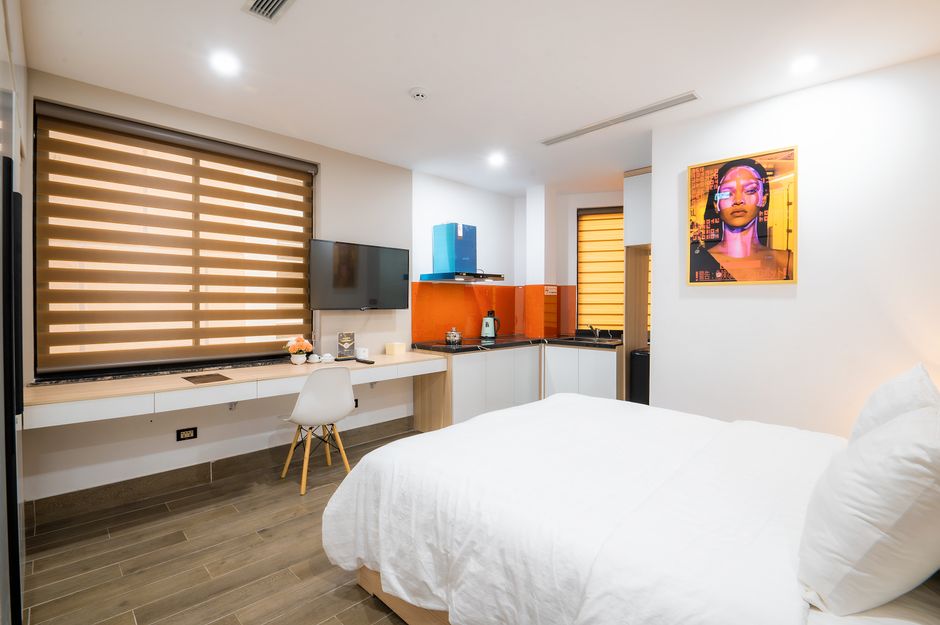
Why African Hotel Furniture Trends Are at an Inflection Point in 2026
The confluence of several powerful forces is propelling African hotel furniture trends into a transformative era. The global supply chain, still recalibrating from recent disruptions, has pushed procurement teams to seek more resilient, regionalized solutions. Simultaneously, heightened sustainability pressures are no longer a niche concern but a core criterion for investors and guests alike. Post-pandemic recovery has seen a rapid return of tourism, particularly in the leisure and experiential segments, which in turn elevates guest expectations for authentic, unique environments. Moreover, persistent cost inflation across raw materials and logistics necessitates smarter, more strategic purchasing decisions.
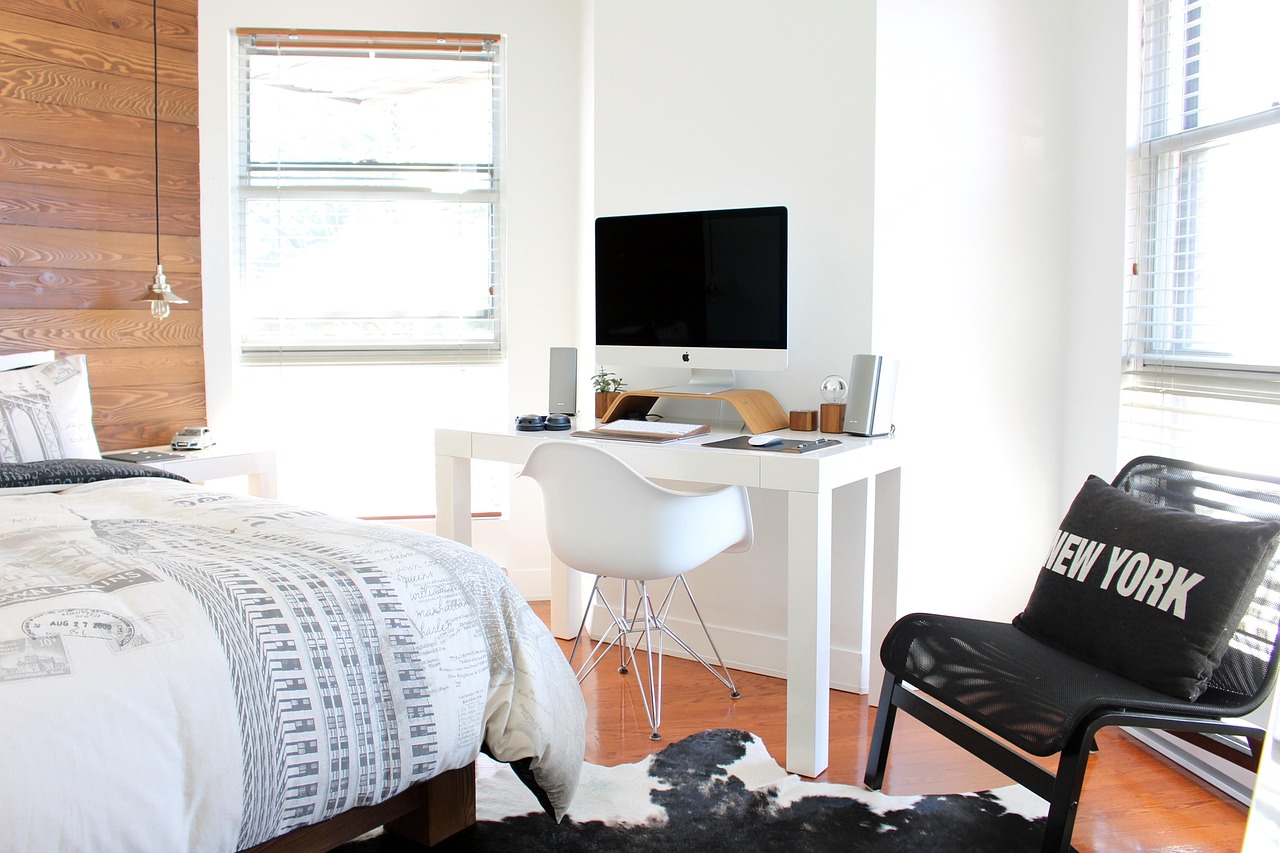
Learn more about Radisson Blu Addis Ababa Hotel Furniture.
Industry data suggests that Africa is poised for significant growth in the hospitality sector, with major international brands expanding their footprints and local developers investing heavily in boutique properties. This expansion is driving demand for custom furniture that can meet diverse aesthetic and functional requirements, from bustling city hotels to serene eco-lodges. The need to differentiate in a competitive market, coupled with a growing appreciation for localized design narratives, means that generic, mass-produced furniture is increasingly overlooked. Buyers are now prioritizing suppliers who can offer bespoke solutions, factory direct pricing, and a comprehensive service package.
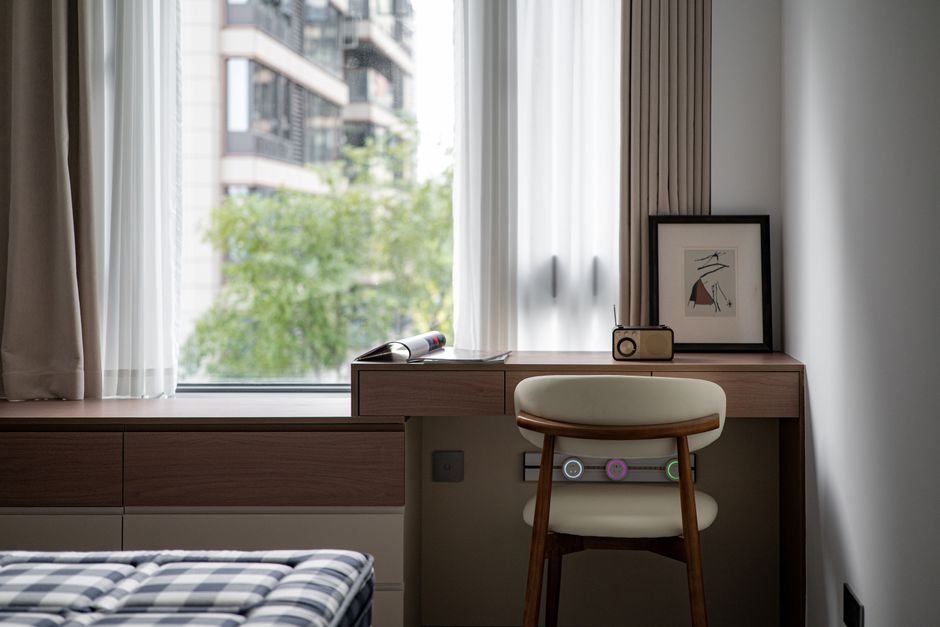
The Trends Redefining African Hotel Furniture Right Now
The Rise of “Quiet Luxury” in African Hotel Furniture
What is happening: The concept of “quiet luxury” has moved from a niche design philosophy to a dominant force in hospitality. It prioritizes understated elegance, superior craftsmanship, and high-quality, durable materials over overt opulence or flashy branding. This shift is profoundly influencing understated luxury hotel furniture specifications.
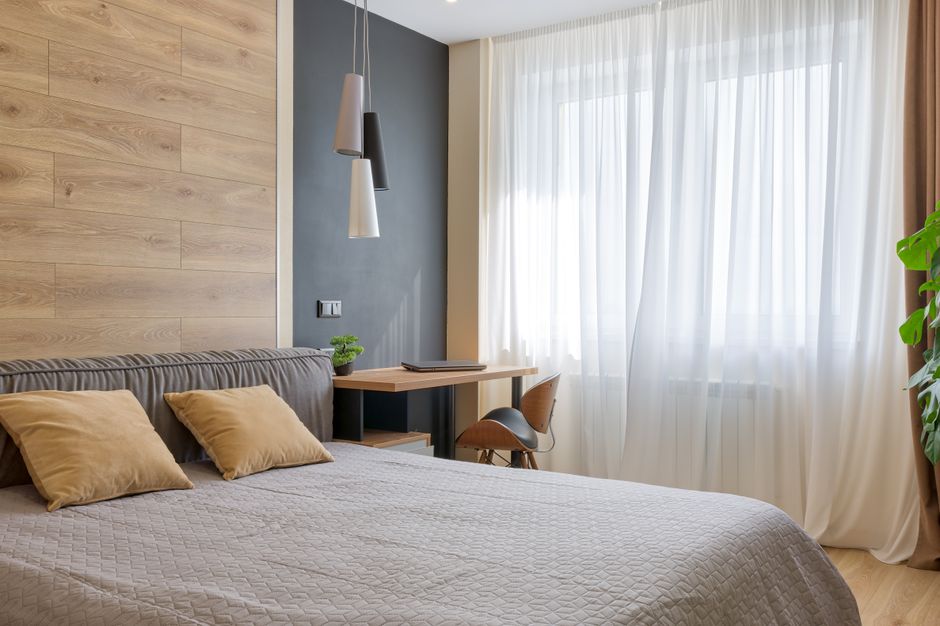
Why it is happening: Guests, particularly the discerning travelers frequenting Africa’s top destinations, are seeking authentic, sophisticated experiences that feel exclusive without being ostentatious. They value comfort, serenity, and a sense of place. This aligns perfectly with African hotel quiet luxury, where the quality of materials, the subtlety of design, and the seamless integration of furniture into the overall aesthetic speak volumes without shouting.
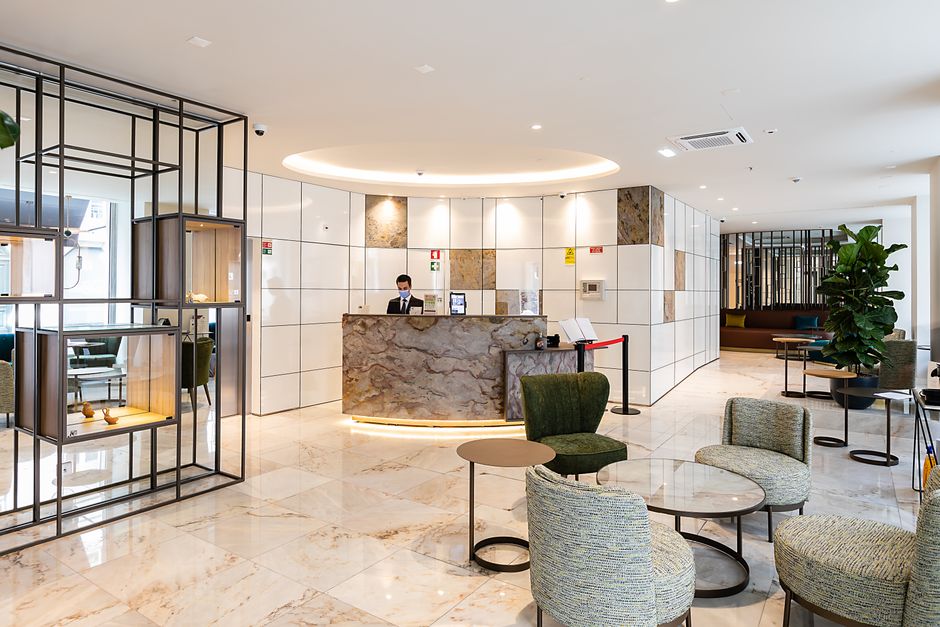
What it means for hotel buyers: Procurement teams are increasingly prioritizing custom furniture with neutral palettes, natural textures, and robust construction. The focus is on tactile experiences and longevity. Buyers need suppliers who can deliver bespoke pieces with meticulous attention to detail, using materials like solid indigenous woods, natural linens, and polished stone. This supports a Contemporary African interior design evolution that values enduring style over fleeting trends.
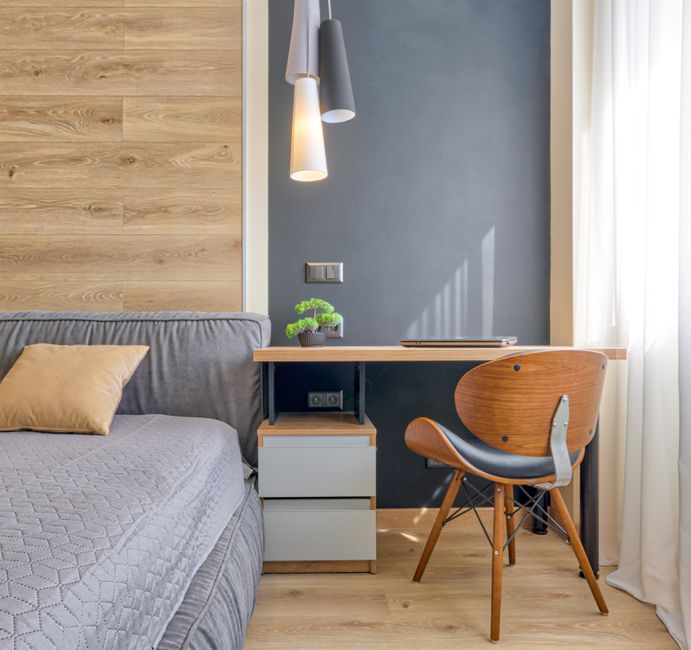
Hyper-Localized Design and Craftsmanship in African Hotel Furniture
What is happening: There’s a strong movement towards embedding local culture, artistry, and natural elements directly into custom hotel furniture. This goes beyond superficial accents, integrating authentic craftsmanship and materials unique to specific regions of Africa.
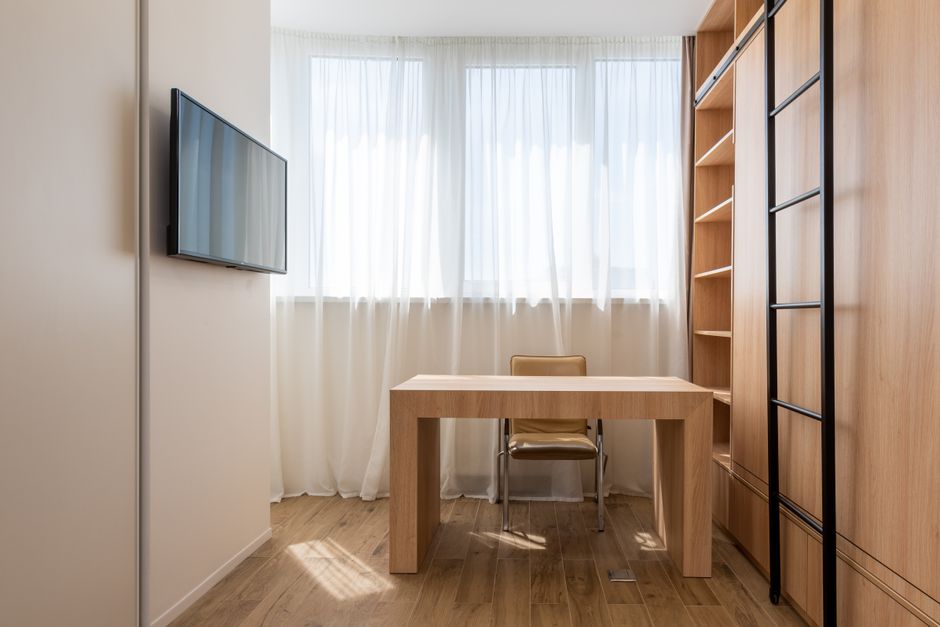
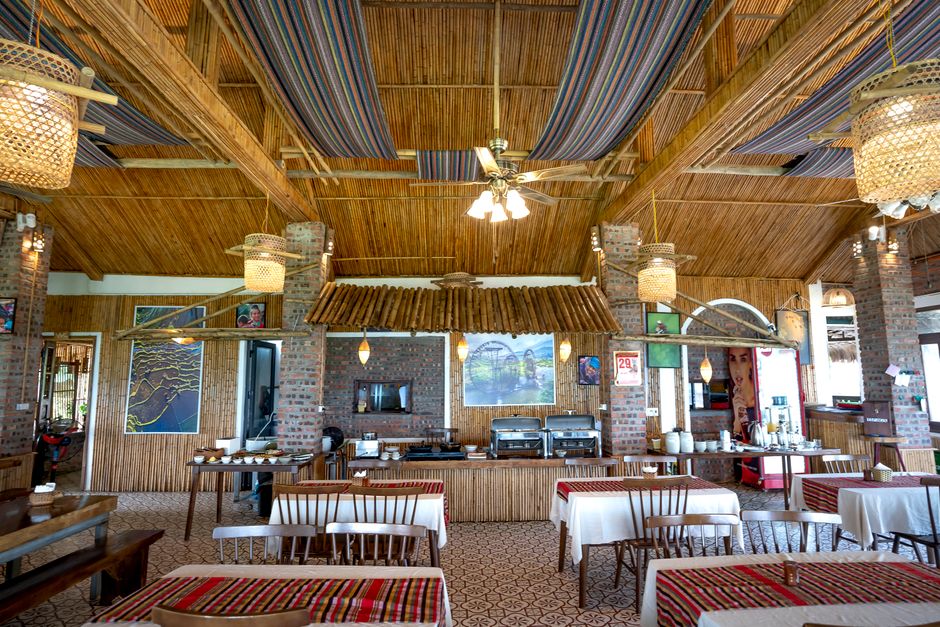
Why it is happening: Travelers to Africa are increasingly seeking immersive, culturally rich experiences. Hotels are responding by creating spaces that deeply connect with their geographical and cultural context. This trend is a natural extension of the Contemporary African interior design evolution, moving away from generic international styles to celebrate indigenous design language and artisan skills. Furthermore, supporting local economies through sourcing resonates strongly with modern ethical consumption values, and is reflected in biophilic resort design trends in Africa.

What it means for hotel buyers: RFQs now frequently specify furniture incorporating locally sourced timbers, woven textiles, handcrafted details, and patterns inspired by African art. Buyers need manufacturing partners capable of translating these cultural nuances into commercial-grade furniture, often requiring close collaboration with local designers and artisans. This demands flexibility in design and material sourcing, ensuring the African hotel furniture trends reflect true local identity.
Sustainable & Resilient Sourcing for African Hotel Furniture
What is happening: Sustainability has become a non-negotiable aspect of FF&E procurement. This extends beyond eco-friendly materials to encompass ethical labor practices, reduced waste, and supply chain resilience. This is particularly crucial for sustainable FF&E sourcing for eco-luxury lodges.
Why it is happening: Growing environmental consciousness among guests and investors, coupled with regulatory pressures and the desire for long-term operational efficiency, drives this trend. Hotels are looking to minimize their ecological footprint and ensure their supply chains are robust enough to withstand future disruptions. Certifications like FSC for timber, along with low-VOC finishes, are becoming standard requirements for custom furniture suppliers.
What it means for hotel buyers: Procurement managers are prioritizing suppliers with verifiable sustainability credentials, transparent supply chains, and a proven track record in responsible manufacturing. This means scrutinizing material origins, production processes, and end-of-life considerations for all African hotel furniture trends. The emphasis is on durable furniture that reduces the need for frequent replacement, thereby lowering overall environmental impact and operational costs.
Flexible & Multi-Functional Spaces in African Hotel Furniture
What is happening: Hotel design is evolving to create more adaptable spaces that can serve multiple purposes throughout the day, maximizing utility and guest experience. This requires furniture that is inherently versatile and robust.
Why it is happening: Modern travelers, especially business and bleisure guests, demand flexibility. A lobby might serve as a co-working space by day and a vibrant social hub by night. Guest rooms are expected to offer areas for work, relaxation, and dining. Space optimization is also a key driver, particularly in urban developments. Biophilic resort design trends in Africa also often integrate flexible outdoor-indoor living spaces.
What it means for hotel buyers: The demand for modular seating, convertible desks, integrated storage solutions, and durable, easily reconfigurable pieces is soaring. Buyers need to assess not just the aesthetic appeal but the practical functionality and durability of custom furniture in high-traffic, multi-use areas. Suppliers offering innovative designs that blend form and function are gaining a significant edge in these African hotel furniture trends.
Who Is Winning — and What They Are Doing Differently
Hotels successfully navigating these African hotel furniture trends are those adopting a holistic, forward-thinking approach to FF&E procurement. Consider ‘The Savannah Retreat,’ a boutique eco-lodge in Kenya. Instead of importing mass-produced pieces, their procurement team partnered directly with a custom furniture manufacturer that offered a robust in-house design team. This allowed them to develop bespoke pieces using locally sourced acacia wood and hand-woven sisal, integrating specific motifs from Maasai culture. The result was furniture that felt deeply authentic, durable, and unique, commanding higher rates and glowing guest reviews, demonstrating a clear Contemporary African interior design evolution.
Another example is ‘City Gateway Hotel,’ a new business-focused property in Accra. Recognizing the need for adaptable spaces, their interior design firm specified custom modular seating for the lobby and co-working zones, along with guest room furniture that integrated pull-out desks and concealed storage. They chose a supplier offering a full one-stop solution from design to installation, minimizing logistical headaches and ensuring consistent quality. This strategic choice allowed them to open on schedule with highly functional, aesthetically cohesive spaces that appeal to both business and leisure travelers.
These winners are not just buying furniture; they are investing in strategic partnerships that deliver tailored solutions, align with brand values, and offer long-term value through quality and customization.
The Risks of Standing Still
Ignoring the evolving African hotel furniture trends carries significant and measurable risks for hotel owners and developers in 2026. A primary consequence is competitive disadvantage. Hotels furnished with generic, uninspired pieces will struggle to differentiate themselves in a market increasingly defined by unique guest experiences and authentic design. This translates directly into lower occupancy rates, reduced average daily rates (ADRs), and diminished brand loyalty.
There are also substantial cost implications. Opting for cheaper, lower-quality furniture to save on initial outlay often leads to accelerated wear and tear, requiring more frequent replacements and higher maintenance costs over the furniture’s lifecycle. This negates any perceived upfront savings and impacts profitability. Furthermore, failing to meet guest expectations for sustainability or authentic design can lead to negative online reviews and damage a property’s reputation, especially when guests are actively seeking African hotel quiet luxury. Procurement teams that neglect supply chain resilience risk costly delays and increased logistical expenses, particularly when sourcing from distant, non-integrated suppliers. Ultimately, standing still means falling behind, sacrificing market share, and compromising the long-term viability of the investment.
What Smart Buyers Are Prioritizing in Their Next RFQ
In 2026, smart buyers are approaching their RFQs for custom furniture with a clear focus on strategic value, not just price. Their priorities are shaped by the critical African hotel furniture trends discussed, ensuring their investments yield long-term returns in guest satisfaction and operational efficiency.
| Sourcing Priority | Key Specification / Requirement | Strategic Benefit for Buyers |
|---|---|---|
| **Customization & Design Flexibility** | Ability to produce bespoke designs, tailored dimensions, and unique finishes reflecting Contemporary African interior design evolution. | Ensures brand differentiation, unique guest experience, and optimal space utilization. |
| **Material Quality & Durability** | Specification of commercial-grade, robust materials (e.g., solid wood, 304 stainless steel, high-performance upholstery with 50,000+ double rubs) suitable for high-traffic hospitality environments. Essential for understated luxury hotel furniture specifications. | Reduces lifecycle costs, minimizes maintenance, and enhances guest perception of quality. |
| **Sustainability & Ethical Sourcing** | Certifications (FSC, ISO, SGS), use of low-VOC finishes, recycled content, and transparent supply chains. Critical for sustainable FF&E sourcing for eco-luxury lodges. | Aligns with guest values, meets regulatory demands, and enhances brand reputation. |
| **Integrated Project Management** | Suppliers offering end-to-end solutions: design, manufacturing, logistics, and installation. | Streamlines procurement, reduces coordination complexity, and ensures project timelines are met. |
| **After-Sales Support & Warranty** | Comprehensive warranty terms (e.g., 5-year structural warranty) and accessible after-sales service for parts and repairs. | Protects investment, ensures long-term performance, and provides peace of mind. |
The landscape for African hotel furniture trends is dynamic, challenging, and full of opportunity. As a manufacturer with 15+ years of experience, Zhobai Hotel Furniture is already aligned with these critical shifts. Our in-house professional design team specializes in creating tailored spaces that embody the essence of quiet luxury and local authenticity, supported by our comprehensive one-stop solution covering early-stage planning through to installation and delivery. With certifications like CE, ISO, SGS, and FDA, alongside our factory-direct pricing and global export experience, we are equipped to support your vision for discerning guests. Explore how our expertise can elevate your next project; connect with our team today to discuss your specific custom furniture needs.