Imagine equipping 150 guestrooms with wardrobes, only to discover after six months that the laminate edges are peeling, hinges are failing, and guest complaints about insufficient storage are mounting. The initial hotel wardrobe price seemed competitive, saving perhaps $75 per unit. But now, you’re facing a complete replacement cycle within two years, incurring not only the cost of new furniture but also significant operational disruptions, lost revenue from out-of-service rooms, and irreparable damage to your guest satisfaction scores. That seemingly smart saving of $11,250 has ballooned into an unforeseen expense exceeding $150,000, not accounting for brand reputation.
The Real Cost of Getting Hotel Wardrobe Price Wrong
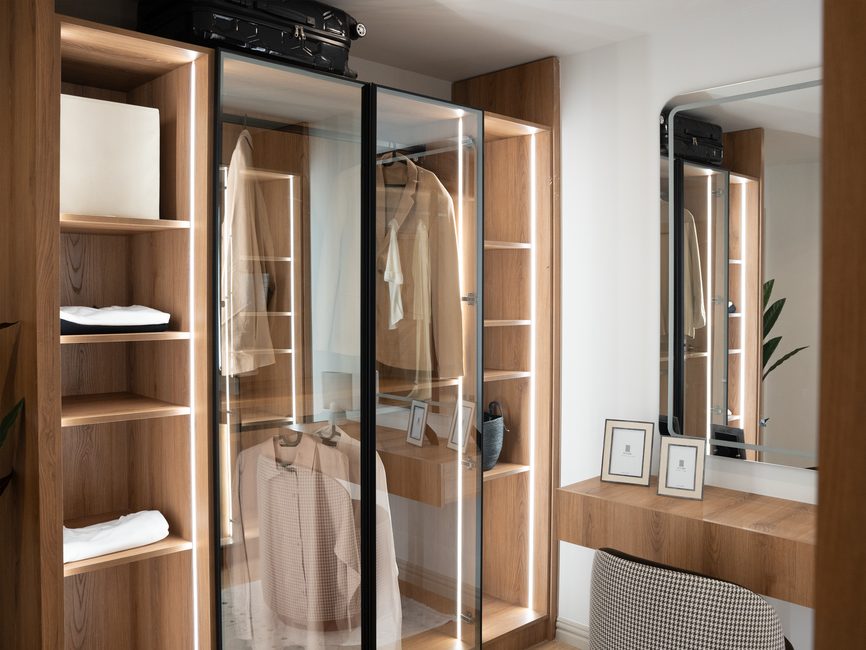
The sticker shock of a higher initial hotel wardrobe price often overshadows the true total cost of ownership. Procurement isn’t just about the upfront invoice; it’s about the lifecycle performance of an asset in a high-traffic commercial environment. A cheap wardrobe isn’t merely an aesthetic downgrade; it’s a liability.
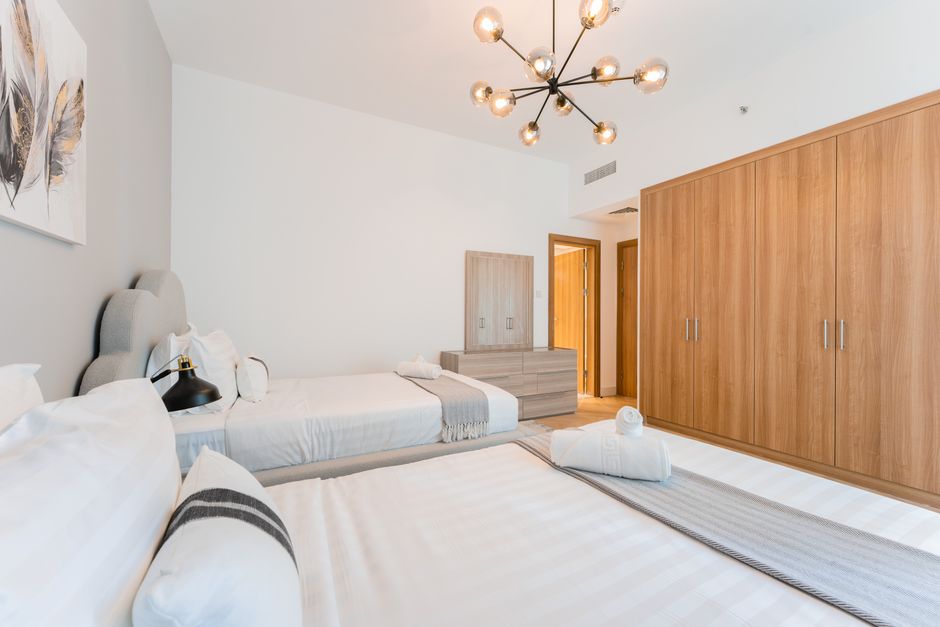
Poorly specified wardrobes lead to structural failures, such as sagging shelves or drawers that stick, within months. This directly impacts guest experience, leading to negative reviews and reduced repeat bookings. For a 200-room hotel, even a 5% increase in negative feedback related to room amenities can translate to a 10-15% drop in average daily rate (ADR) or occupancy over a year, potentially costing hundreds of thousands in lost revenue.
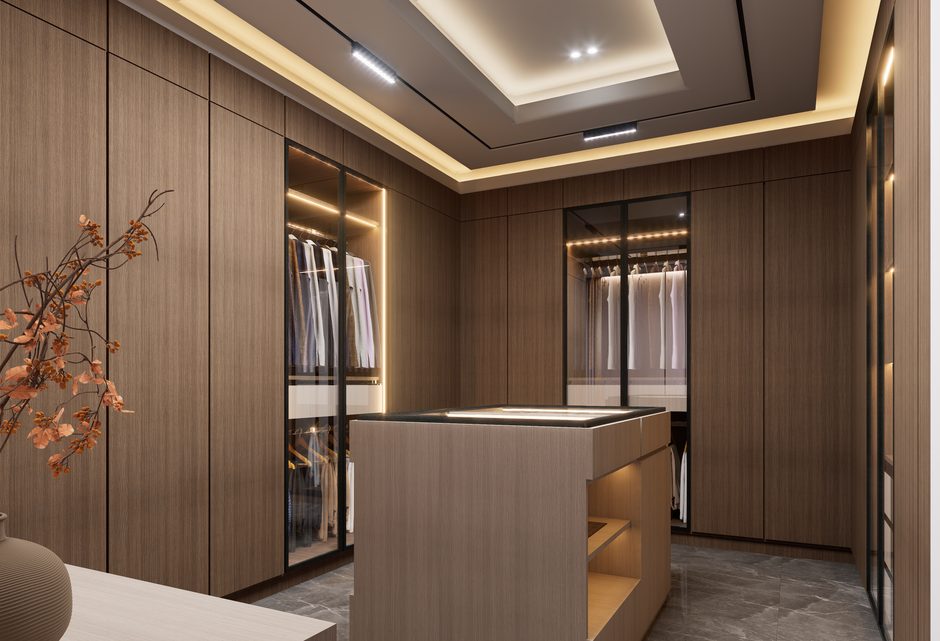
Beyond guest dissatisfaction, frequent repairs or premature replacements drain maintenance budgets. A typical budget-grade wardrobe might require significant repairs or full replacement within 3-5 years, costing an additional 50-70% of its original purchase price. Conversely, a robust, commercial-grade solution specified correctly can easily last 10-15 years with minimal intervention, offering a far superior return on investment. The long-term financial implications make a thorough evaluation of the hotel wardrobe price absolutely essential.
The Decision Framework — What to Evaluate Before You Choose
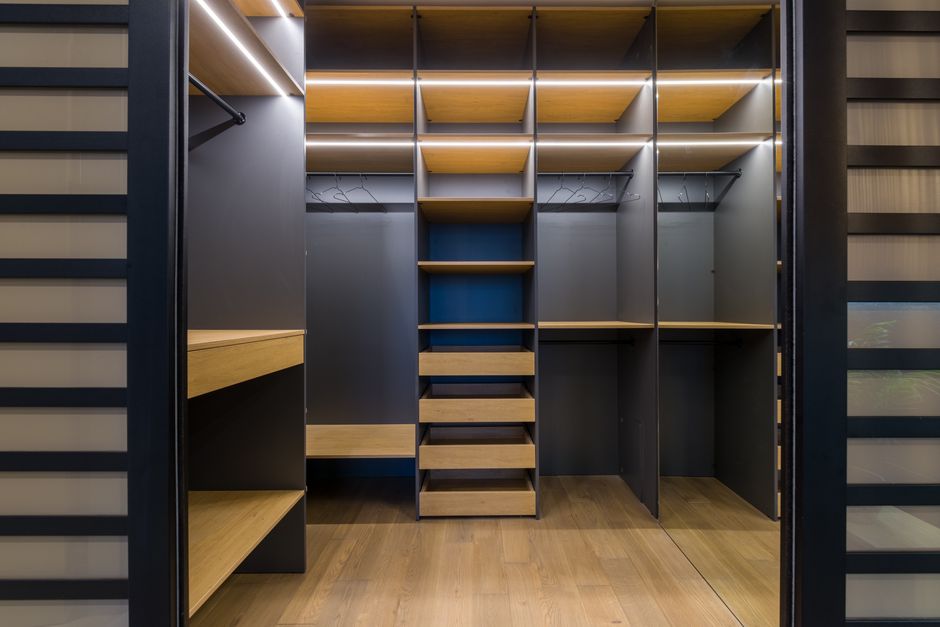
Navigating the options for hotel wardrobes requires a structured approach. Your evaluation must extend far beyond the immediate quote to encompass durability, design flexibility, and guest functionality. This framework ensures you make an informed decision that supports both your budget and your operational goals.
Material Specification and Construction Quality
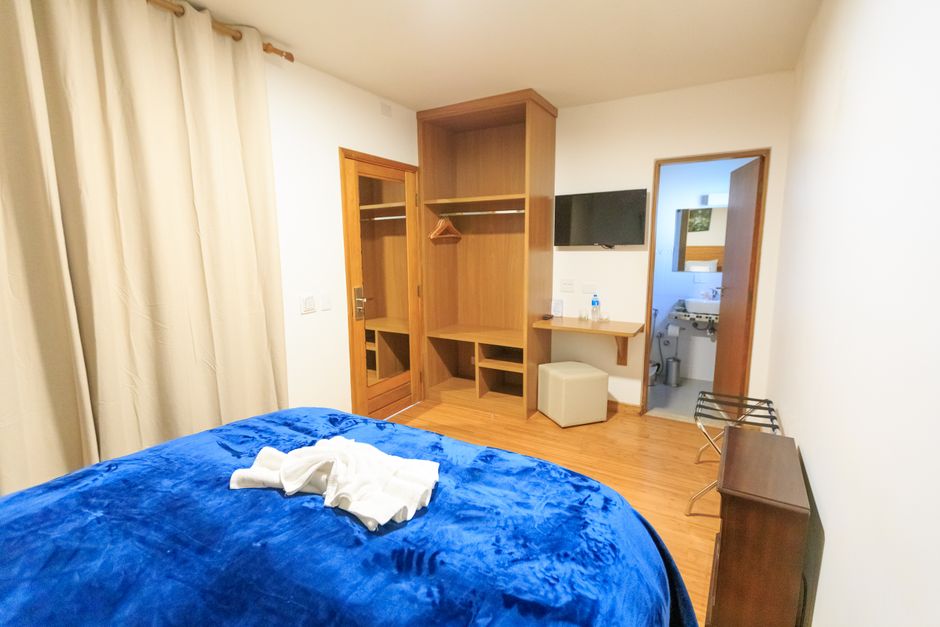
The foundation of any durable wardrobe lies in its materials and how they are assembled. For commercial use, standard particleboard or low-density fiberboard (LDF) often proves inadequate against the rigors of hotel guest use. Opt for materials like high-density fiberboard (HDF), commercial-grade plywood, or solid wood components for structural integrity.
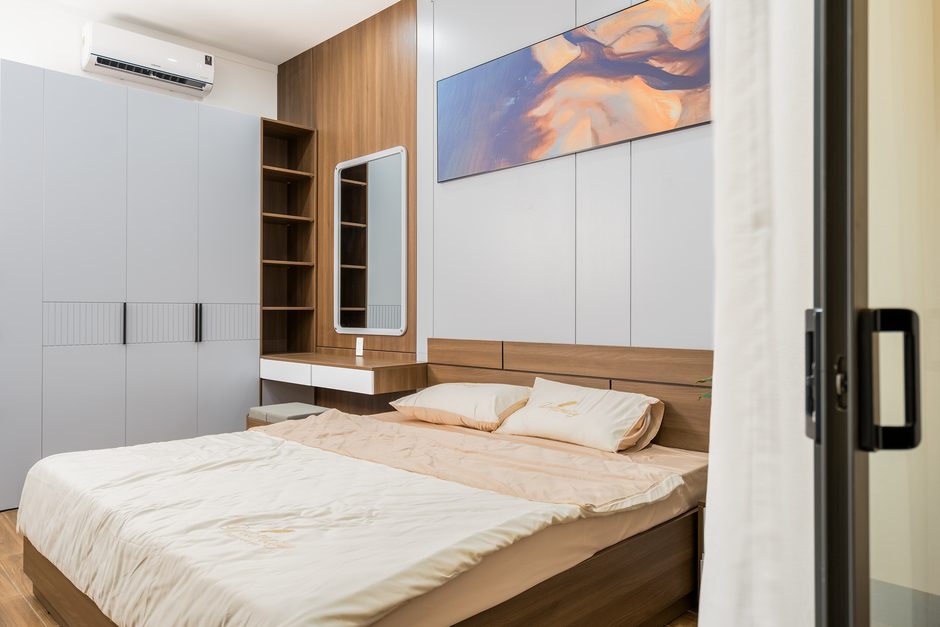
- Substrate: HDF or commercial-grade plywood (minimum 18mm thickness) for panels and shelves provides superior screw retention and moisture resistance compared to particleboard. This prevents common issues like sagging shelves or loose hardware.
- Finishes: High-pressure laminate (HPL) or thermofoil (TFL) offers excellent scratch, impact, and moisture resistance. Edge banding should be 2mm PVC, applied with hot-melt adhesive for a seamless, durable seal that resists peeling.
- Hardware: Specify European-made hinges and drawer glides (e.g., Blum, Hettich) rated for 80,000+ cycles. This prevents common failures that lead to maintenance calls within the first few years.
Design Flexibility and Space Optimization
Every hotel room is unique, and a one-size-fits-all approach to wardrobes is rarely efficient. Consider how the design integrates with the room layout and guest needs. Custom Modular Hotel Closets offer the adaptability required to maximize utility in diverse room types, from compact urban rooms to expansive resort suites.
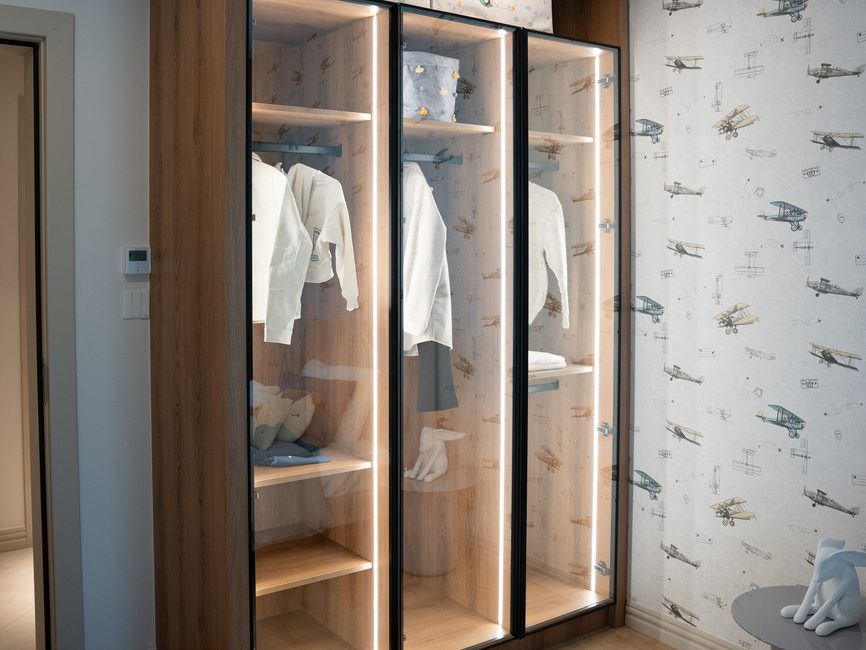
- Dimensions: Work with a supplier that offers fully customizable dimensions, not just standard sizes. This ensures optimal fit, whether it’s a narrow passage or a wide alcove.
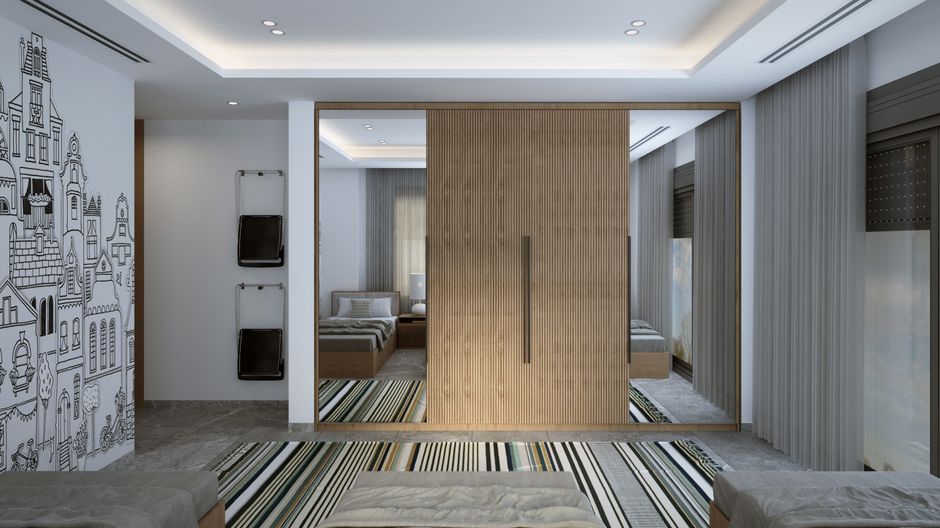
- Internal Configuration: Beyond hanging space, consider integrated shelving, drawers, or even a mini-bar compartment. For Space-Saving Hotel Wardrobe Design, sliding doors or open closet concepts can enhance perceived room size without sacrificing storage.
- Aesthetics: The wardrobe should complement the overall room design. A professional design team can create tailored spaces, ensuring the wardrobe enhances the guest experience.
Durability and Ease of Maintenance
Hotel wardrobes endure constant use and cleaning. Their design and materials must prioritize longevity and simple upkeep. Specifying Durable Commercial Closet Systems from the outset minimizes future operational headaches and costs.
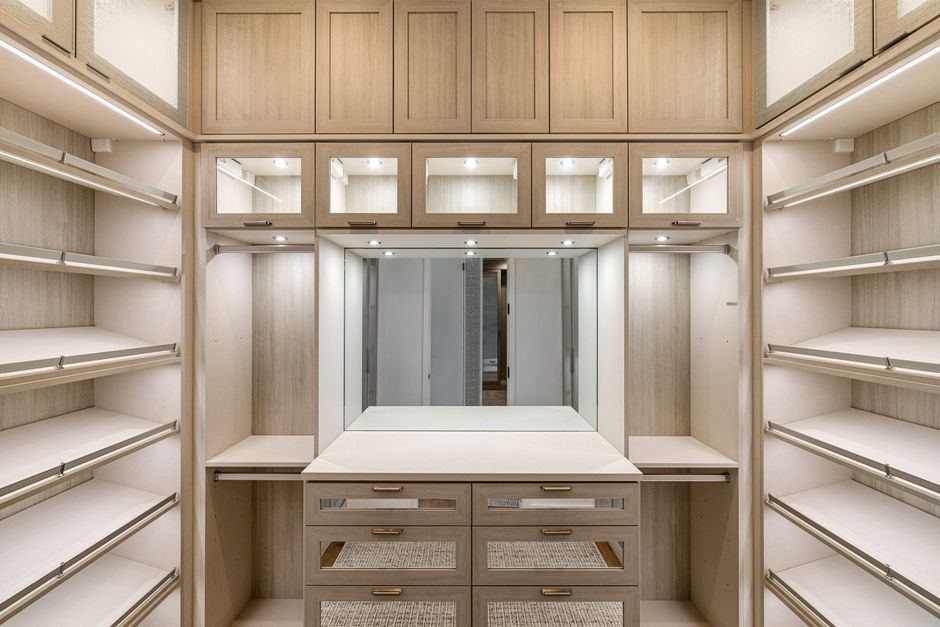
- Impact Resistance: Edges and surfaces should withstand impacts from luggage and frequent cleaning. Consider rounded edges or robust profiles in high-traffic areas.
- Cleanability: Non-porous, smooth finishes (HPL, melamine) are easier to clean and sanitize, crucial for hygiene standards in 2026. Avoid intricate designs that trap dust or require specialized cleaning.
- Repairability: Can individual components (e.g., a damaged door panel) be easily replaced without dismantling the entire unit? This modularity can significantly reduce long-term repair costs.
Functionality and Guest Experience
A hotel wardrobe is a functional utility for guests. It needs to be intuitive, accessible, and provide adequate storage for varying stay lengths and traveler types.
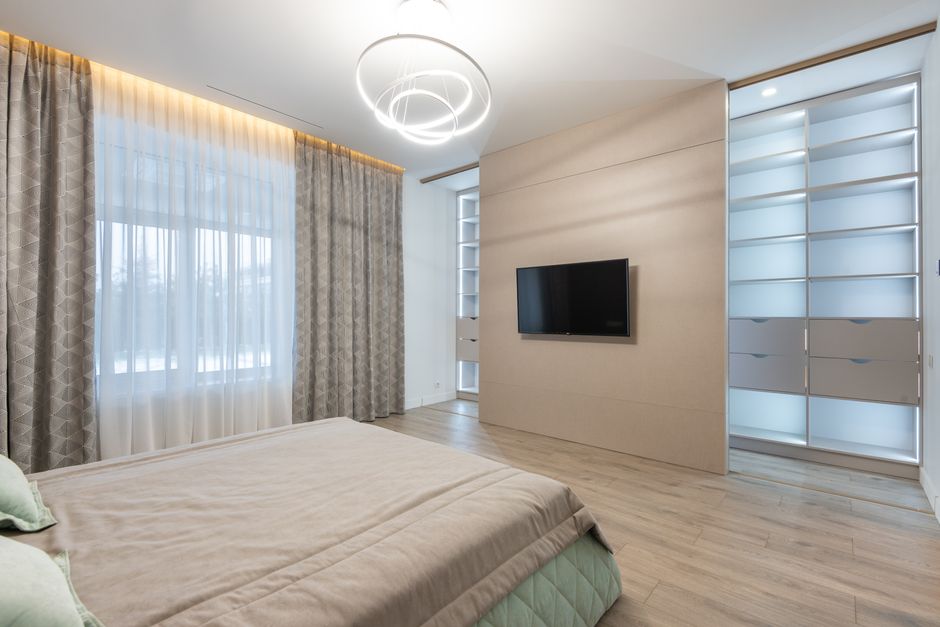
- Accessibility: Hanging rods should be at a comfortable height (typically 68-72 inches from the floor). Ensure drawers and shelves operate smoothly and quietly.
- Illumination: Integrated LED lighting with motion sensors enhances visibility, especially for guests arriving late. This small addition significantly improves user experience.
- Amenities: Consider incorporating a built-in ironing board, luggage rack, or a safe. These thoughtful additions elevate the guest’s perception of value, impacting their overall satisfaction.
What Separates a Good Supplier from a Great One
Choosing the right supplier is as critical as selecting the right product. A great Hotel FF&E Wardrobe Supplier acts as a partner, providing expertise and support throughout the entire project lifecycle. Here’s a checklist to guide your supplier evaluation:
| Evaluation Area | Questions to Ask Potential Suppliers | Why It Matters for Your Hotel Wardrobe Price |
|---|---|---|
| Experience & Specialization | How many similar 5-star hotel projects have you completed in the last 3 years? Can you provide case studies? | Demonstrates proven capability in high-stakes hospitality FF&E, reducing project risk and ensuring quality. |
| Design & Customization | Do you have an in-house design team? What is your process for custom designs and prototyping? | Crucial for tailored solutions that fit unique room layouts and brand aesthetics, optimizing functionality and aesthetics. |
| Manufacturing & Quality Control | What certifications (e.g., ISO, CE) do you hold? Describe your QC process, from raw materials to final product. | Ensures adherence to international quality and safety standards, directly impacting product longevity and guest safety. |
| Logistics & Installation | Do you offer a one-stop solution including logistics and installation? How do you handle international shipping? | Streamlines the entire procurement process, reducing coordination headaches and potential delays for your hotel wardrobe price project. |
| After-Sales Support & Warranty | What is your warranty period and what does it cover? How quickly do you respond to post-installation issues? | Protects your investment and ensures prompt resolution of any defects, minimizing operational disruptions. |
A great supplier provides transparent pricing, detailed specifications, and a clear project timeline. They should be able to offer factory-direct pricing and demonstrate a deep understanding of commercial-grade requirements, not just residential aesthetics. Zhobai Hotel Furniture, for instance, offers a one-stop solution from early-stage planning to installation, backed by over 15 years of experience in custom hotel furniture.
Red Flags and Non-Negotiables — When to Walk Away
Identifying warning signs early can save your project from significant delays, cost overruns, and quality compromises. When evaluating suppliers for your hotel wardrobe price, pay close attention to these red flags:
- Unrealistically Low Quotes: If a quote is significantly lower than others, it often indicates compromises in material quality, manufacturing standards, or hidden costs. Expecting a commercial-grade wardrobe for residential pricing is a recipe for disaster and will ultimately cost more in replacements.
- Lack of Transparency in Specifications: A supplier unwilling to provide detailed material specifications, hardware brands, or construction methods is hiding something. Insist on clear documentation for every component to avoid being surprised by inferior materials.
- Poor Communication and Responsiveness: During the quoting and design phase, a supplier’s communication reflects their future project management. Delays in response, vague answers, or missed deadlines are strong indicators of potential issues once production begins.
- No Certifications or Poor Audit History: Reputable manufacturers hold certifications like ISO 9001 (quality management) and CE (European conformity). A lack of these, or an inability to provide recent factory audit reports, signals potential quality and ethical concerns.
- Absence of After-Sales Support or Warranty: A supplier who offers no clear warranty or a vague after-sales support policy is unreliable. Commercial furniture requires robust backing; without it, you’re entirely exposed to potential defects or damage post-installation.
How Top Hotels Approach Hotel Wardrobe Price Differently
Leading hospitality brands don’t just buy wardrobes; they invest in integrated storage solutions that enhance guest experience and operational efficiency. Their approach to hotel wardrobe price is strategic, focusing on long-term value over short-term savings.
Scenario 1: The Boutique Urban Hotel
A newly opened 120-room boutique hotel in a high-density urban area faced compact room footprints. Instead of traditional swinging door wardrobes, they collaborated with their Hotel FF&E Wardrobe Supplier to develop Space-Saving Hotel Wardrobe Design with sliding mirrored doors and integrated pull-out drawers. This solution saved 12 square feet per room, allowing for larger desk areas and more open floor space. The initial unit cost was 15% higher than a standard model, but the perceived room size and enhanced functionality garnered overwhelmingly positive guest reviews, leading to a 7% higher ADR in its first year compared to local competitors. The investment in thoughtful design directly translated into increased revenue.
Scenario 2: The International Resort Chain
An international resort chain undertaking a 300-room renovation in Southeast Asia prioritized durability and local material integration. They specified wardrobes using moisture-resistant HDF cores and locally sourced, certified sustainable wood veneers. The supplier demonstrated a meticulous 47-point QC inspection process and offered a 10-year structural warranty. While the per-unit hotel wardrobe price was 20% above the market average, the resort projects a 15-year lifespan with minimal maintenance. This long-term view significantly reduces future CapEx cycles and minimizes guest disruption, ensuring sustained operational excellence.
Scenario 3: The Extended-Stay Property
An extended-stay property, aiming for high occupancy rates and guest comfort, focused on maximizing functionality. They opted for Custom Modular Hotel Closets with versatile configurations, including adjustable shelving, laundry hampers, and even small built-in luggage benches. The design was developed with input from their professional design team, ensuring optimal user flow. This strategic decision, while adding 10% to the initial hotel wardrobe price, resulted in a 90%+ occupancy rate and a higher guest satisfaction score for room amenities, directly contributing to stronger financial performance and brand loyalty.
Your Action Plan — Next Steps for Your Project
Making an informed decision about your hotel wardrobes is a multi-stage process. Follow these steps to ensure a successful procurement:
- Define Your Needs: Clearly outline your project scope (new build/renovation), target guest demographic, room sizes, and aesthetic vision. Quantify your budget range for the total project, not just individual units.
- Develop Detailed Specifications: Work with your interior design team to create precise material, construction, and functional specifications. Do not leave room for ambiguity. Request 3D renderings and material samples.
- Source Qualified Suppliers: Identify 3-5 potential suppliers with proven hospitality FF&E experience. Use the checklist provided in this guide to evaluate their capabilities beyond just the initial quote.
- Request Comprehensive Bids: Ask for detailed quotes that break down material costs, manufacturing, logistics, and installation. Compare apples to apples, ensuring all specifications are met.
- Evaluate Total Cost of Ownership: Look beyond the upfront hotel wardrobe price. Factor in durability, warranty, expected lifespan, and potential maintenance costs to understand the true long-term value.
- Negotiate and Finalize: Once you’ve selected your preferred supplier, negotiate terms, timelines, and payment schedules. Ensure all agreements are legally binding and reflect your detailed specifications.
The journey to selecting the right hotel wardrobes is complex, but with the right strategic approach, it yields significant long-term benefits. At Zhobai Hotel Furniture, we understand that optimizing your hotel wardrobe price is about delivering value, not just a low cost. Our 15+ years of experience, professional in-house design team, and one-stop solution approach — from early-stage planning to global logistics and installation — are built to empower your high-value bulk purchasing decisions. We don’t just supply furniture; we partner with you to create tailored, durable, and guest-centric spaces. Start a conversation with our experts today to elevate your next project.