Most GCC developers know China is the world’s dominant hotel furniture manufacturing base. The real barrier is not cost or quality — it is the operational risk of getting millions of dollars of custom casegoods from a factory floor in Foshan to a guest room in Dubai without damage, delay, or customs hold. The furniture arrives in a container that has crossed the equator, baked at 60°C surface temperature, and condensed moisture onto every surface. That risk is real and avoidable.
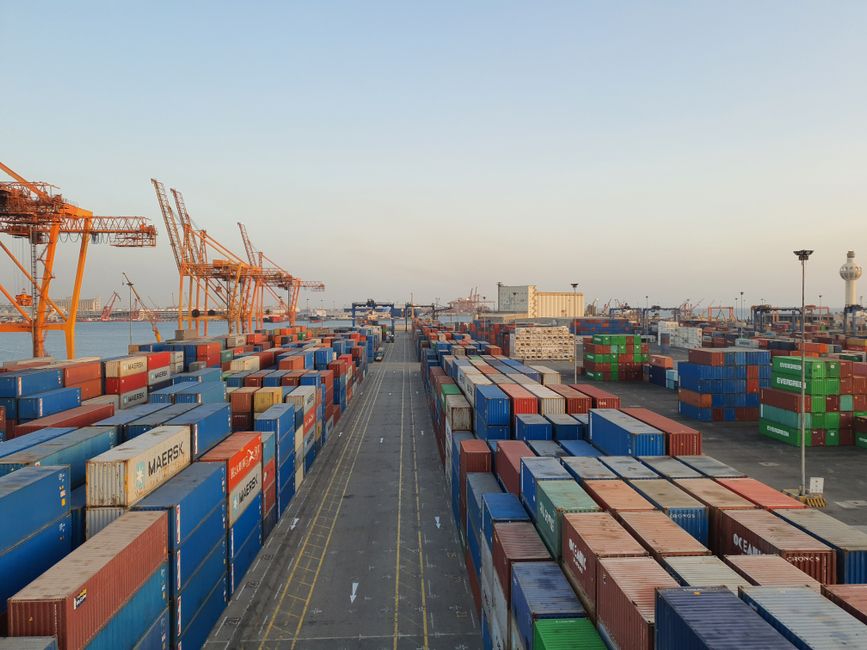
This guide covers the full logistics chain for importing hotel furniture from China to Middle East — from the manufacturing clusters in Guangdong and Jiangsu, through ocean freight routing to Jebel Ali, Dammam, and Jeddah, to the packaging specifications that prevent moisture damage, and the customs clearance procedures that prevent costly demurrage. Every number and procedure here comes from direct shipping experience and port data.
Learn more about Custom Hotel Furniture Services Trends.
Learn more about Hotel Furniture Cost Per Room Guide.
China’s Furniture Manufacturing Clusters for Hospitality Projects
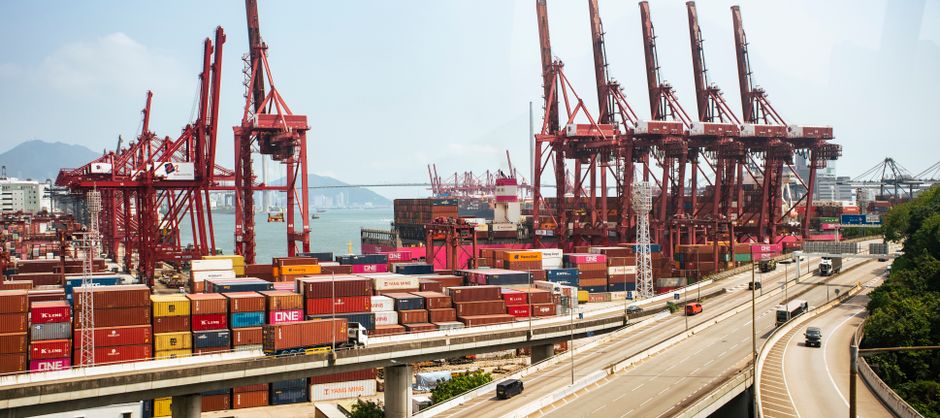
The majority of contract-grade hotel furniture for GCC projects originates from two main regions. Guangdong Province — specifically Foshan and Shunde — is the primary hub, accounting for roughly 30% of global furniture exports. Factories here supply major hotel groups including Marriott, Hilton, and IHG with casegoods, seating, and millwork. Jiangsu Province excels in high-end custom upholstery and classic wood furniture; it is a strong export base for Middle East projects requiring intricate wood detailing or carved pieces.
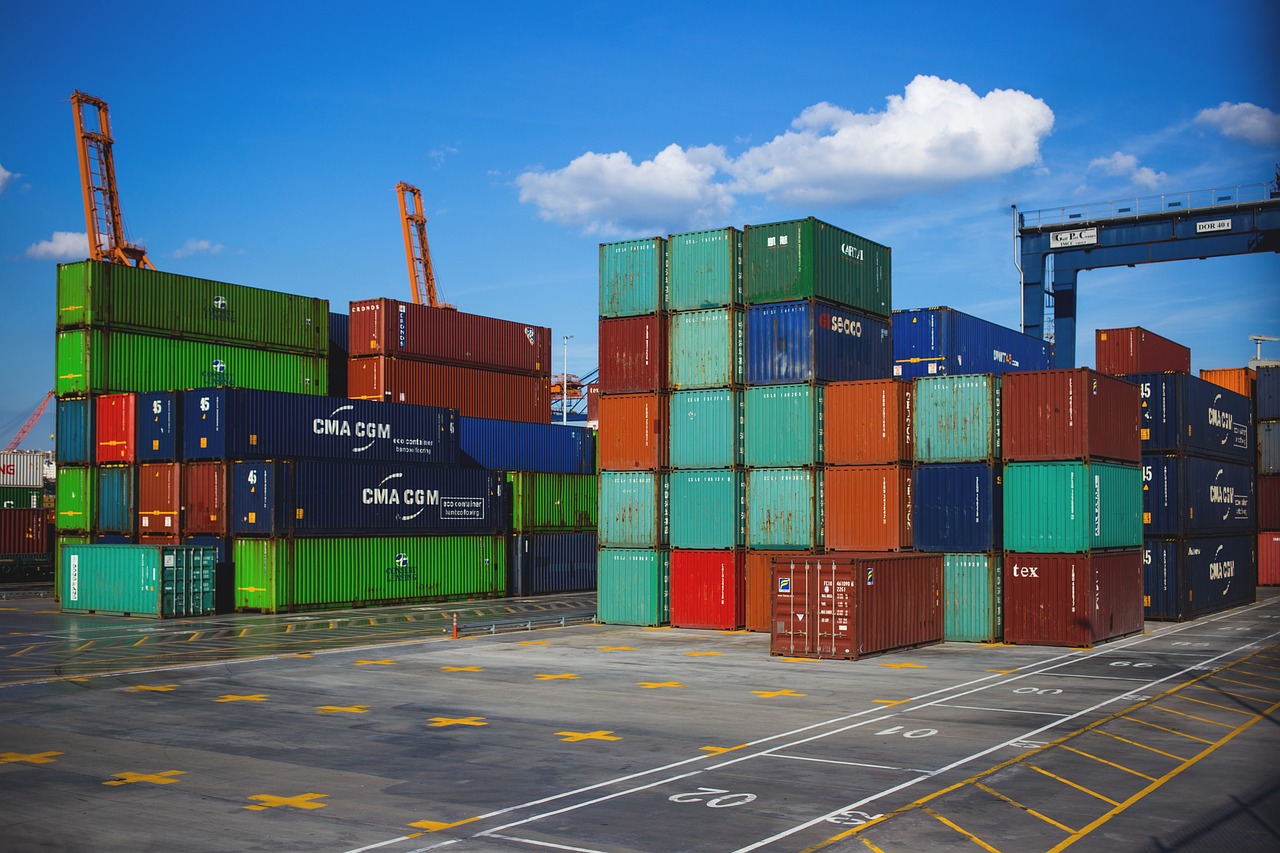
Buying factory-direct from these clusters eliminates three margin layers: the trading company (10–20% markup), the regional importer (15–25%), and the local distributor (20–30%). On a 200-room hotel project with an FF&E budget of roughly $3,000 per key, skipping those layers saves $180,000–$450,000. That is real budget for upgraded materials or faster production.

When evaluating a China contract furniture factory, verify these certifications before signing: ISO 9001 (quality management), ISO 14001 (environmental), FSC (sustainable wood), CARB P2 (composite wood formaldehyde emissions), BSCI (social compliance), and fire retardancy to BS 5852 or CAL 117, depending on the brand’s specification. A factory that cannot present these certificates in the first email is not export-ready.
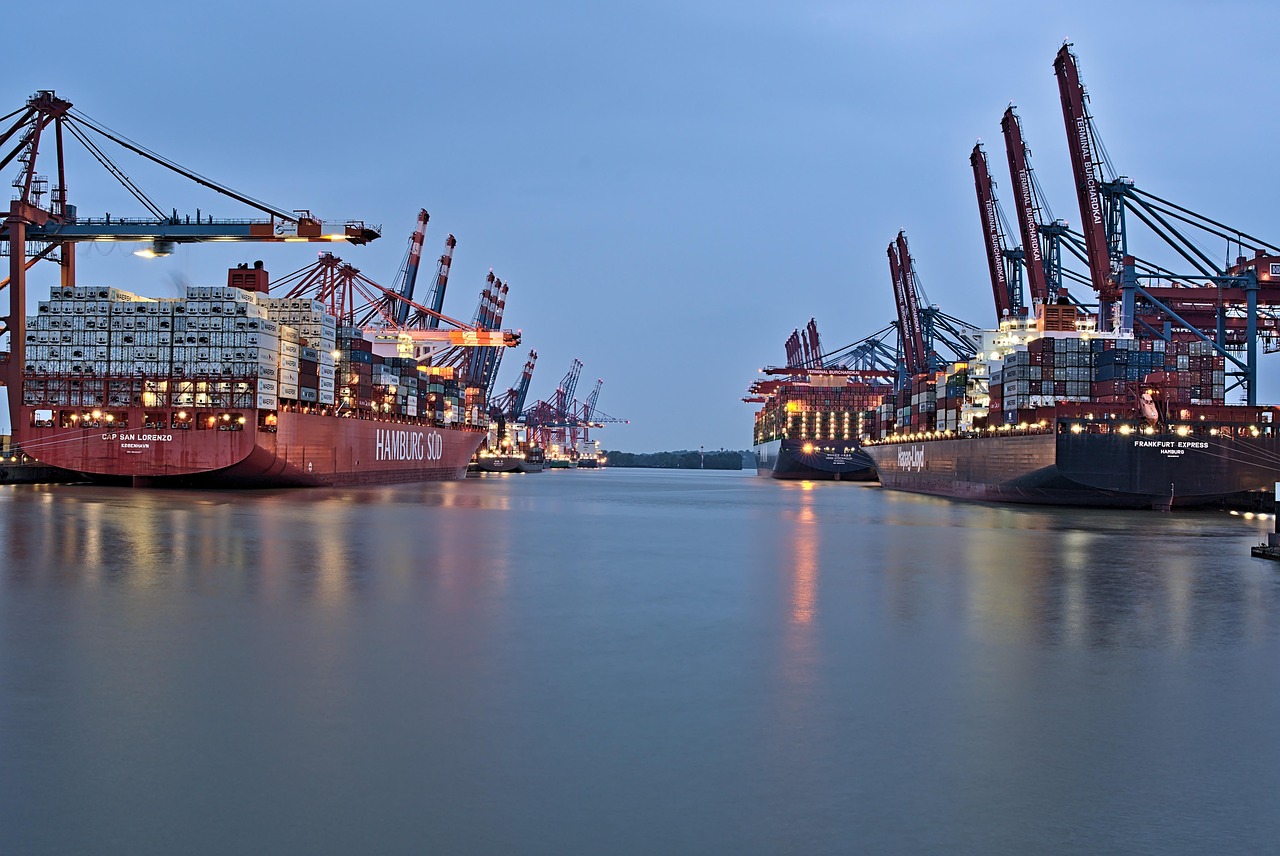
The Ocean Freight Journey: From Factory to GCC Port
The logistics route for importing hotel furniture from China to Middle East follows well-established sea lanes. Below are the primary ports, typical transit times from Guangdong, and carriers.
| Port | Transit Time (from Guangdong) | Major Carriers | Notes |
|---|---|---|---|
| Jebel Ali (Dubai) | 14–18 days direct | COSCO, Maersk, MSC, CMA CGM | World’s largest artificial port; 67 berths; weekly direct services |
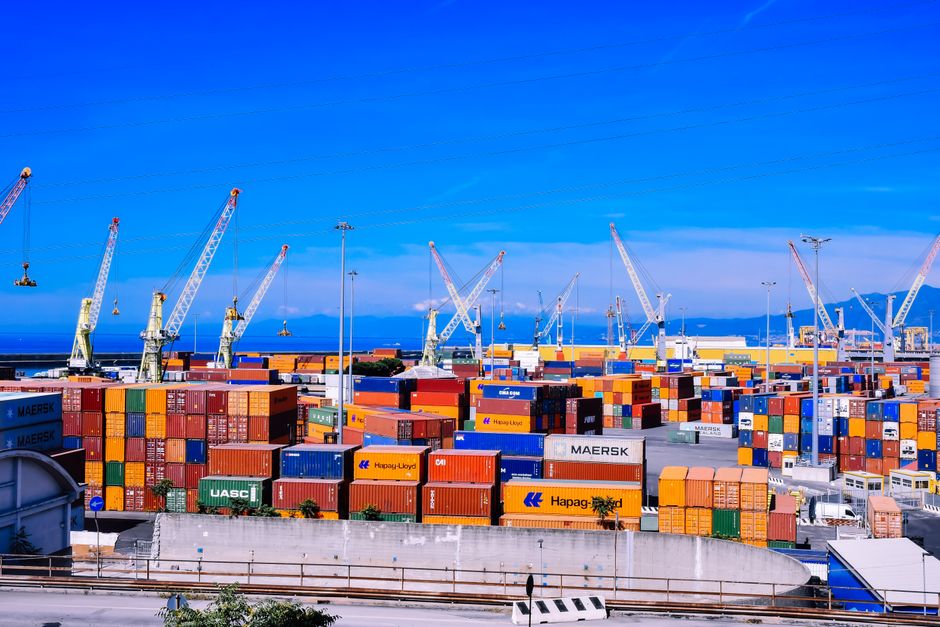
| Dammam (Saudi Arabia) | 18–22 days | COSCO, Evergreen, MSC | King Abdul Aziz Port; gateway for Riyadh & Eastern Province |
| Jeddah (Saudi Arabia) | 20–25 days | Maersk, CMA CGM | Jeddah Islamic Port; primary entry for western KSA & Mecca |
| Abu Dhabi (Khalifa Port) | 15–19 days | CMA CGM, Hapag-Lloyd | Alternative to Jebel Ali; good for UAE mainland distribution |
For a typical 100+ room project, production lead time is 45–60 days after sample approval and deposit. Add 2–4 weeks sea freight to reach the Middle East. Ocean freight from Chinese ports to Jebel Ali adds roughly 15–25% to the FOB value — that must be built into the budget at the specification stage. A 20-foot container of furniture costs $1,000–$3,000 to ship depending on current market rates. Full container load (FCL 40HC) is optimal for hotel projects, holding ~65–72 CBM of furniture. Common Incoterms: FOB (factory-loaded, buyer manages shipping), CIF (supplier covers freight and insurance to destination port), and DDP (door-to-door, worth requesting if the buyer lacks local customs relationships).
For a complete overview of hotel furniture procurement, see our Middle East Hotel Furniture Sourcing Guide.
Container Climate: The True Enemy of Wood Furniture
This is the most overlooked risk in importing hotel furniture from China to Middle East. Shipping containers passing through equatorial and Red Sea trade lanes experience extreme thermal stress. Black container walls in equatorial zones can reach surface temperatures of 80°C at midday, then drop below 20°C at night — creating the phenomenon known as “container rain.” Warm, humid air inside the container meets cooler metal surfaces and condenses, literally dripping onto cargo. Solid wood and MDF are hygroscopic; they absorb this moisture, causing warping, swelling, joint failure, and mold growth. Even “dry” wooden pallets carry 8–18% moisture content. The China-to-Gulf route passes through tropical South China Sea and Indian Ocean humidity zones, making temperature swings most extreme during port loading and unloading, not just at sea.
Packaging Standards to Demand in Your Purchase Contract
To prevent moisture damage, specify the following packaging requirements in your contract. A factory that balks at these requirements is not serious about export quality.
- Pre-shipment moisture content check: Furniture panels must have ≤8% moisture content before packaging. Require a written test certificate from the factory.
- Layer 1 — PE film wrap: Every piece wrapped in polyethylene moisture barrier film. This is the primary vapor barrier.
- Layer 2 — EPE foam or bubble wrap: Corner and edge protection against vibration damage during transit.
- Layer 3 — Export-grade wooden crate or carton: For large casegoods, insist on solid wooden crating — not cardboard. For smaller items, specify 5-layer corrugated export cartons.
- Container desiccants: Calcium chloride desiccant poles placed inside the container. They absorb up to 3× their weight in moisture and trap it as gel. Follow DIN 55474 standard to calculate the quantity based on container volume and route.
- Kiln-dried pallets only: Green wood pallets can carry 50–100% moisture content. Specify heat-treated (HT) and kiln-dried pallets — not just “treated.” Heat treating ≠ kiln drying.
- Container liner (optional but recommended): A reflective thermal liner inside the container can reduce temperature fluctuation by up to 60%. Worth it for high-value FF&E shipments.
- IoT monitoring (premium): Place temperature/humidity data loggers inside the container. If damage occurs, you have proof for insurance claims.
These sea shipping furniture packaging standards are not optional for GCC destinations. Factories that ship to the Middle East regularly will have these procedures standard. Ask for photographs of previous packing processes.
Jebel Ali Customs Clearance: The Definitive Pitfall Guide
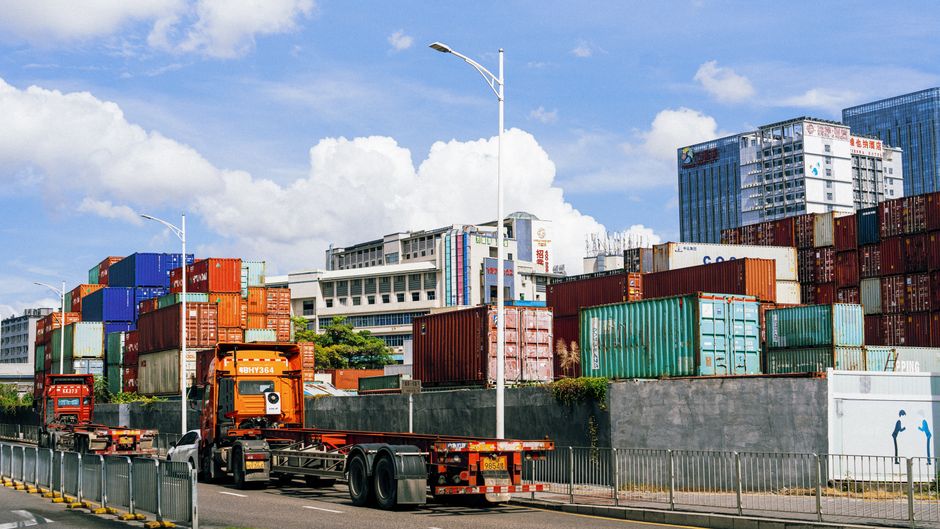
Jebel Ali port handles over 19.4 million TEUs annually. It is the primary gateway for the majority of China-UAE furniture shipments. Clearance takes 1–3 days for compliant shipments — but one document error can cause a two-week hold, costing $150+/day in demurrage per container. Use a licensed Jebel Ali customs broker who files through the Mirsal 2 electronic platform.
From January 2025, the UAE mandates 12-digit GCC Integrated Customs Tariff HS codes (up from 10-digit). Incorrect codes trigger penalties and delays. Duty is 5% on CIF value (Cost + Insurance + Freight) — among the lowest furniture import duties globally. VAT is 5% on (CIF value + customs duty), recoverable by VAT-registered businesses.
Document Checklist — Every Item Required
| Document | Key Requirements | Common Pitfall |
|---|---|---|
| Original Bill of Lading (OBL) | Must match cargo description exactly; issued by shipping line | Mismatch with packing list triggers inspection hold |
| Commercial Invoice | Itemized; includes 12-digit HS codes; unit prices; total CIF value | Undervaluation flags fraud risk; vague descriptions delay clearance |
| Packing List | Per-piece detail: dimensions, weight, quantity, material; no “Misc” | Vague descriptions (e.g., “furniture”) trigger X-ray + $150+/day storage |
| Certificate of Origin (CO) | China-issued; confirms origin for GCC tariff application | Missing CO = shipment held; factory must prepare before loading |
| Fumigation Certificate | Required for all solid wood packaging (ISPM 15 standard) | UAE requires specific attestation; pre-validate with factory |
| Import Declaration | Filed via Mirsal 2 by licensed customs broker | File errors can stall release for days |
| Trade License Copy | Valid UAE trade license of importing entity | Expired license = clearance blocked |
| ESMA Approval (if applicable) | Certain goods require Emirates Authority conformity | Check with broker whether furniture HS code triggers ESMA |
Understanding customs clearance Jebel Ali port also means choosing the right entry route. JAFZA (Jebel Ali Free Zone) allows bonded movement — no duty or VAT while goods remain in the free zone. Ideal for distributors re-exporting across GCC. Mainland UAE direct is simpler for hotel developers supplying UAE projects: pay 5% duty + 5% VAT, then reclaim VAT. If port congestion occurs, containers may discharge at Fujairah or Khorfakkan and transit by road to Jebel Ali under bond — clearance still happens at Jebel Ali.
Saudi Arabia ports have their own rules. Dammam and Jeddah require Arabic labeling on certain goods. Confirm with a Saudi-licensed customs broker before shipping. Use FASAH system for electronic clearance in Saudi Arabia.
Selecting the Right China Contract Furniture Factory
Not every factory that claims to export to the Middle East actually does. A true export-ready factory treats documentation as a product feature. They have a dedicated team that tracks GCC-specific requirements, not a single overworked clerk. Ask for their standard document checklist for GCC countries before signing. Request sample commercial invoice and packing list — a clean PDF with pre-filled HS codes signals experience; a messy Excel spreadsheet is a red flag.
Verify GCC/Middle East project references. Ask for client hotel names and photographs. Fire retardancy compliance is non-negotiable — confirm the factory uses compliant materials and can produce test certificates per batch. For a 200-room project, batch consistency is critical; the factory must have proven production control and QC processes. Standard payment terms are 30% deposit + 70% before shipment. For first orders over $5,000, avoid full upfront payment.
At Zhobai Hotel Furniture, our engineering team has managed logistics for hotel projects across the Middle East, including GCC countries. We understand that importing hotel furniture from China to Middle East requires more than just good pricing — it demands precise packaging, accurate documentation, and a logistics partner who communicates in real time. Our factory-direct pricing and in-house design team ensure that every piece is specified for the journey before it leaves the workshop.
ZHOBAI HOTEL FURNITURE
Ready to Apply These Principles to Your Project?
Our engineering team responds to all project briefs within 24 hours. Share your FF&E scope — room count, property type, target timeline, and budget range — and we’ll provide a factory-direct assessment and indicative pricing within one business day.