The hospitality sector across the Middle East is experiencing an surge in development, with new projects breaking ground and existing properties undergoing significant renovations, particularly across Saudi Arabia, the UAE, and Egypt. This rapid expansion, fueled by ambitious national tourism strategies and a broadening visitor base, places immense pressure on the supply chain for high-quality, specialized Middle East hotel furniture. Procurement managers, interior designers, and hotel owners are currently grappling with extended lead times, fluctuating material costs, and an urgent need for suppliers capable of delivering both scale and bespoke craftsmanship. This isn’t just growth; it’s a recalibration of what hospitality furniture means for a region defining the future of travel.
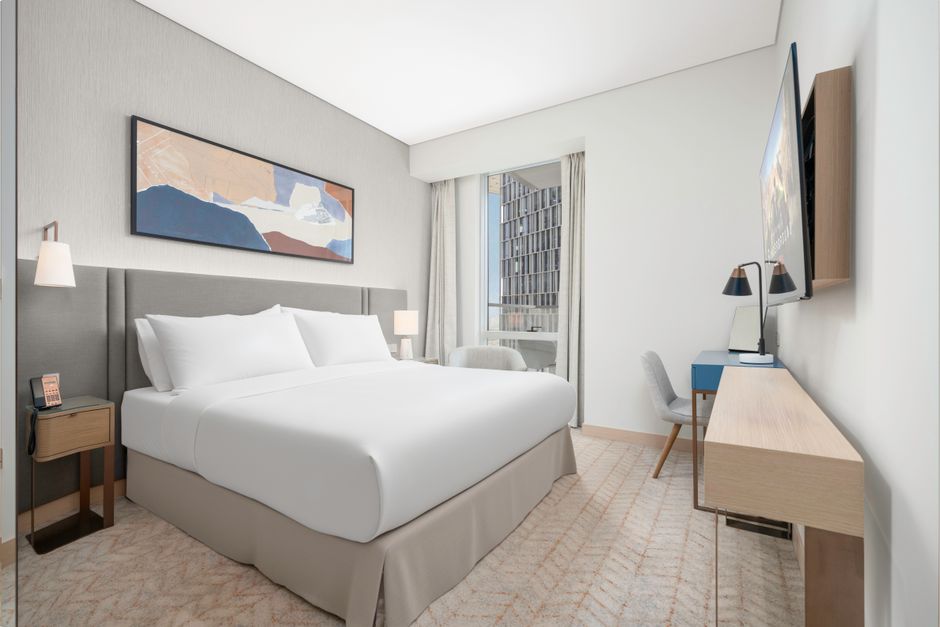
Why Middle East Hotel Furniture Is at an Inflection Point in 2026
Several powerful forces are converging to redefine the landscape of Middle East hotel furniture procurement in 2026, pushing it to a critical inflection point. The region’s hospitality pipeline continues to expand at a record pace, with data indicating a substantial increase in projects across all development stages, from early planning to active construction. This sustained investment, particularly in urban centers like Riyadh and Jeddah, and destination projects, creates unique demands.
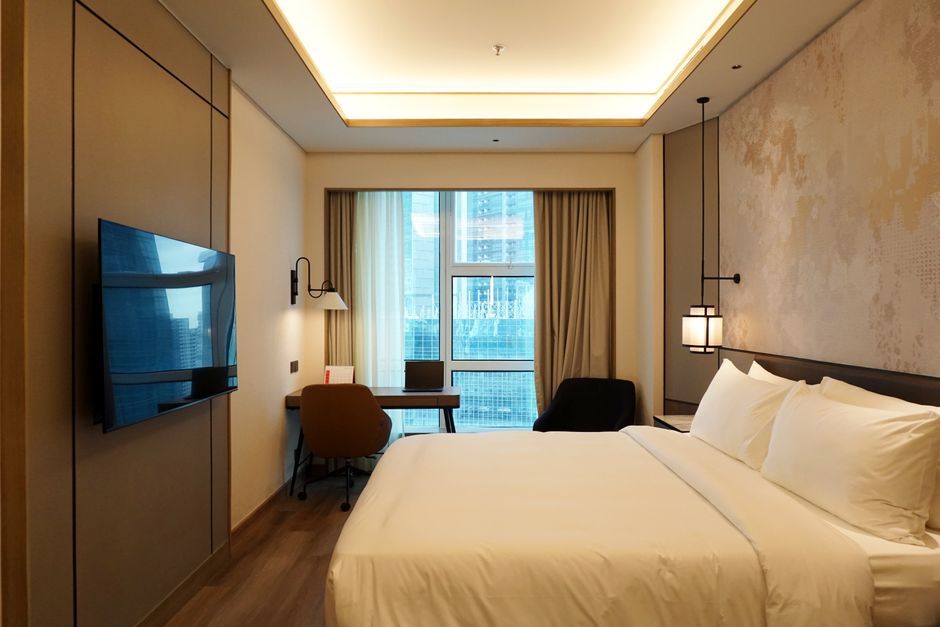
- Supply Chain Volatility and Resilience: The global supply chain, while stabilizing, remains susceptible to geopolitical shifts and logistical bottlenecks. This necessitates a move towards more resilient sourcing strategies, emphasizing transparency, diversified supplier networks, and robust risk management. Procurement teams are increasingly prioritizing partners who can guarantee material availability and consistent delivery schedules, rather than just the lowest bid.
- Escalating Sustainability Pressure: Environmental, Social, and Governance (ESG) factors are no longer optional but central to investment decisions and guest expectations. Hotel owners face mounting pressure to demonstrate tangible commitments to sustainability, which directly impacts furniture sourcing. This includes demand for materials with certified origins, low-VOC finishes, energy-efficient manufacturing processes, and products designed for longevity or end-of-life circularity. Suppliers who cannot meet stringent sustainability criteria are losing bids to those with clear, verifiable eco-credentials.
- Evolving Guest Expectations: Post-pandemic travelers are seeking more than just a room; they desire immersive, authentic, and technologically integrated experiences. This translates into a demand for highly customized furniture that reflects local culture, offers personalized comfort, and seamlessly incorporates smart technology. Standardized, off-the-shelf solutions are increasingly failing to impress a discerning guest base.
- Cost Inflation and Value Engineering: While development booms, the underlying costs of raw materials, labor, and logistics continue to exert pressure. Buyers are not just looking for cost savings but for intelligent value engineering that maintains design integrity and durability without compromising the guest experience. This requires deep collaboration with suppliers who understand material science and manufacturing efficiencies.
The Trends Redefining Middle East Hotel Furniture Right Now
The confluence of these factors is giving rise to distinct trends that are reshaping how hospitality contract furniture is conceptualized, sourced, and integrated into hotel projects across the region.

Hyper-Customization and Experiential Design
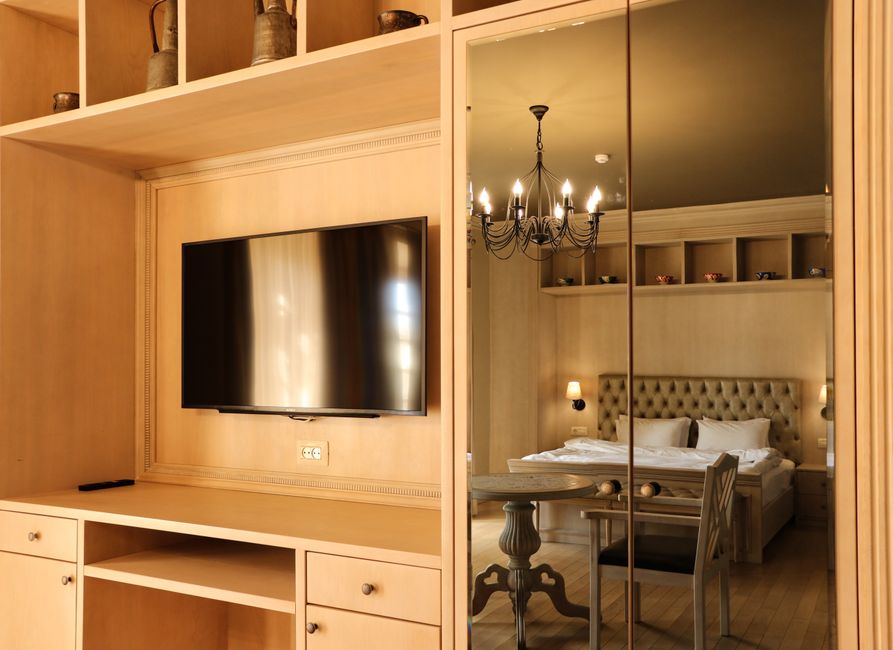
What is happening: Hotels are moving away from generic, mass-produced furnishings towards highly customized pieces that tell a unique story and create memorable guest experiences. This involves bespoke designs, unique material combinations, and furniture that integrates with the hotel’s specific theme or local heritage.
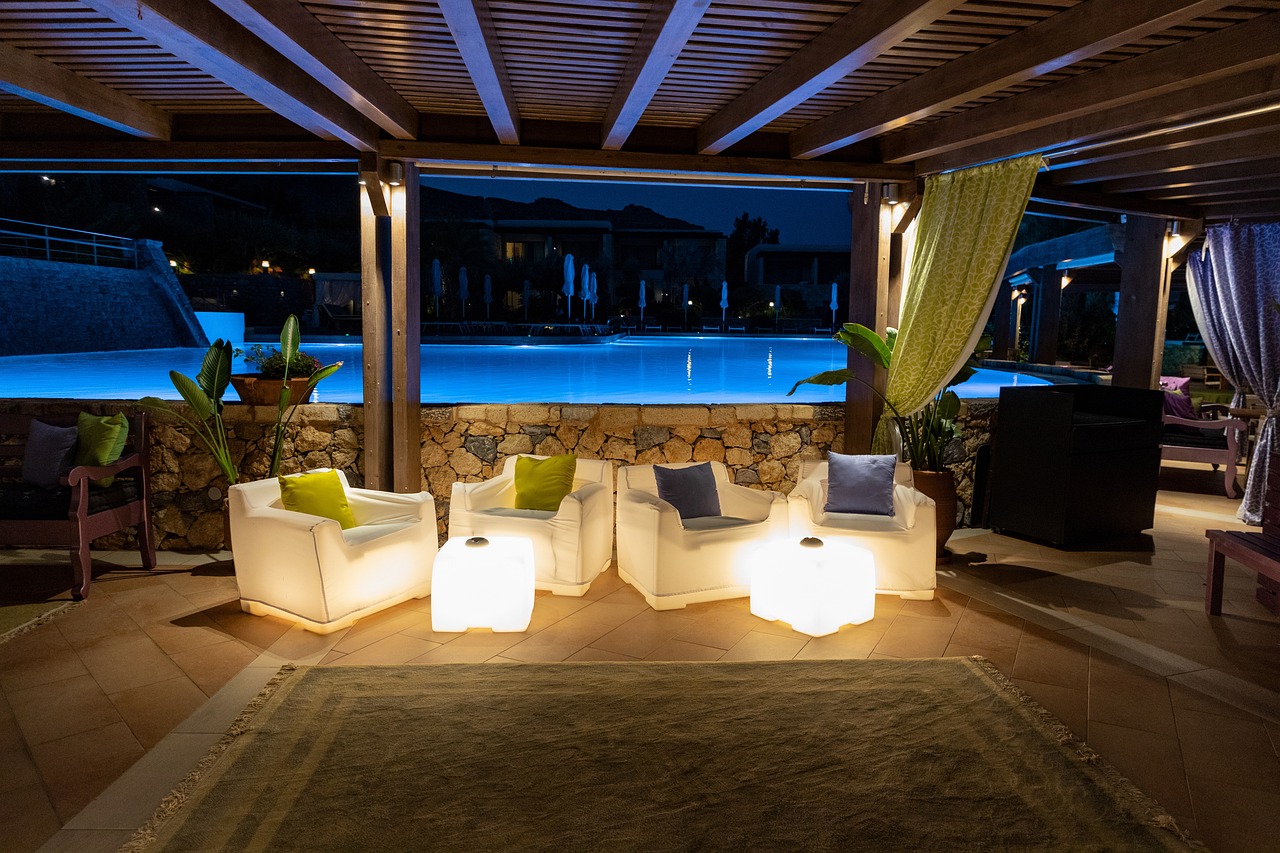
Why it is happening: The Middle East market, particularly with its emphasis on 5-star and boutique properties, is driven by a desire for differentiation and a response to guests who value unique aesthetics and authentic cultural immersion. Social media also plays a role, with guests seeking ‘Instagrammable’ moments that custom furniture can help create. Furthermore, the rapid expansion of diverse hotel concepts—from desert resorts to urban art hotels—demands furniture that can be tailored to very specific design briefs.
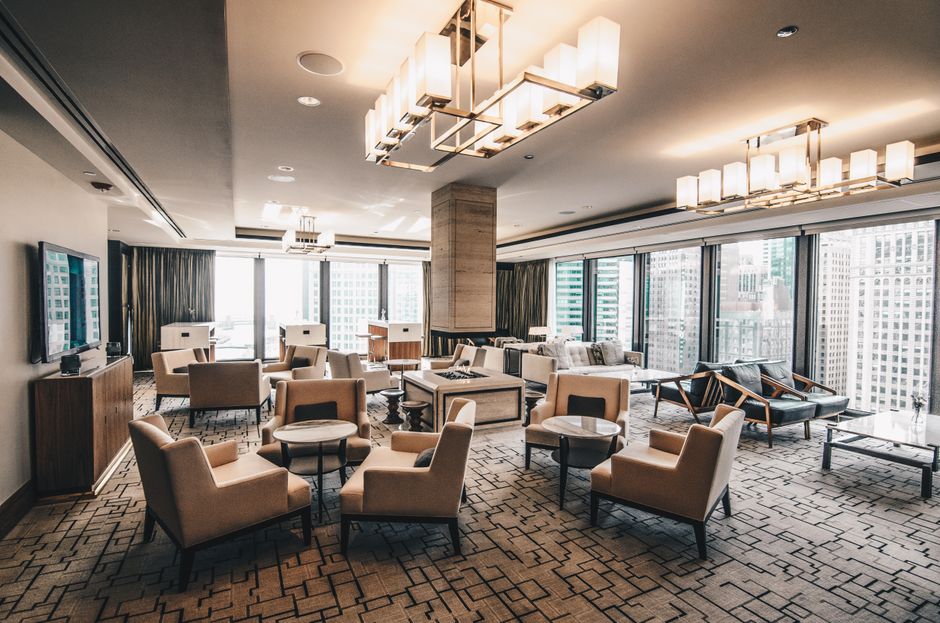
What it means for buyers: Hotel owners, developers, and designers must prioritize suppliers with robust in-house design capabilities and flexible manufacturing processes. The ability to work collaboratively on unique design concepts, adapt materials, and produce custom upscale hotel casegoods is paramount. This shifts the focus from off-the-shelf catalogs to a partnership approach where furniture becomes an integral part of the overall brand narrative. It means asking for detailed design portfolios and evidence of complex customization projects.
Sustainability and Circular Economy Principles
What is happening: There is a growing imperative to source furniture manufactured from sustainable materials, produced through ethical labor practices, and designed with a lifecycle perspective, including options for repair, reuse, or recycling.
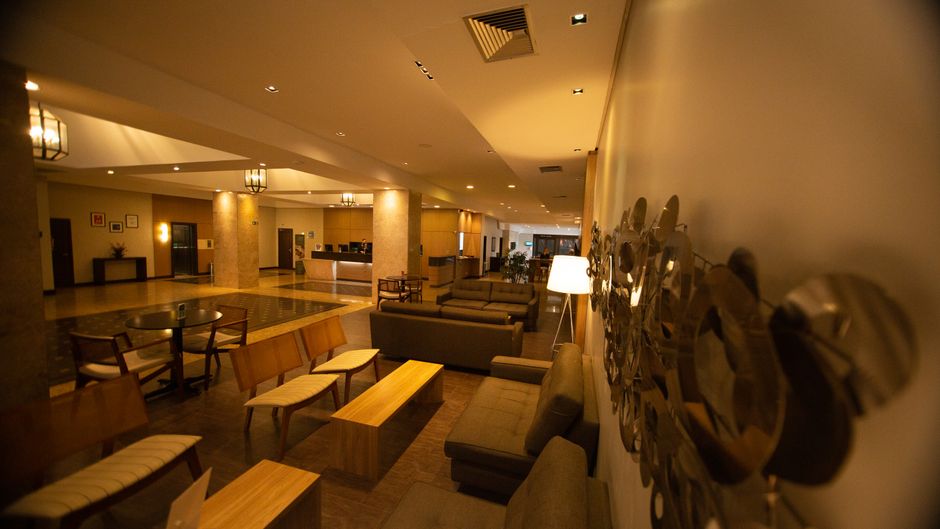
Why it is happening: Global regulatory frameworks are tightening, investor scrutiny on ESG performance is increasing, and guests, especially younger demographics, are making purchasing decisions based on a hotel’s environmental credentials. Hotels recognize that sustainable practices enhance brand reputation and can lead to long-term operational savings. The Middle East, with its significant new developments, has an opportunity to embed these principles from the outset.
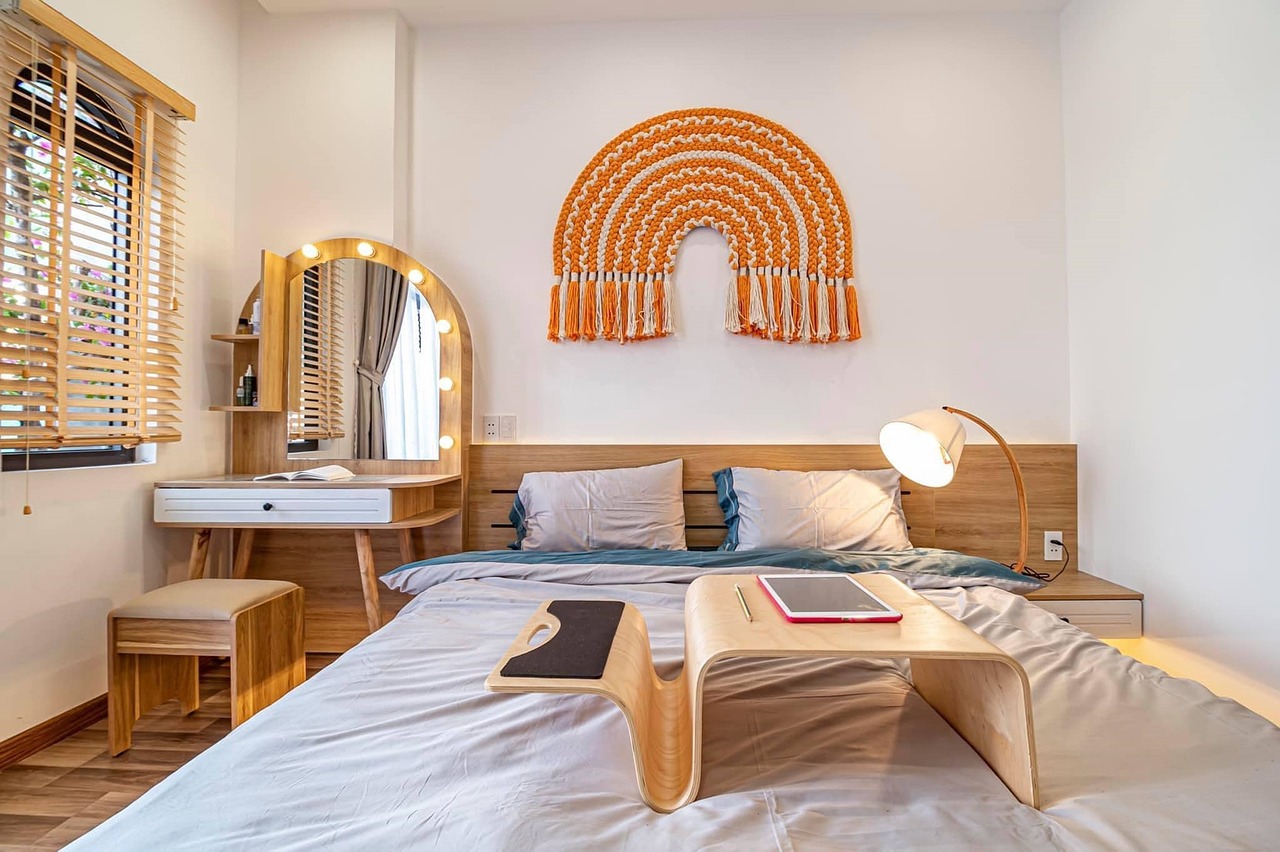
What it means for buyers: Procurement teams need to integrate sustainability metrics into their RFQ processes. This includes requesting certifications (e.g., FSC for wood, OEKO-TEX for fabrics, ISO 14001 for environmental management), material declarations, and details on manufacturing processes. Prioritizing suppliers with transparent supply chains and a commitment to waste reduction, like Zhobai Hotel Furniture, becomes crucial. Understanding the embodied carbon of furniture and its end-of-life plan is becoming a key evaluation criterion.
Integrated Technology and Seamless Connectivity
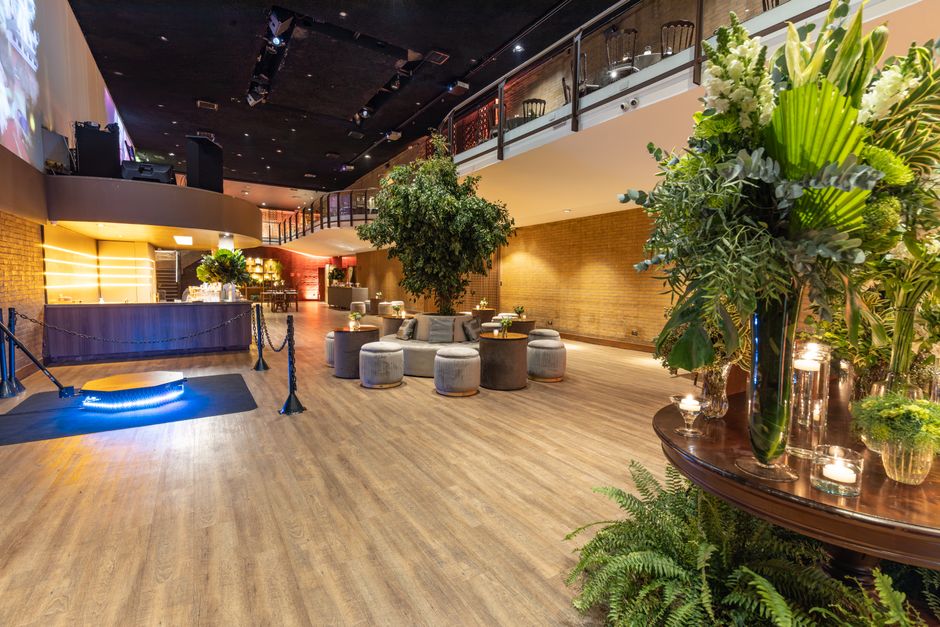
What is happening: Furniture is no longer just static decor but an active component of the guest room’s technological ecosystem, incorporating features like integrated charging ports, smart lighting controls, sensor-activated elements, and seamless connectivity solutions.
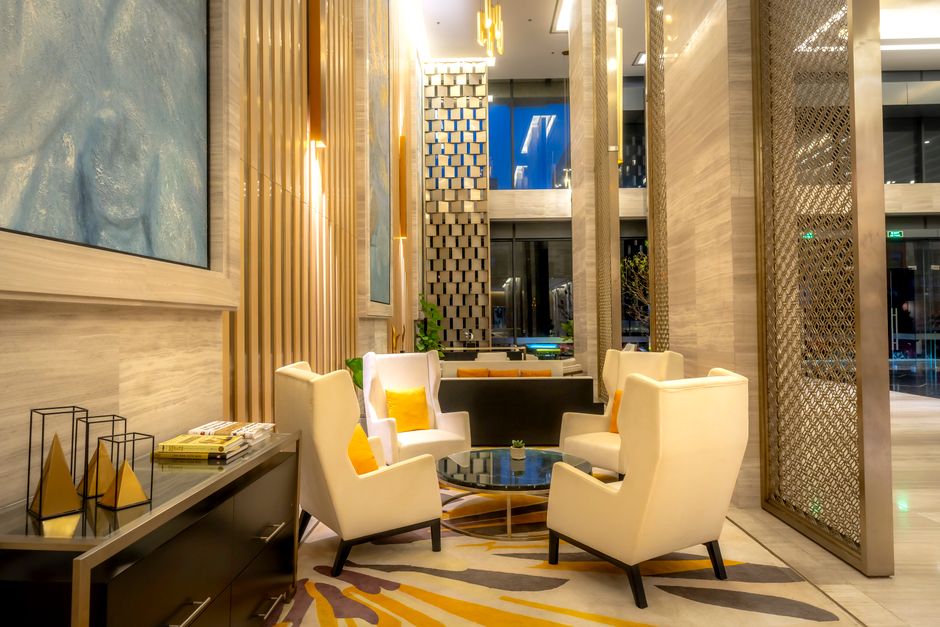
Why it is happening: Guests expect a hyper-connected environment, mirroring their home experiences. Hotels leverage integrated technology to enhance convenience, personalization, and operational efficiency (e.g., energy management). The rise of smart home technology has set a new baseline for guest expectations in hospitality.
What it means for buyers: When sourcing Middle East hotel furniture, buyers must evaluate a supplier’s expertise in incorporating technology without compromising aesthetics or durability. This requires detailed specification of power requirements, data integration points, and compatibility with existing building management systems. It also means ensuring that integrated tech components meet international safety standards and are easily maintainable.
Flexible and Multi-Functional Spaces
What is happening: Guest rooms and public areas are being designed with furniture that serves multiple purposes, allowing spaces to adapt throughout the day to various guest needs, such as work, relaxation, dining, or small gatherings.
Why it is happening: Maximizing space utilization is critical for profitability, especially in high-value urban developments. The evolving nature of travel, including the rise of ‘bleisure’ (business + leisure) and remote work, means guests need versatile spaces. Modular furniture, convertible pieces, and cleverly designed storage solutions are becoming standard.
What it means for buyers: Buyers should seek out suppliers who offer innovative, space-saving designs and durable, adaptable furniture. This involves scrutinizing hardware quality, ease of reconfiguration, and the aesthetic appeal of multi-functional pieces. The goal is to invest in furniture that enhances operational flexibility and guest satisfaction simultaneously.
Who Is Winning — and What They Are Doing Differently
In the highly competitive Middle East hotel furniture market, success hinges on adaptability, strategic partnerships, and a keen understanding of evolving demands. Here are anonymized scenarios of entities currently outperforming their peers:
- The Boutique Developer ‘Al-Nour Properties’: This developer, specializing in unique desert resorts, has won acclaim by moving beyond traditional procurement. Instead of sourcing individual furniture pieces from various vendors, they partnered with a single one-stop hotel furniture solutions provider from the early planning stages. This provider, with a dedicated in-house design team, collaborated directly with Al-Nour’s architects to develop bespoke furniture collections that perfectly matched the resort’s narrative, incorporating local materials and artisan techniques. This approach minimized design inconsistencies, streamlined logistics, and ensured on-time delivery for their complex, multi-phase projects.
- The Luxury Hotel Group ‘Desert Oasis Hospitality’: Faced with intense pressure to meet stringent sustainability targets for their new city hotel, their FF&E procurement team implemented a rigorous vetting process. They exclusively considered luxury resort furniture supplier partners who could provide comprehensive documentation on material provenance, manufacturing carbon footprint, and labor certifications. By prioritizing suppliers with ISO 14001 and verifiable sustainable forestry certifications for their wooden elements, they not only met their ESG goals but also secured a competitive advantage in attracting eco-conscious travelers.
- The Renovation Specialist ‘Gulf Interiors & Fit-Out’: This contractor, undertaking a large-scale refurbishment of an established urban hotel, faced tight deadlines and the challenge of integrating modern amenities into existing room layouts. They partnered with a manufacturer known for its ability to produce highly precise, modular casegoods with integrated power and data solutions. This allowed for rapid installation, minimal disruption to hotel operations, and a seamless upgrade to guest room technology, significantly improving guest satisfaction scores post-renovation.
The Risks of Standing Still
For hotel owners, developers, and procurement managers who fail to adapt to these shifts in the Middle East hotel furniture landscape, the consequences are concrete and severe:
- Competitive Disadvantage: Ignoring the demand for experiential design and personalization means new builds will struggle to differentiate themselves in a crowded market. Existing properties will appear dated, leading to lower occupancy rates and reduced Average Daily Rates (ADR) compared to competitors offering more contemporary and engaging guest environments.
- Escalating Costs and Reworks: Neglecting sustainable sourcing can lead to increased material costs due to future carbon taxes or regulatory penalties. Furthermore, relying on fragmented supply chains or unverified suppliers often results in quality issues, requiring costly reworks, shipment delays, and potential legal disputes, eroding project profitability.
- Negative Guest Experience and Brand Erosion: Failing to integrate smart technology or provide flexible spaces will lead to guest frustration and negative online reviews. A lack of charging ports, uncomfortable multi-purpose furniture, or dated aesthetics directly impacts guest satisfaction, harming the hotel’s reputation and long-term brand equity in a region where guest feedback is highly influential.
- Supply Chain Vulnerabilities: Sticking with traditional, less resilient supply chain models exposes projects to significant risks from unforeseen disruptions, leading to costly project delays and budget overruns. This can impact critical opening dates and result in substantial financial penalties.
What Smart Buyers Are Prioritizing in Their Next RFQ
To navigate the complexities of the Middle East hotel furniture market successfully in 2026, smart buyers are strategically adjusting their procurement priorities. Their Request for Quotation (RFQ) documents are evolving to reflect the trends outlined, emphasizing a holistic approach to supplier selection beyond just price.
Here’s what discerning FF&E procurement managers are focusing on:
| Sourcing Priority | Key Evaluation Criteria | Why It Matters for Middle East Projects |
|---|---|---|
| Design Customization Capability |
|
Essential for creating unique, branded guest experiences and integrating local aesthetics into luxury resort furniture and urban hotels. |
| Sustainability & Certifications |
|
Critical for meeting ESG mandates, appealing to eco-conscious guests, and future-proofing investments against environmental regulations. |
| Integrated Technology Solutions |
|
Delivers the modern connectivity and convenience guests expect, enhancing the overall in-room experience and operational efficiency. |
| Logistics & Installation Support |
|
Crucial for complex, large-scale projects in the Middle East, ensuring timely delivery, professional setup, and minimizing potential delays. |
| Warranty & After-Sales Service |
|
Protects the hotel’s investment, ensures long-term furniture performance, and provides peace of mind for high-value bulk purchases. |
The emphasis is on finding a partner, not just a vendor, who can provide a comprehensive, end-to-end solution, from initial design consultation through to installation and after-sales support.
As the Middle East continues its trajectory as a global hospitality powerhouse, the demand for sophisticated, high-quality Middle East hotel furniture will only intensify. Zhobai Hotel Furniture, with over 15 years of experience, is ideally positioned to meet these evolving demands. Our professional in-house design team specializes in creating tailored spaces for 5-star and boutique hotels, ensuring each piece aligns with your unique vision and the latest guest expectations. As a one-stop solution provider covering early-stage planning, design, manufacturing, logistics, and installation, we offer factory-direct pricing and hold certifications like CE, ISO, SGS, and FDA, assuring quality and compliance. We understand the nuances of global supply chains and are committed to delivering durable, stylish, and sustainable custom furniture for your next project. Explore our capabilities and discover how we can partner to bring your vision to life by contacting us today.